





































Victorian Dining Tables for Formal Dining Rooms
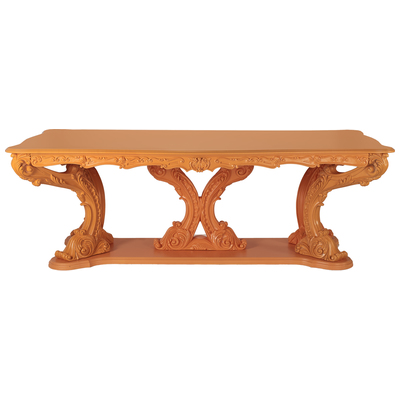
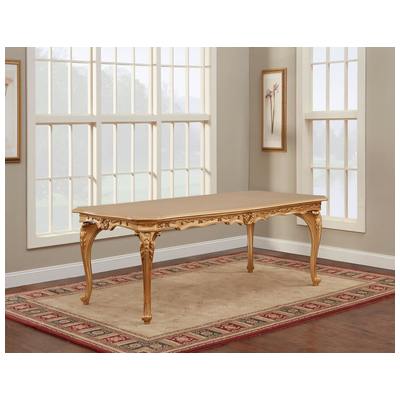
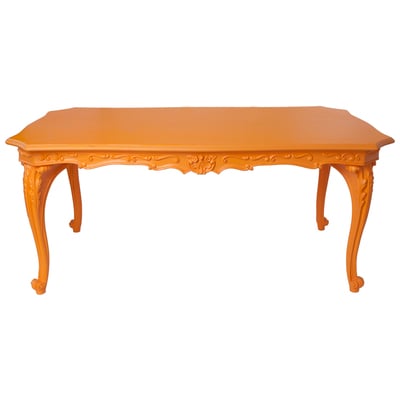
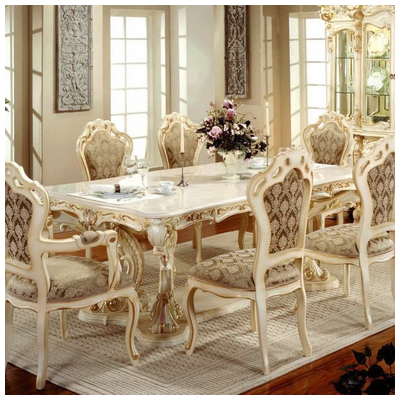
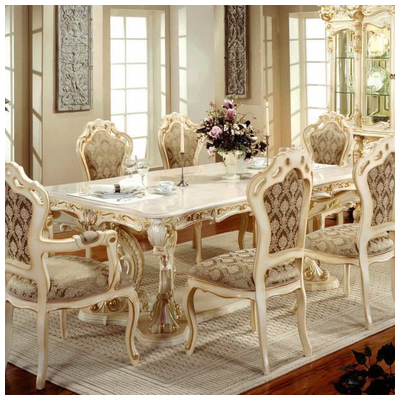
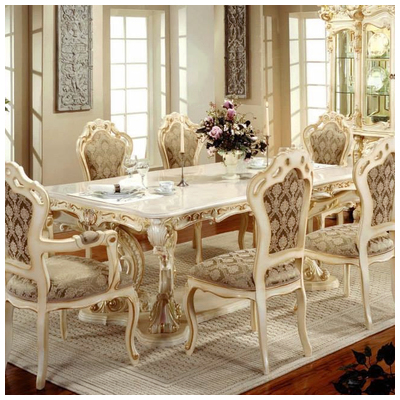
A Victorian dining table brings carved details, turned legs, and dark stained finishes that define 19th-century formal dining — a look that still anchors traditional and transitional homes today. Our dining table collection spans hundreds of silhouettes, from heavy pedestal bases with claw feet to extending banquet styles built for large family gatherings.
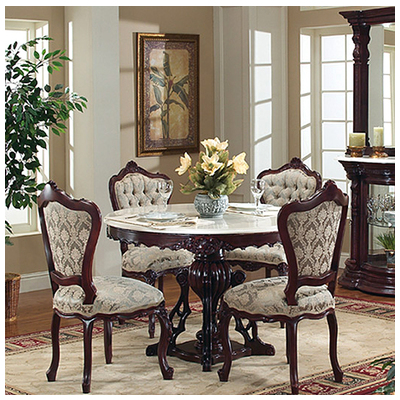
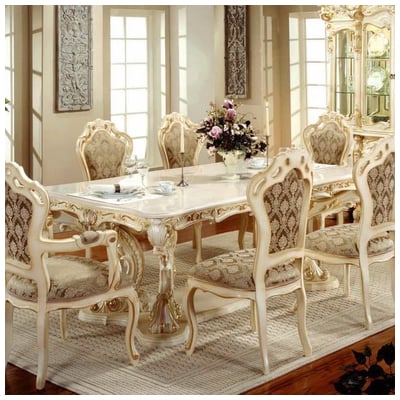
Victorian-inspired tables are typically built in mahogany, walnut, or dark-stained hardwood, with rectangular or oval tops that seat six to ten diners. If you want the full period look, pair the table with high-back upholstered chairs from our dining chair selection, or shop a coordinated dining set for matching seats out of the box.
To complete the formal layout, add a sideboard along the wall for storing china, linens, and serving pieces — a classic Victorian dining-room arrangement.
 FILTER BY







Frequently Asked Questions
What makes a dining table Victorian in style?
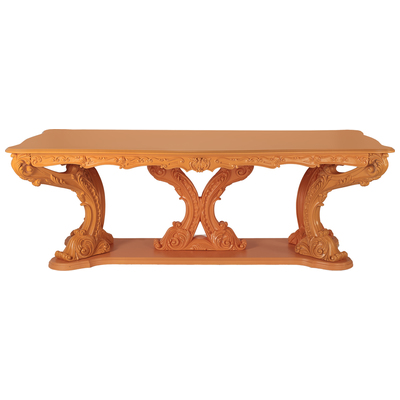
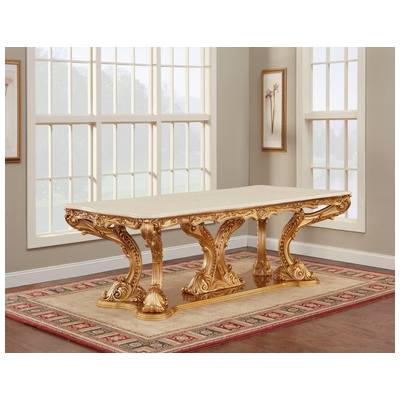
A Victorian dining table is defined by ornamentation rather than shape alone. Look for turned or carved legs, claw-and-ball feet, heavy pedestal bases, beveled or molded edges, and dark hardwood finishes like mahogany or walnut. Tops are typically rectangular or oval to seat formal dinner parties of six to twelve, often with extension leaves for holiday hosting.
What wood and finish are most authentic for a Victorian table?
Mahogany is the signature Victorian wood, prized for its deep reddish-brown color and ability to hold fine carving. Walnut is a close second, especially in American Victorian pieces. Finishes run from medium walnut to nearly black espresso, usually with a hand-rubbed or waxed sheen rather than high gloss. Avoid whitewash or natural Scandinavian tones — they break the period look.
How do I care for a carved Victorian dining table?
Carved legs and aprons collect dust quickly, so use a soft natural-bristle brush weekly to reach into grooves a cloth can't. Polish the top with a wax-based furniture polish every few months — silicone sprays can dull period finishes. Keep the table away from radiators and direct sun, which crack dark stains, and always use felt pads under serving dishes to protect the hand-rubbed surface.
How many people does a Victorian dining table seat?
Most Victorian tables were built for formal entertaining, so seating runs larger than modern designs. A 72-inch rectangular top seats 6–8, a 96-inch seats 8–10, and tables with two or three extension leaves can stretch past 120 inches to seat 12 or more. Oval tops in the same lengths seat one or two fewer because the rounded ends shorten the usable edge.
What chairs pair best with a Victorian dining table?
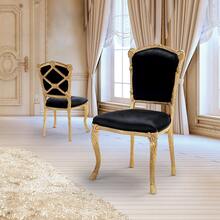
Period-correct pairings include balloon-back, shield-back, or high-back upholstered chairs in velvet or tufted leather, often with carved crests matching the table's apron. For a softer transitional look, pair the ornate table with simpler parsons or Queen Anne chairs to keep the room from feeling overly heavy. Browse our dining chair collection for coordinating options.