







































Sideboard Cabinets for the Dining Room
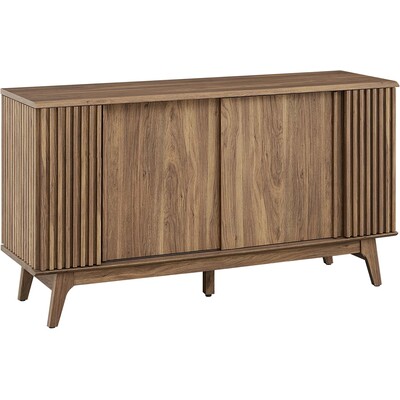
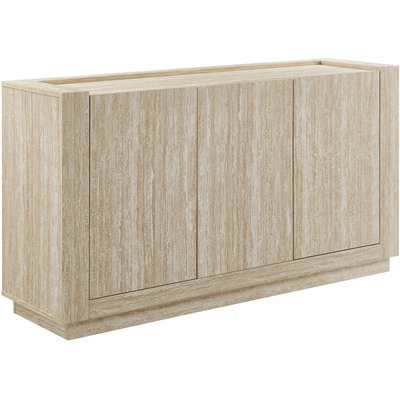
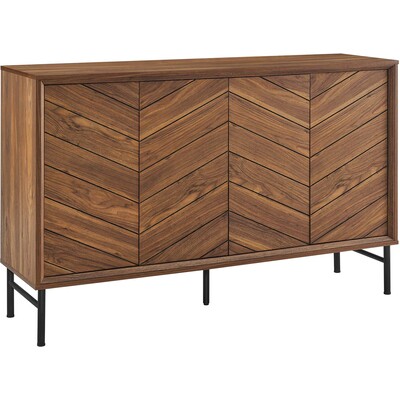
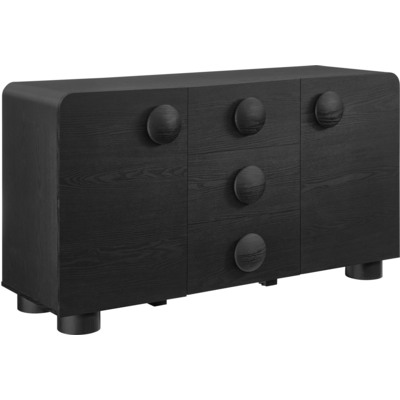
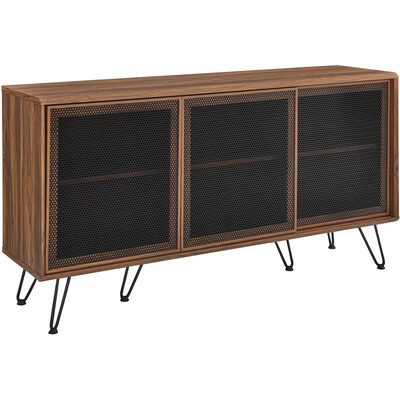
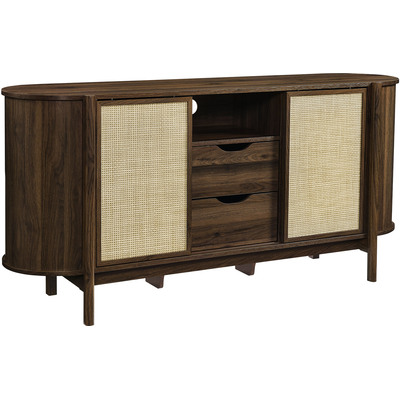
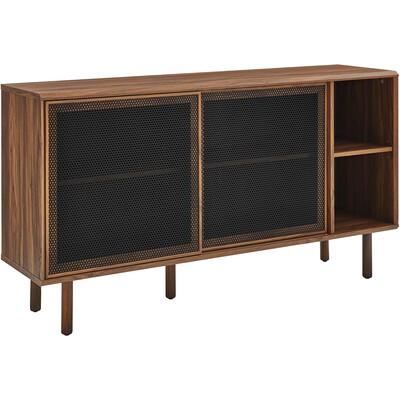
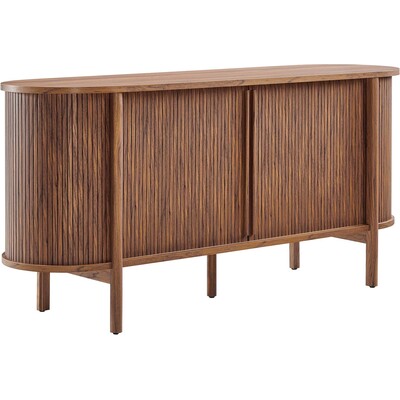
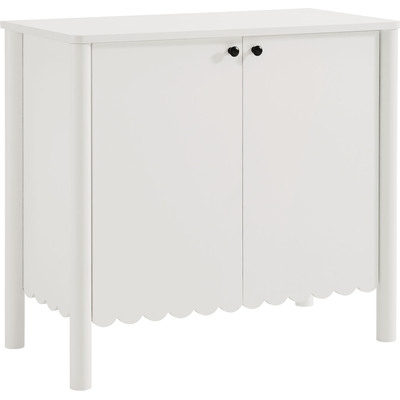
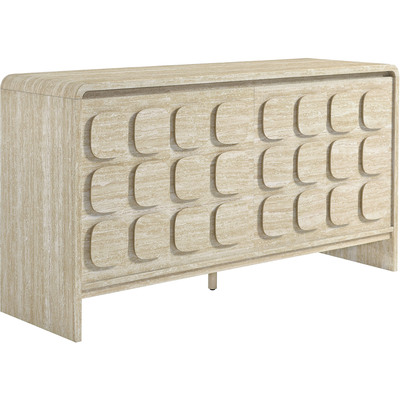
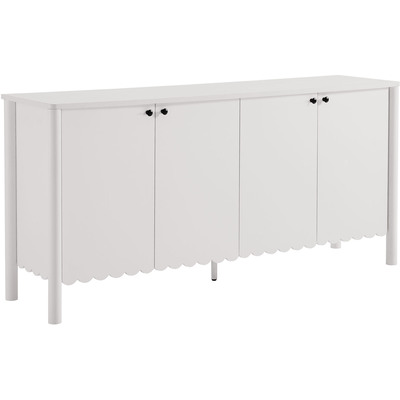
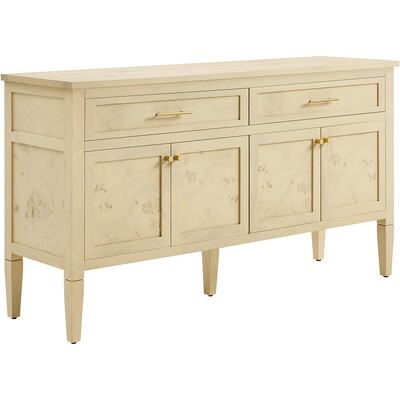
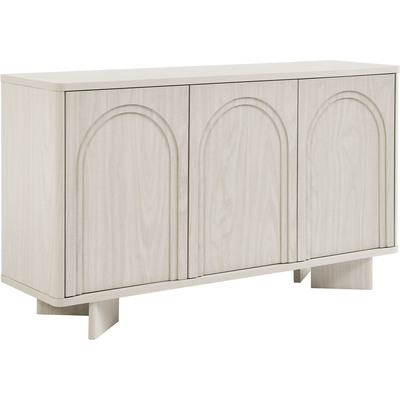
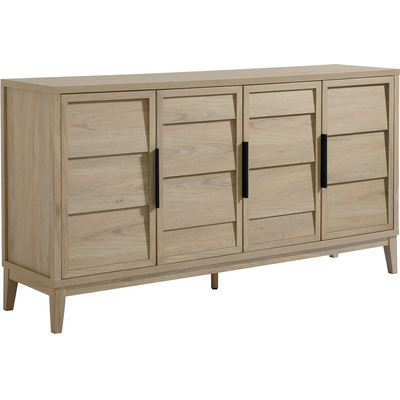
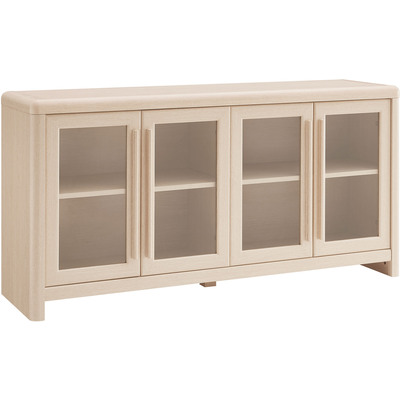
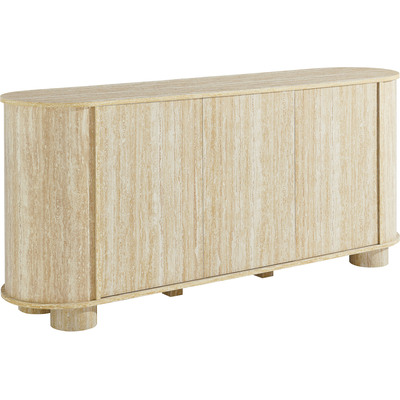
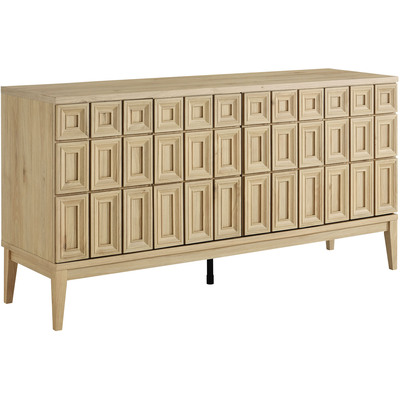
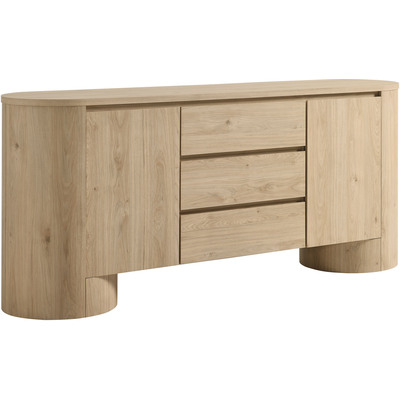
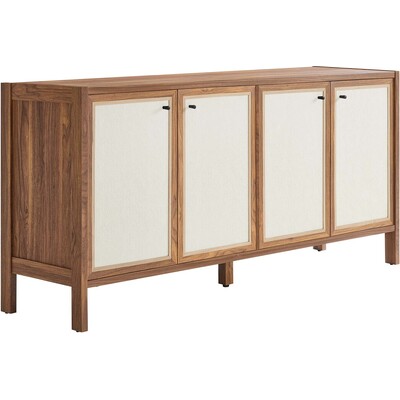
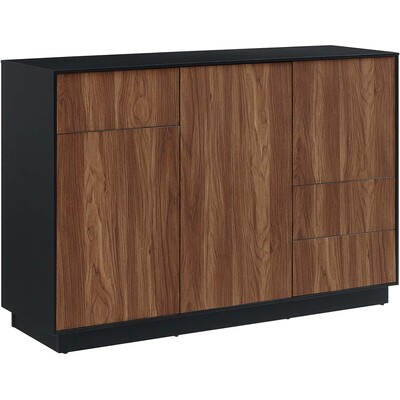
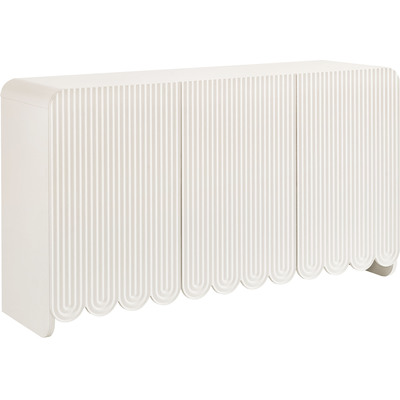
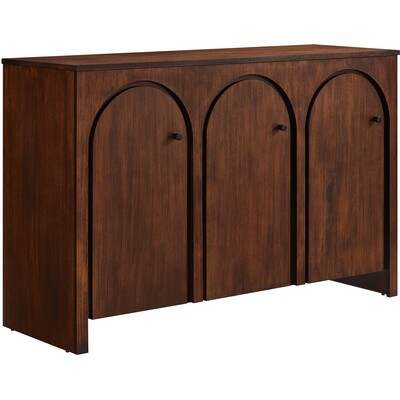
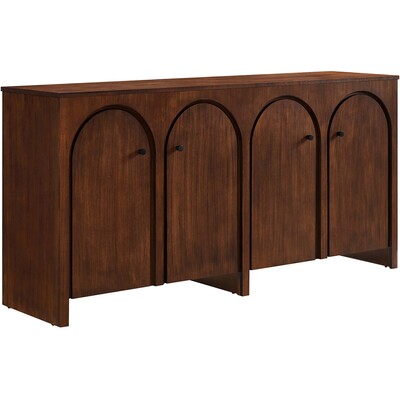
A sideboard cabinet solves the storage problem that every dining room eventually faces: where to put the extra flatware, table linens, serving platters, and seasonal dishware that don't fit in the kitchen. Long, low, and built to run along a wall, a sideboard puts drawers and cabinet doors below a flat top surface that doubles as a serving station during meals and a display ledge between them.
Browse the full sideboard collection here, or compare with a buffet cabinet if you want a taller, more formal serving piece. Sideboards typically run 32 to 38 inches tall and 18 to 24 inches deep, which keeps sightlines open across the room and leaves wall space above for art or a mirror.
Coordinate with the rest of your dining room furniture — a sideboard often picks up the wood tone of the dining table or contrasts intentionally with a mirrored or painted finish.
 FILTER BY

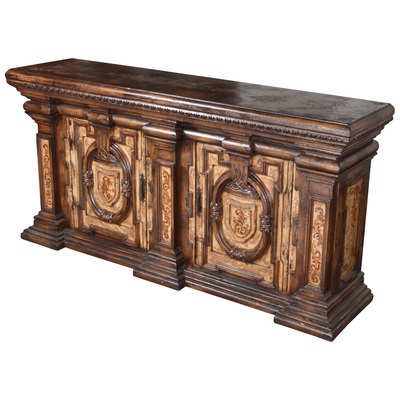
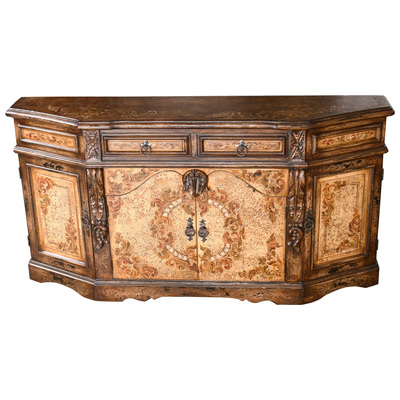
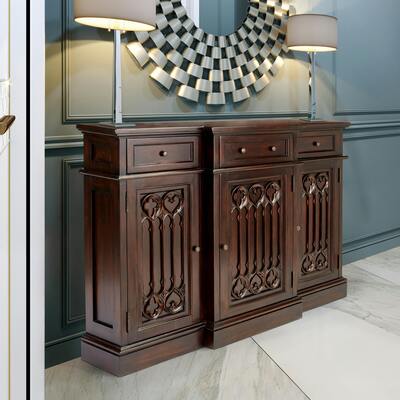
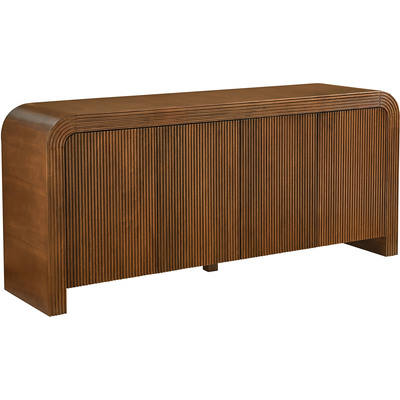
Frequently Asked Questions
What's the difference between a sideboard and a buffet?
A sideboard is lower (typically 32 to 38 inches tall) and longer, designed to sit against a dining-room wall as a permanent storage piece. A buffet is usually taller and often deeper, built as a dedicated serving station for formal meals. Sideboards work in casual and modern dining rooms; buffets suit traditional formal settings. Compare both in the buffet collection.
How much wall space do I need for a sideboard?
Most sideboards run 60 to 72 inches long, so plan on a minimum of 6 feet of clear wall, plus a few inches of breathing room on each side. Leave 12 to 18 inches between the sideboard and the dining table edge so guests can walk behind seated diners. If you plan to hang a mirror or art above, reserve 24 to 30 inches of wall height above the sideboard top.
Can a sideboard be used outside the dining room?
Yes — the long, low profile makes a sideboard one of the most flexible storage pieces in the house. Common uses include an entryway console for keys and mail, a living room media cabinet (most are deep enough to hide a soundbar and components), and a hallway display surface for lamps and framed photos. Just confirm cable management is workable if you plan to put electronics inside.
How do I protect the sideboard top during serving?
The top sees more wear than people expect — hot serving dishes, condensation rings from drink pitchers, and wine spills. Use a linen runner or felt-backed mat under serving platters, and keep coasters within reach. For wood-topped sideboards, polish quarterly and wipe spills immediately. Mirrored and gloss tops show every fingerprint and water mark, so plan to wipe them down after every use.
Should the sideboard match my dining table exactly?
It doesn't need to match exactly, and many designers prefer it doesn't. The safer approach is to pick up one element from the table — the wood tone, the leg style, or a metal accent — and let the rest contrast. A walnut table can pair with a walnut sideboard, but it can also pair with a painted, mirrored, or black sideboard for a layered look. Browse coordinating dining tables to compare finishes.