






























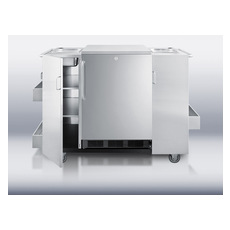




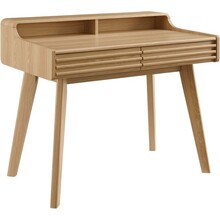




Dining Room Buffet Cabinets
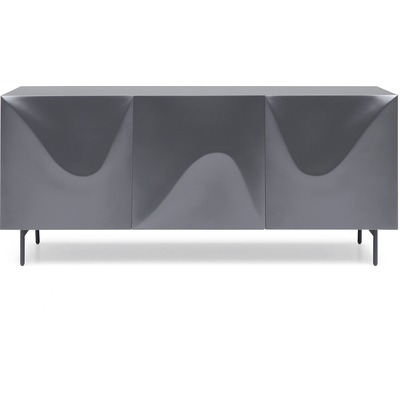
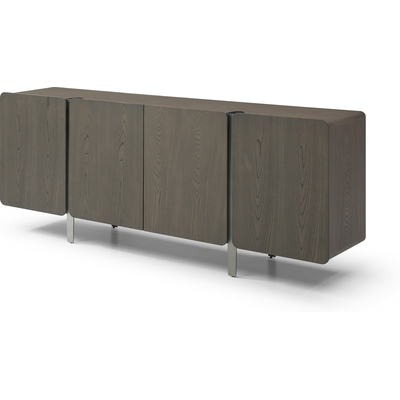
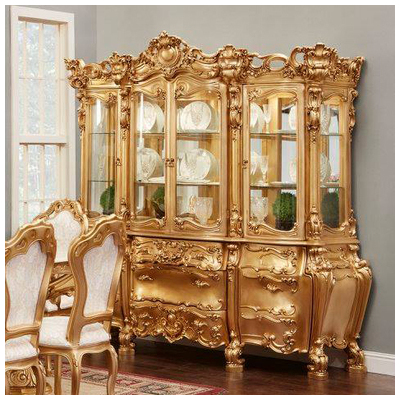
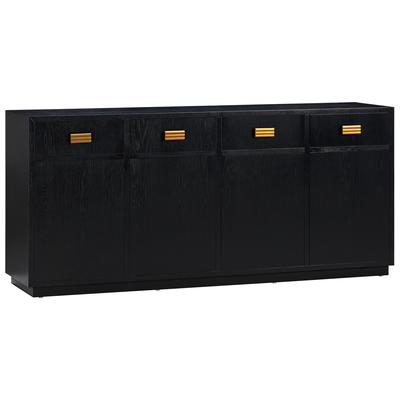
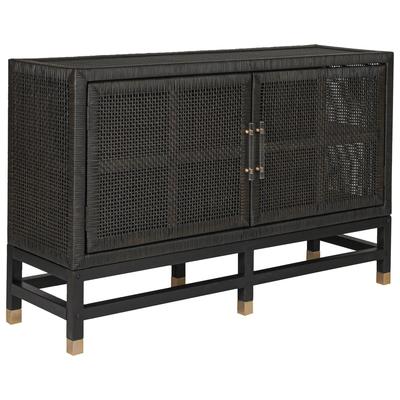
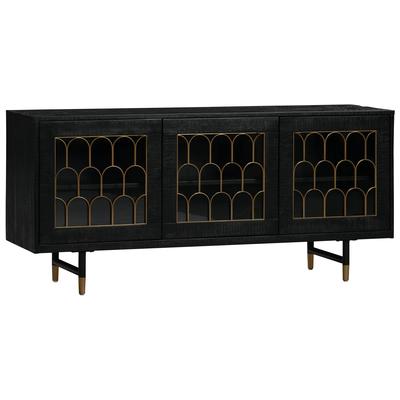
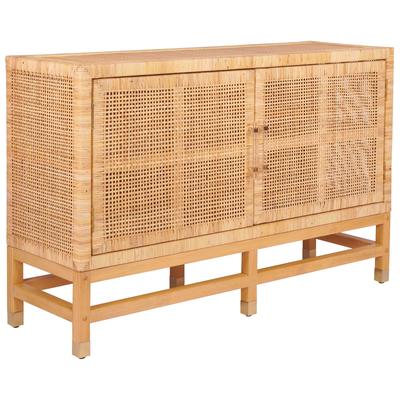
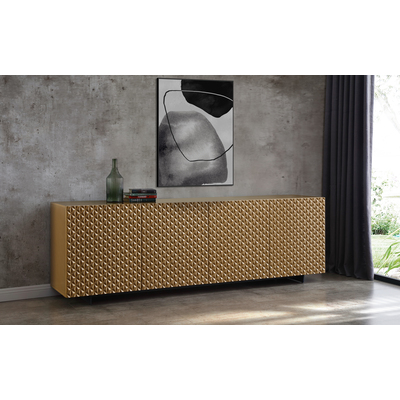
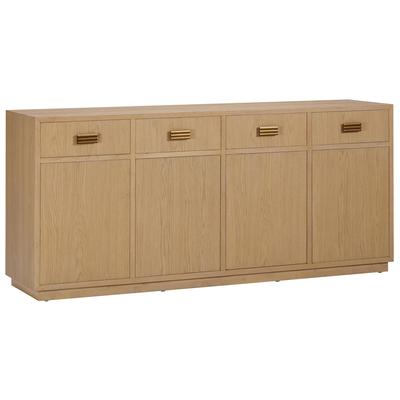
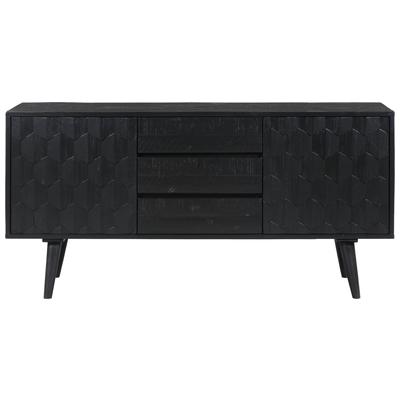
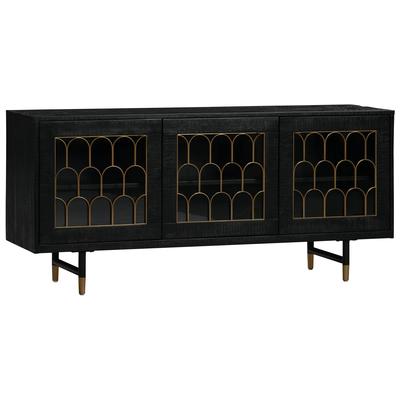
A buffet cabinet is the workhorse of a host-friendly dining room — taller than a sideboard, built to function as a standing serving station while guests fill their plates and circulate. The 32-to-38-inch counter height keeps platters, chafing dishes, and carving boards at a comfortable reaching level, while the cabinet below stores linens, chargers, and the serving pieces you only pull out for holidays.
Unlike a low sideboard, a buffet is built for vertical access — you load and unload it while standing, not stooping. That makes it the go-to piece for formal dining rooms, Thanksgiving and holiday hosting, and any household that entertains buffet-style rather than plated. Pair it with your dining table and chairs, or shop a coordinated dining room collection to match wood tones across all pieces.
 FILTER BY







Frequently Asked Questions
What's the difference between a buffet and a sideboard?
A buffet is taller (typically 36-38 inches) and built for standing service — you plate and carve from it during a meal. A sideboard is lower (30-34 inches), reads more like a console, and is used mainly for storage and display. Buffets often have hutches or open tops added; sideboards rarely do. Choose a buffet if you host plated holidays; choose a sideboard if you mostly need dining-room storage.
How much space do I need to put a buffet behind dining chairs?
Plan for at least 36 inches between the back edge of a pulled-out dining chair and the front of the buffet, and 42-48 inches if guests will be serving themselves there during the meal. Because a buffet is tall, that clearance also keeps elbows and chair backs from scraping cabinet doors and drawer pulls every time someone sits down or stands up.
Can I put hot serving dishes directly on a buffet?
Not on raw or oiled wood — chafing dishes and platters straight from a 350°F oven will lift the finish and leave permanent white rings. Use a buffet runner, felt pads, or trivets under every hot dish. Sealed lacquer, faux marble, glass, and stone tops handle heat better but still benefit from a protective layer during a long serving stretch.
What should I store inside a buffet versus a kitchen cabinet?
Reserve the buffet for items you use at the dining table: cloth napkins and runners, chargers, candlesticks, serving platters, gravy boats, wine glasses, and decanters. Keep everyday plates, mugs, and cookware in the kitchen. The point of a buffet is to cut steps between the kitchen and a seated meal — if you're walking back to the kitchen for napkins mid-dinner, the buffet isn't earning its footprint.
What goes on top of a buffet when it's not in use?
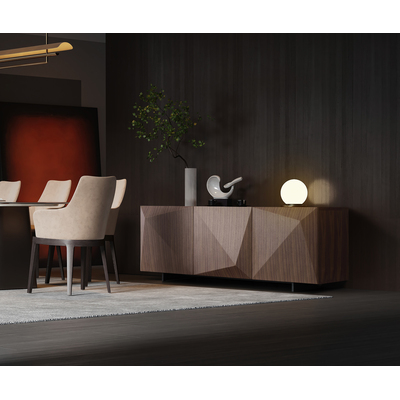
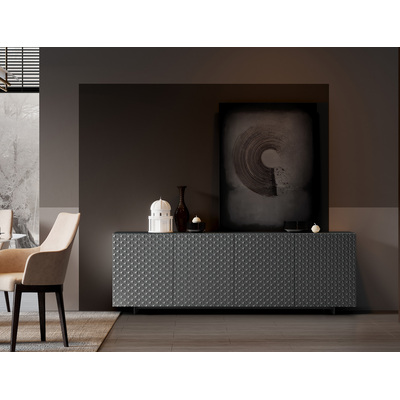
Between meals, treat the buffet top as a display surface anchored by a lamp or pair of lamps, a framed mirror or artwork above, and a low centerpiece (tray with candlesticks, a footed bowl, or a stack of cookbooks). Keep the styling under 12 inches tall in the center so it clears easily when you need the surface back for serving.