












































Ceramic Bathroom Sinks
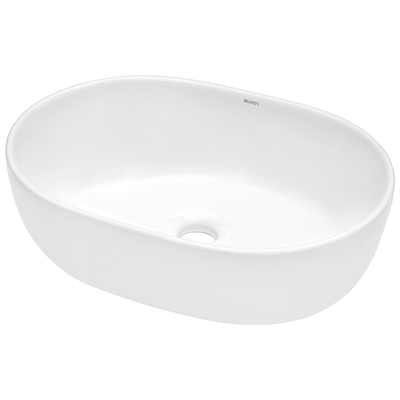
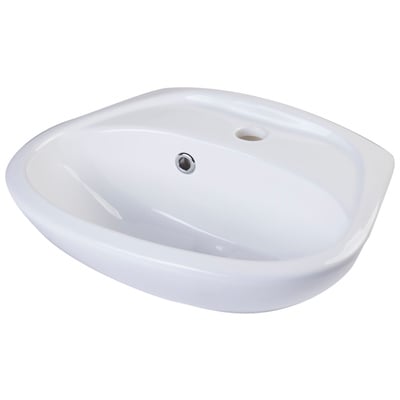
Ceramic bathroom sinks remain the most popular basin choice in American homes thanks to their fired-clay durability and glossy glazed surface that resists staining from soap, toothpaste, and hard water. The kiln-fired glaze creates a non-porous shell that wipes clean with mild dish soap — no sealing required, unlike natural stone basins.
Compared to denser porcelain sinks, ceramic is lighter and more affordable, making it an easy fit for both renovation budgets and standard 30–32 inch vanity counters. The trade-off: the glaze is slightly thinner, so dropped curling irons or heavy bottles can chip the rim over years of use.
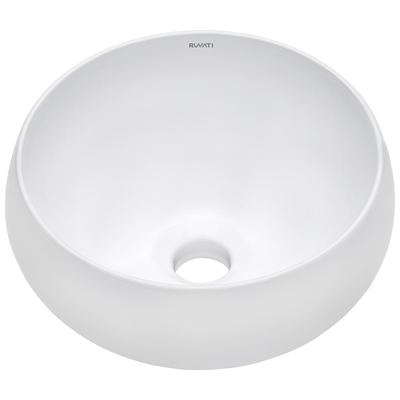
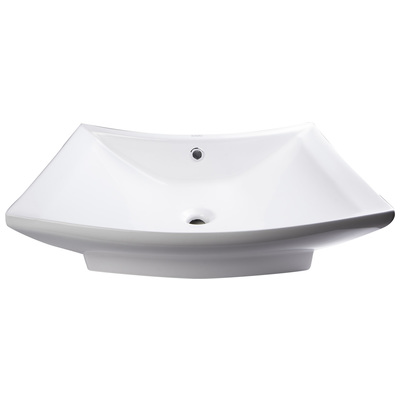
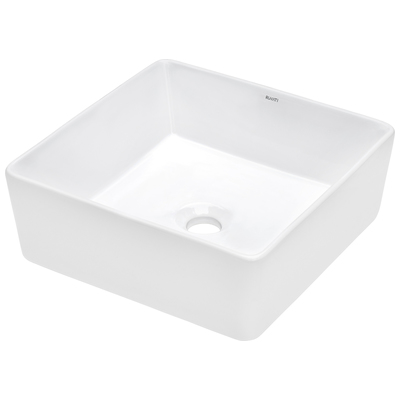
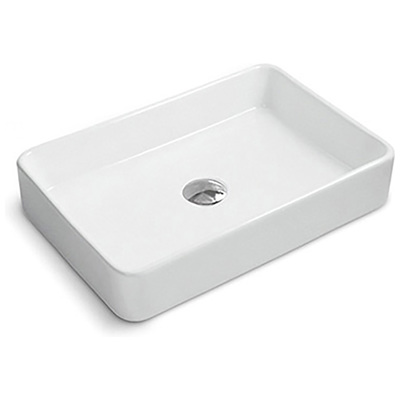
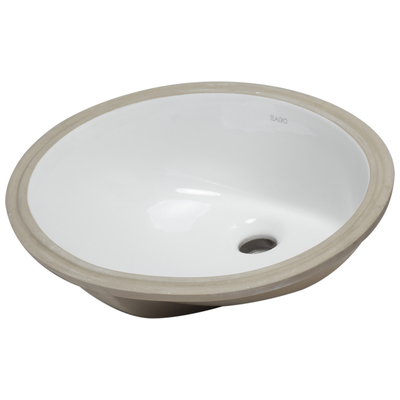
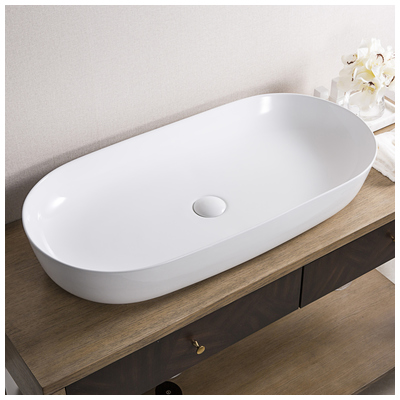
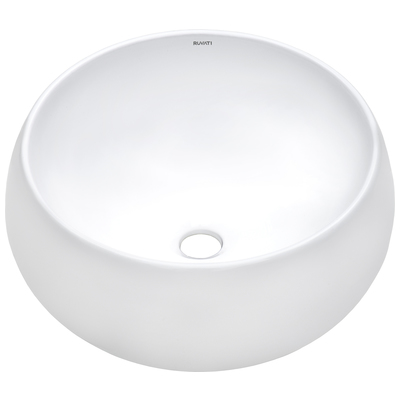
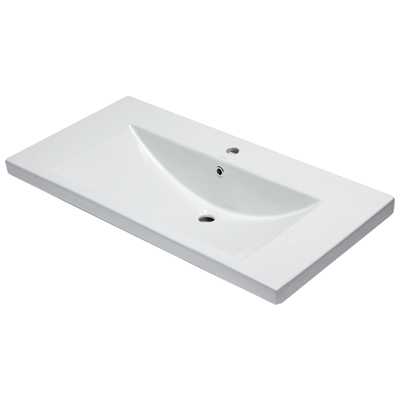
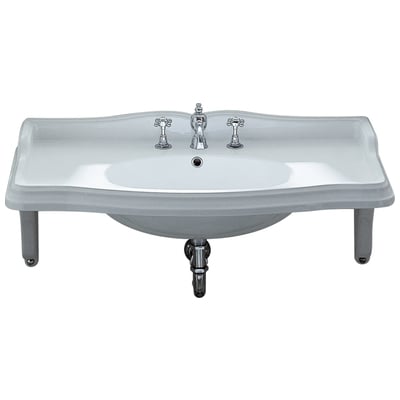
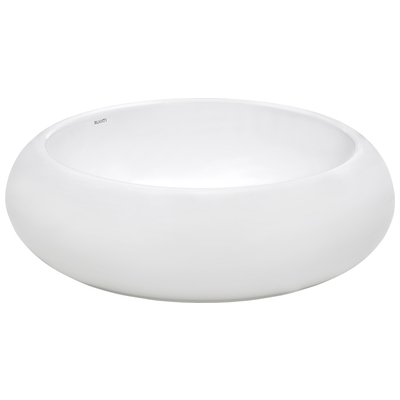
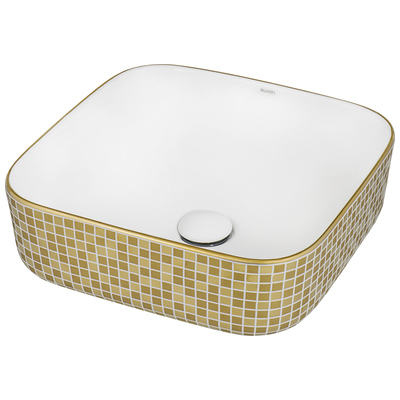
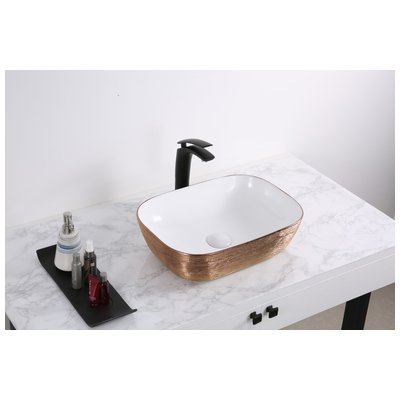
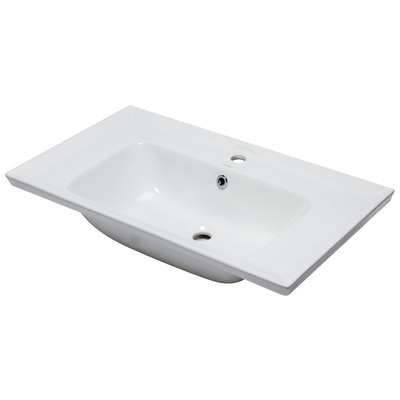
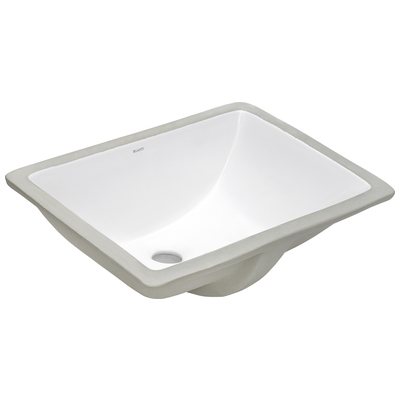
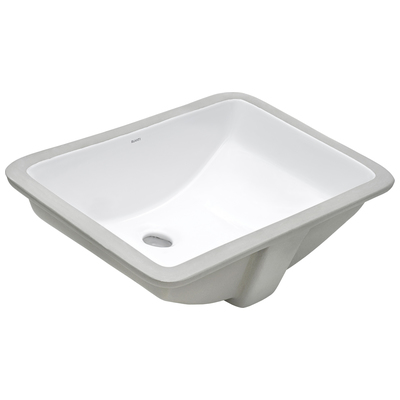
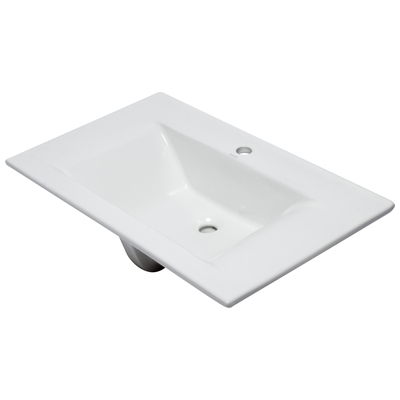
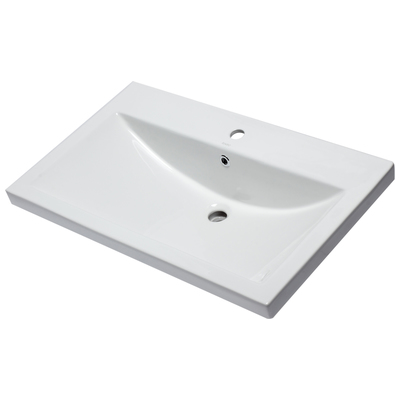
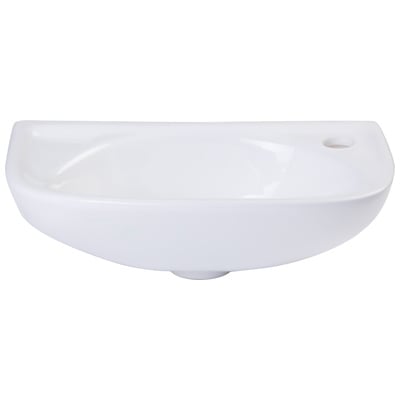
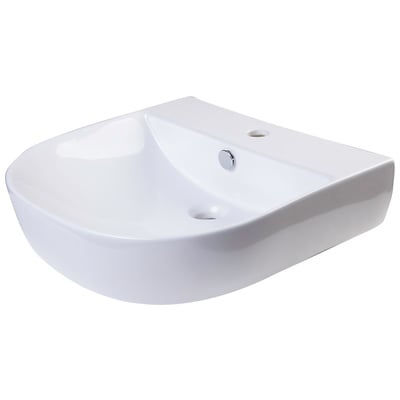
Browse this collection to compare ceramic vessel sinks that sit above the counter and ceramic undermount basins for a flush, modern look. All options ship with manufacturer cutout templates for clean installation.
 FILTER BY

















Frequently Asked Questions
Can a chipped ceramic sink be repaired?
Yes — small chips on a ceramic sink rim or basin can be filled with a two-part porcelain/ceramic repair epoxy color-matched to the glaze, available at most hardware stores. The patch restores the waterproof seal but won't perfectly match the kiln-fired glaze sheen up close. For chips larger than a quarter, replacement is more practical than repair.
Will hard water stain a ceramic bathroom sink?
The fired glaze on ceramic is non-porous, so hard water minerals don't penetrate the surface — but they can leave visible white scale rings around the drain and faucet base if water sits. Wipe the basin dry after use, or apply a weekly vinegar-and-water solution (1:1) to dissolve calcium buildup. Avoid abrasive pads, which dull the glaze over time.
Is ceramic or porcelain better for a bathroom sink?
Porcelain is denser and slightly more chip-resistant because it's fired at higher temperatures with finer clay, but it costs more and weighs more. Ceramic is lighter, more affordable, and available in more decorative shapes — ideal for vessel sinks and powder rooms. For a heavily used primary bathroom, porcelain edges out; for guest baths and budget remodels, ceramic is the smart pick.
What faucet finishes pair best with a white ceramic sink?
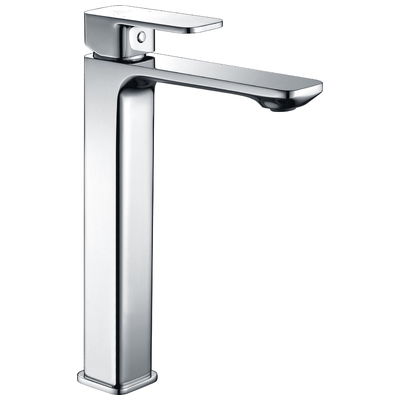
Glossy white ceramic is a neutral backdrop that works with nearly any finish, but the strongest pairings are polished chrome and brushed nickel for traditional baths, matte black for modern farmhouse, and brushed gold or champagne bronze for transitional and glam designs. Avoid mixing more than two metal finishes in the same bathroom to keep the look intentional.
Do ceramic sinks crack from hot water?
Standard bathroom hot water (around 120°F) won't crack a properly fired ceramic basin — the material handles routine temperature shifts. However, extreme thermal shock (boiling water poured into a cold basin, for example) can cause the glaze to craze or the body to crack. This is rarely a concern in bathroom use, where water temperatures are regulated by the faucet's mixing valve.