








































Natural Stone Bathroom Sinks
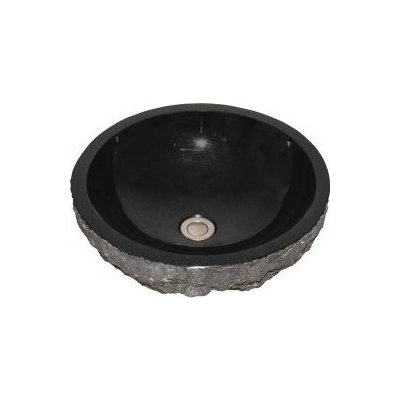
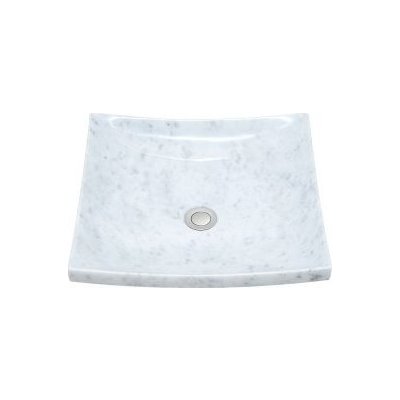
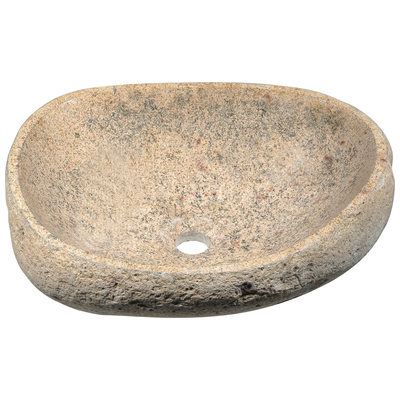
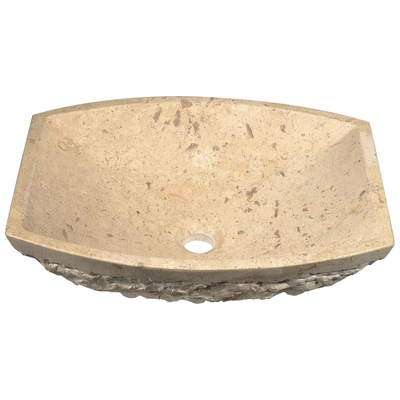
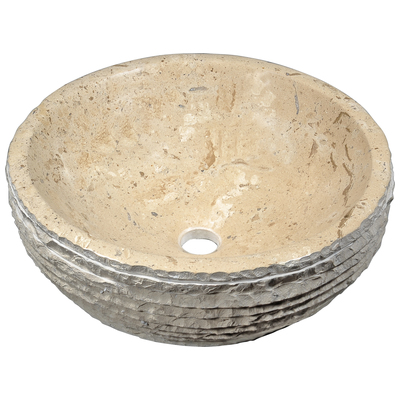
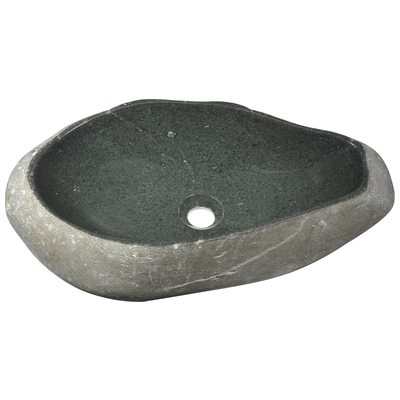
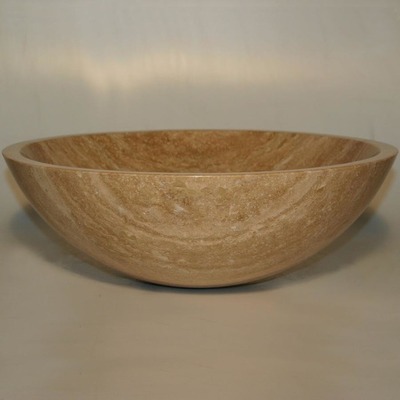
Natural stone bathroom sinks bring geological character into the vanity area — every basin is cut from a unique block of marble, granite, travertine, onyx, or river stone, so no two pieces share the same veining, color depth, or fossil pattern. That uniqueness is the whole point: instead of the uniform glaze of ceramic basins or the predictable clarity of glass vessels, stone gives you a sink with mineral history baked in.
Stone is also heavier and more demanding than other materials. A marble vessel can weigh 25–40 lbs, and a hand-carved river stone basin can push past 60 lbs, so countertop support and reinforced mounting matter. In return, you get a surface that ages gracefully and feels cool and substantial under the hand.
Browse the full bathroom sink collection or narrow to natural stone vessel sinks for above-counter installs.
 FILTER BY









Frequently Asked Questions
Do natural stone sinks need to be sealed?
Yes — sealing is essential for any porous stone. Marble and travertine should be resealed every 6–12 months; denser granite can go 1–2 years. Use a penetrating impregnating sealer made for natural stone, not a topical wax. Without sealing, water rings, soap, and toothpaste will absorb into the stone and leave permanent dark spots.
Will a marble sink etch from toothpaste and soap?
Marble etches on contact with acids, including many toothpastes, mouthwashes, and citrus-based hand soaps. Etching is a dull spot where the surface has been chemically eaten — different from a stain. Rinse the basin after each use, choose pH-neutral soaps, and keep a microfiber cloth nearby. For high-use master baths, granite or basalt is more forgiving than marble.
How heavy is a natural stone sink and will my vanity support it?
Stone sinks typically weigh 25–60 lbs, far more than ceramic or glass. A hand-carved river stone basin can exceed 70 lbs when wet. Confirm your countertop is solid surface, quartz, granite, or reinforced plywood — laminate alone won't hold up. For wall-mount stone basins, install blocking between studs before drywall goes up.
Why does my stone sink look different from the product photo?
Because every block of stone is unique. Veining direction, color saturation, and fossil inclusions vary from piece to piece — that's the defining trait of natural stone, not a defect. Marble photos show one slab; yours will share the family character but never match exactly. Travertine and onyx vary even more dramatically than marble.
What faucet works best with a natural stone vessel sink?
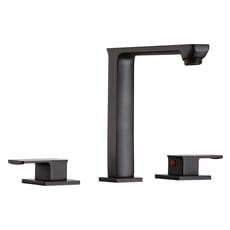
Stone vessels sit 5–6 inches above the counter, so you need a tall vessel-style faucet (typically 11–14 inches) or a wall-mounted spout. Standard 4-inch centerset faucets will splash water onto the counter and won't reach over the rim. Match the faucet finish to the stone tone — brushed brass and oil-rubbed bronze pair warmly with travertine; chrome and matte black sharpen marble's contrast.