


















































Porcelain Bathroom Sinks
Porcelain bathroom sinks are fired at higher temperatures than standard ceramic, producing a denser body with a smoother, less porous glaze. That extra firing translates to better resistance against toothpaste staining, hard water etching, and the surface micro-cracks that show up on cheaper basins after a few years of daily use.
Because porcelain is heavier than ceramic, it feels noticeably more solid in vessel and pedestal applications — but you'll want to confirm your countertop or wall blocking can handle the load before installing. Compare options across our full bathroom sink collection, or look at related materials like ceramic and natural stone.
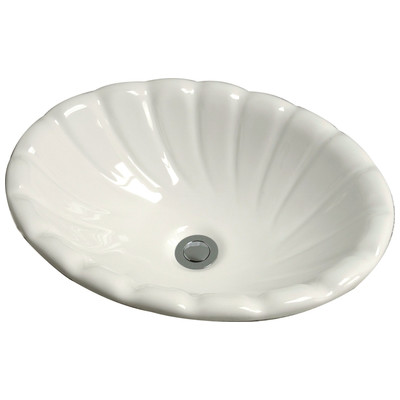
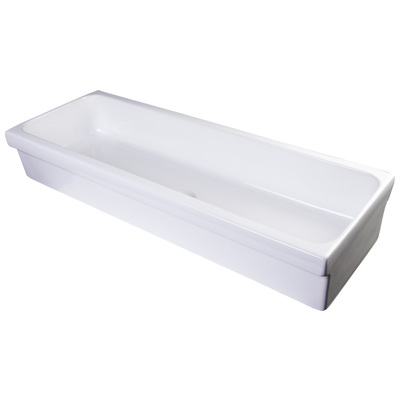
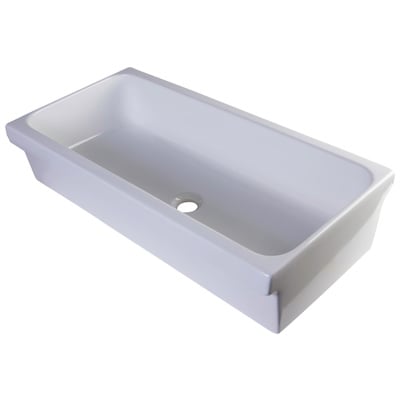
Browse over 60 porcelain sinks in vessel, undermount, drop-in, and wall-mounted configurations, with finishes ranging from classic white to deep blue and gold-accented decorative basins.
 FILTER BY




Frequently Asked Questions
What's the actual difference between porcelain and ceramic sinks?
Both start as clay, but porcelain is fired at 2,200-2,600°F versus around 1,800°F for standard ceramic. The higher temperature vitrifies the body, making it denser and less porous. The result: porcelain absorbs almost no water (under 0.5%), resists staining from toothpaste and cosmetics better, and is less prone to surface crazing over time. Ceramic is lighter and cheaper; porcelain is heavier and more durable.
Will a porcelain sink chip if I drop a heavy bottle in it?
Porcelain is harder than ceramic but the glaze layer can still chip from sharp impacts — a dropped perfume bottle or cologne flask is a common culprit. The good news: because porcelain is glazed all the way through (not just on top), small chips are less visible than on ceramic. For deeper damage, porcelain repair kits with color-matched epoxy work well for cosmetic fixes.
How do I clean a porcelain bathroom sink without dulling the glaze?
Stick with mild dish soap and a soft cloth or non-scratch sponge for daily cleaning. For hard water spots, use a 50/50 white vinegar solution and rinse thoroughly. Avoid abrasive powders like Comet, steel wool, and bleach-based scrubs — these will gradually etch the glaze and create a hazy surface that traps more grime. Magic Erasers are safe for occasional stubborn marks.
Can porcelain sinks be repaired if they crack?
Hairline cracks in the glaze can be sealed with two-part porcelain epoxy, which is widely available and color-matchable. Structural cracks through the body, however, are not reliably repairable — water seepage will eventually compromise the patch. If a crack reaches the drain or a mounting point, replacement is the safer option, especially for vessel and undermount installations where a leak damages the vanity below.
Do porcelain sinks come in colors besides white?
Yes — while white remains the most popular, porcelain accepts a wide range of fired-in pigments and decorative glazes. Our collection includes black, blue, gray, gold-accented, and hand-painted decorative basins. Because the color is sealed under the vitrified glaze, it won't fade from sunlight or cleaning chemicals the way painted finishes can. Decorative porcelain vessels are particularly popular for powder rooms.