










































Undermount Bathroom Sinks for Stone Counters
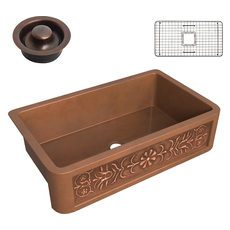
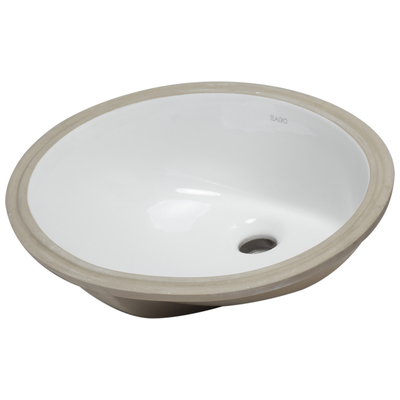
Undermount bathroom sinks install beneath the countertop, leaving a clean stone or quartz edge around the basin with no visible rim to trap toothpaste, soap, or grit. Because the counter overhangs the basin, you can wipe water and debris straight into the sink with a sponge — a small detail that makes daily cleanup faster than a vessel sink or drop-in.
This mounting style requires a solid-surface counter (granite, quartz, marble, or solid surface) thick enough to support the bonded weight — laminate counters cannot be used. The basin is held in place with epoxy and metal clips screwed into the underside of the slab, so accurate cutout templating is essential.
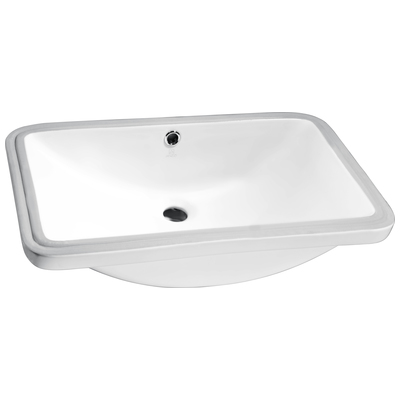
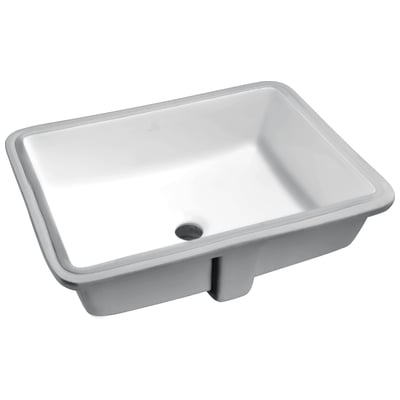
Browse the full bathroom sink collection, or narrow the search to rectangular undermount sinks for a sharp modern look or ceramic undermount sinks for a budget-friendly classic finish.
 FILTER BY





Frequently Asked Questions
Can an undermount bathroom sink be installed in a laminate or tile countertop?
No. Undermount sinks rely on epoxy and clips bonded to the underside of a solid slab — granite, quartz, marble, or solid surface. Laminate counters have a particleboard core that absorbs water at the cut edge and cannot support the basin weight. Tile counters have grout lines that leak. If your counter is laminate or tile, choose a drop-in or vessel sink instead.
How are undermount sinks attached to the counter?
Installers apply a continuous bead of two-part epoxy to the basin rim, lift it against the underside of the slab, and secure it with metal clips anchored into threaded inserts or studs on the counter underside. Silicone alone is not sufficient — the epoxy carries the structural load while a thin silicone bead seals the seam against water intrusion.
What is the difference between positive, zero, and negative reveal?
Positive reveal means the counter cutout is smaller than the basin opening, so a sliver of the sink rim shows. Zero reveal aligns the cutout exactly with the basin for a flush look. Negative reveal makes the cutout larger, so the counter overhangs into the basin — the cleanest look but the hardest to fabricate, since any misalignment is visible.
Where do faucet holes go on an undermount sink installation?
Faucet holes are drilled into the countertop behind the sink, not the sink itself, since the basin sits below the counter surface. This gives you flexibility on faucet spread (single-hole, 4-inch centerset, or 8-inch widespread) and lets you center the faucet over the drain regardless of basin shape. Decide on the faucet model before the counter is fabricated.
Can I replace a drop-in sink with an undermount sink in the same counter?
Usually not without replacing the counter. Drop-in cutouts are sized for the sink rim to rest on top, so the opening is smaller than the basin. Undermount installation requires a different cutout shape, polished cut edges, and clip anchor points on the underside — work that has to be done before the slab is installed. Plan the mounting type before fabrication.