






































Stainless Steel Kitchen Sinks
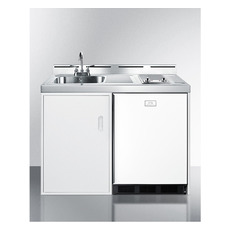
Stainless steel kitchen sinks remain the most installed sink type in American kitchens because the alloy resists rust, handles heavy daily use, and costs less than fireclay or copper at comparable sizes. The two specs that matter most are gauge thickness (16-gauge is thicker and quieter than 18 or 20) and sound dampening — premium models add rubber pads or a spray-on undercoat to muffle the metallic ring when dishes hit the basin.
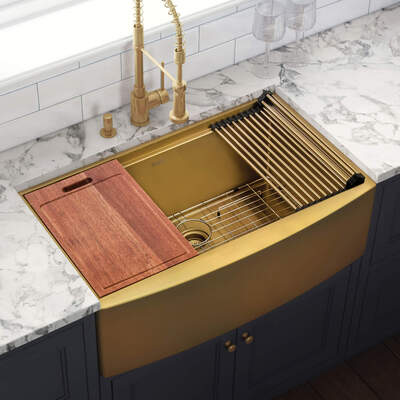
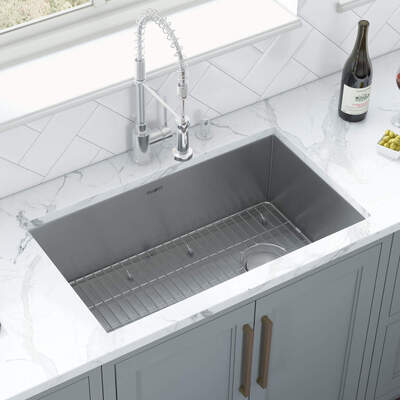
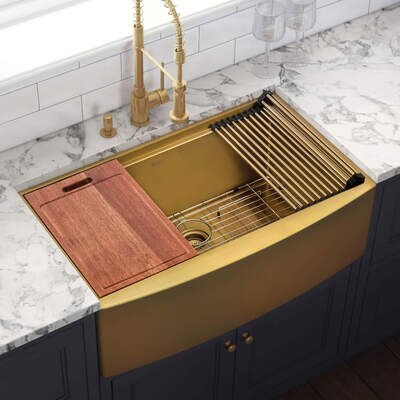
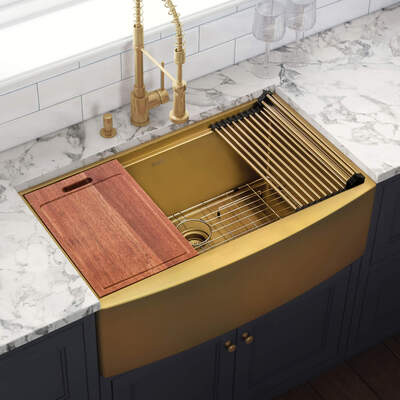
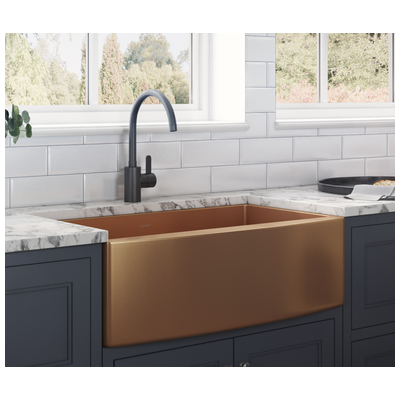
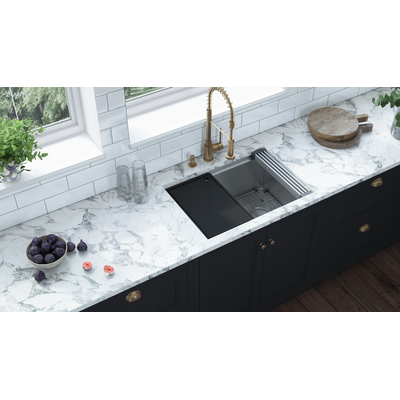
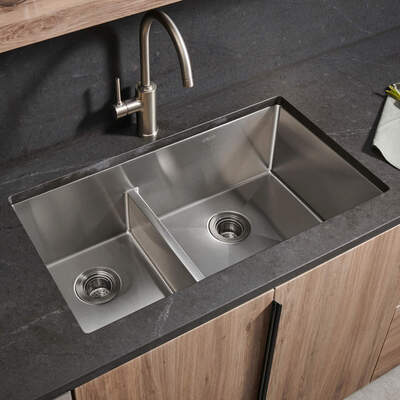
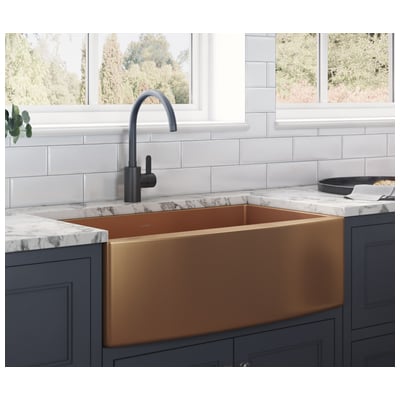
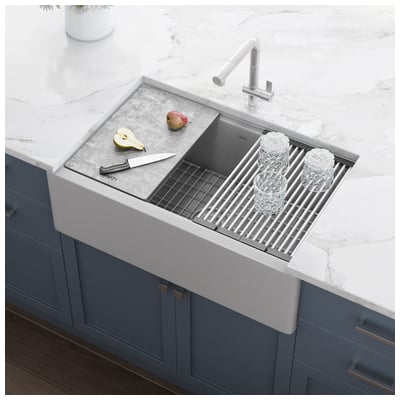
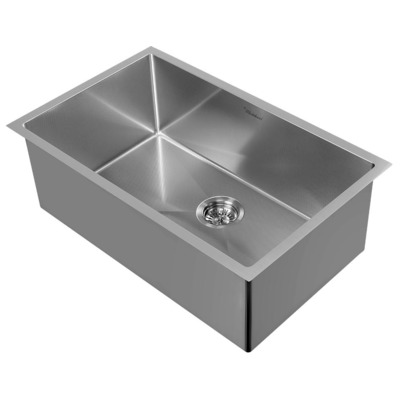
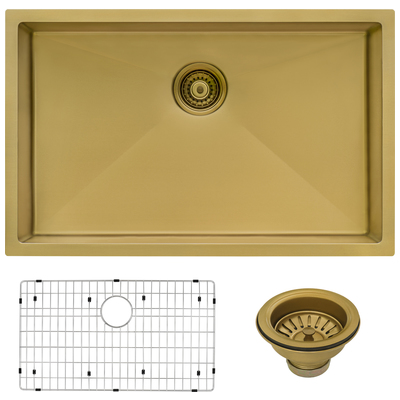
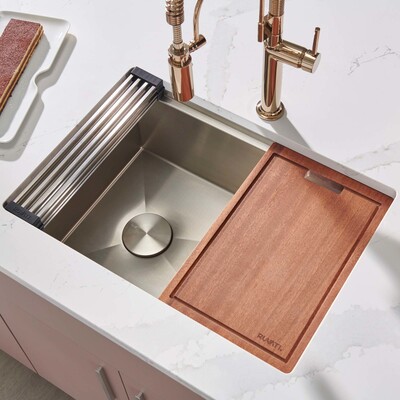
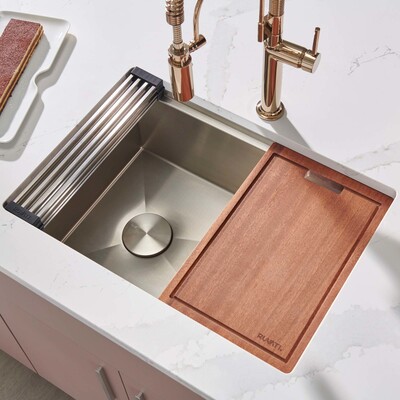
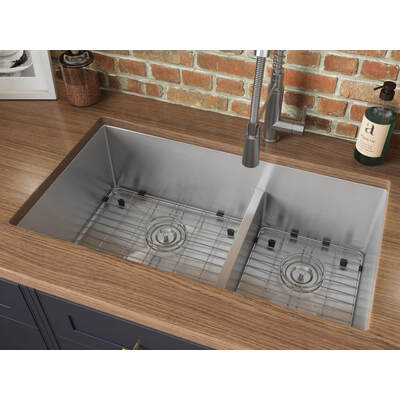
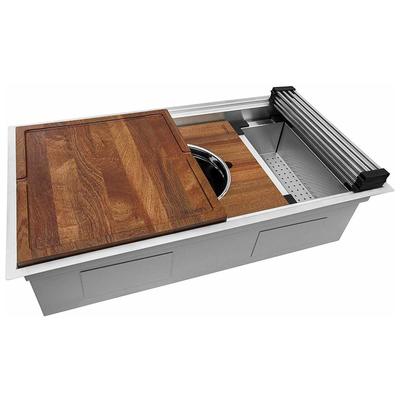
Stainless is also the most flexible material for mount type. Browse stainless steel undermount sinks for a seamless look with quartz or granite counters, or shop stainless steel farmhouse sinks if you want an apron front without the weight of fireclay.
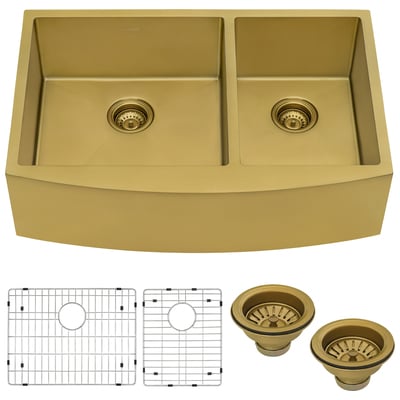
Prefer a different finish? Compare fireclay, granite composite, or all kitchen sinks.
 FILTER BY





















Frequently Asked Questions
What gauge stainless steel is best for a kitchen sink?
16-gauge is the thickest and quietest grade commonly sold for home kitchens, and it resists denting from heavy cookware. 18-gauge is the standard for mid-range sinks and performs well with proper sound pads. Skip 20- or 22-gauge — the metal flexes under a full pot of water and amplifies clanging dishes.
Will a stainless steel sink scratch or rust?
Stainless steel scratches with daily use, but a brushed or satin finish blends minor marks into the grain so they disappear within weeks. True rust is rare on 304-grade stainless — orange spots are usually iron deposits from cast iron pans or steel wool, which wipe off with a stainless cleaner. Never leave wet steel wool pads in the basin.
How do I keep a stainless steel sink looking new?
Wipe the basin dry after use to prevent hard water spots, which are the main complaint with stainless. Clean with dish soap or a dedicated stainless cleaner, always wiping with the grain. Avoid bleach (it pits the surface), abrasive powders, and steel wool. A weekly polish with a few drops of mineral oil restores the sheen.
Are stainless steel sinks loud?
They can be, but modern sinks solve this with sound dampening pads and a sprayed undercoat. Look for coverage on at least 70% of the underside and a published sound rating if available. Pairing a 16-gauge basin with full pads makes stainless nearly as quiet as fireclay or composite at a much lower price.
Does a stainless steel sink need a special cabinet?
No. Stainless is the lightest sink material, so a standard 36-inch base cabinet supports any 30 to 33 inch sink without reinforcement — unlike fireclay, which requires bracing. For undermount installation you still need a solid surface countertop like quartz or granite, since laminate cannot support an undermount clip system.