










































Fireclay Kitchen Sinks for Every Kitchen Style
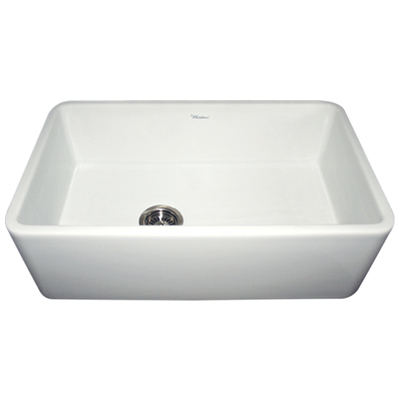
Fireclay kitchen sinks are made by molding ceramic clay and firing it at temperatures above 2,000°F, fusing a thick enamel glaze directly into the body. The result is a non-porous surface that resists chipping, staining, and scratching far better than cast iron with a porcelain coating. Unlike stainless steel sinks, fireclay won't dent and naturally dampens water and disposal noise without sound pads.
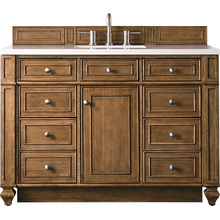
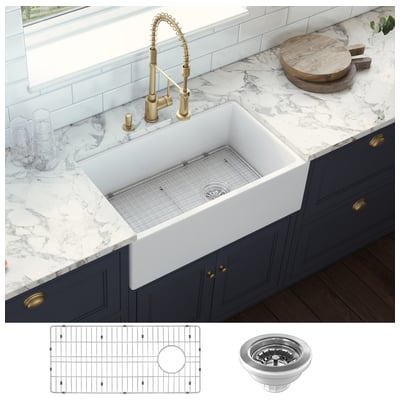
Fireclay sinks are heavy — typically 100 to 200 pounds — so the supporting kitchen sink cabinet usually needs reinforcement, especially for apron-front farmhouse models. The trade-off is a sink that often outlasts the kitchen it's installed in.
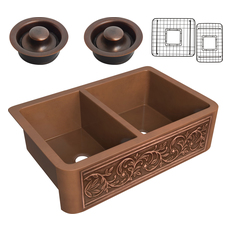
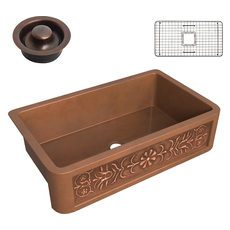
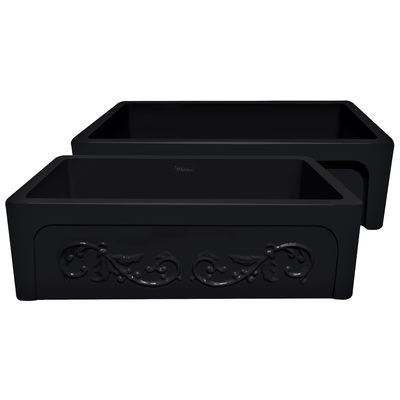
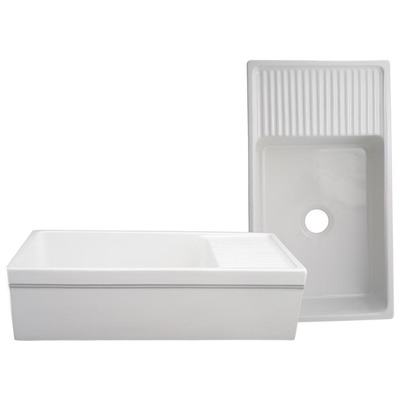
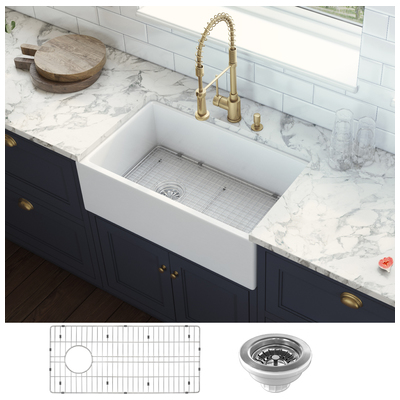
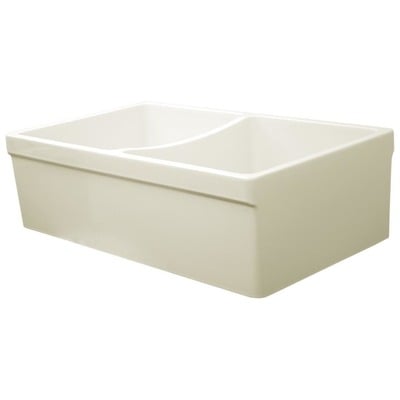
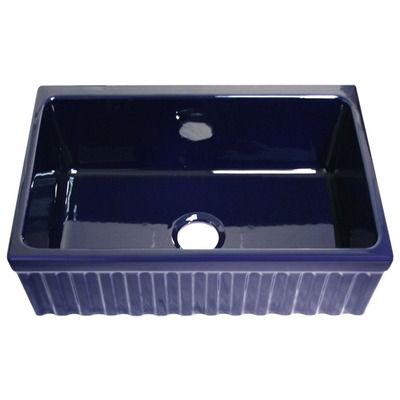
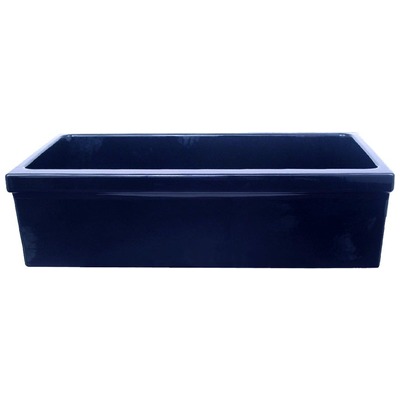
Browse fireclay options in white, biscuit, black, blue, and matte finishes, or compare against granite composite and copper sinks to find the right fit for your kitchen.
 FILTER BY

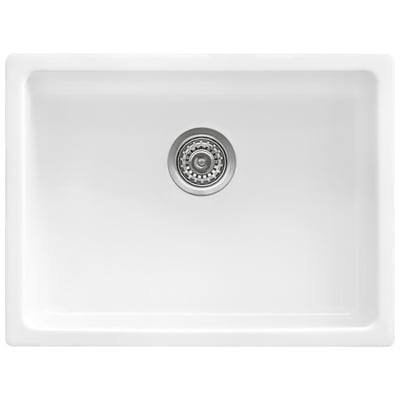

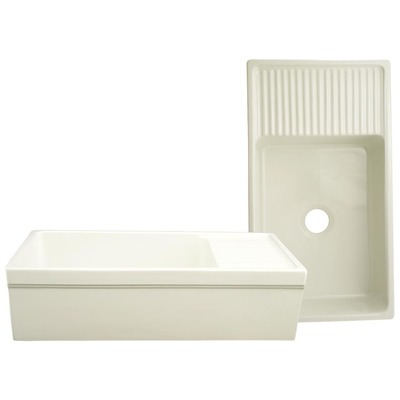


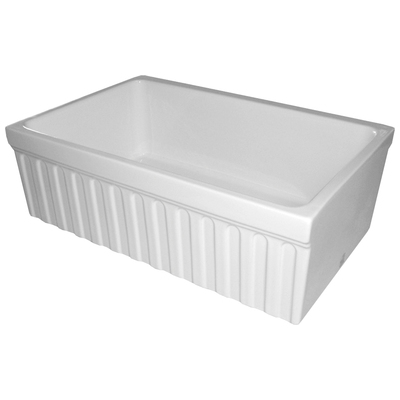
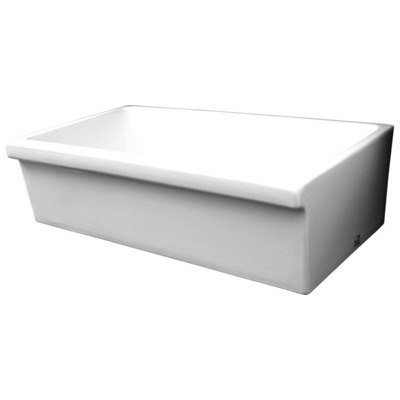









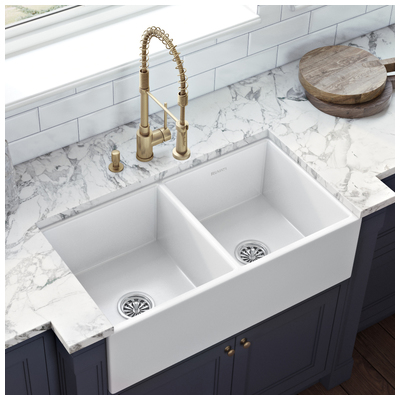
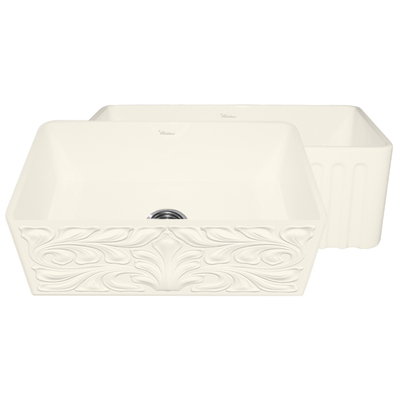

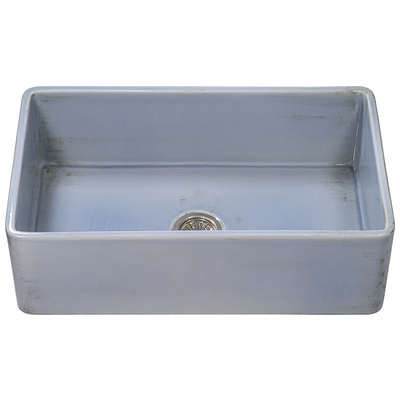
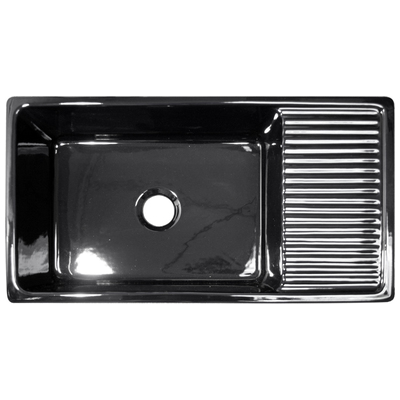







Frequently Asked Questions
Will a fireclay sink chip or crack?
Fireclay's vitrified glaze is fused into the clay body at over 2,000°F, making it significantly harder than the porcelain enamel on cast iron sinks. Dropping a heavy cast-iron pan can still cause a chip at the rim, but everyday dishware won't damage it. Hairline crazing in the glaze is rare with quality fireclay and is usually covered under manufacturer warranties.
How do you clean a fireclay sink without dulling the glaze?
Use non-abrasive cleaners like Bar Keepers Friend Soft Cleanser, dish soap, or a baking soda paste. Avoid steel wool, scouring pads, and bleach-based cleaners — they can etch the glaze over time. For metal marks left by pots, a Magic Eraser or a paste of baking soda and water lifts them without scratching.
Does a fireclay farmhouse sink need a special cabinet?
Yes. Fireclay farmhouse sinks weigh 100–200 pounds empty, so the base cabinet needs reinforced supports — typically plywood rails or a dedicated farmhouse sink base with the front cut out for the apron. The cabinet should be 3 inches wider than the sink, and the floor of the cabinet must be built up to position the sink at the correct height relative to the countertop.
Is fireclay better than cast iron for a kitchen sink?
Fireclay is generally more chip-resistant because the glaze is fused into the clay rather than coated onto metal. Cast iron porcelain enamel can chip down to the iron substrate, which then rusts. Fireclay also weighs less than cast iron of the same size and offers better color stability — it won't yellow from UV or harsh cleaners over time.
Can I install an undermount fireclay sink?
Yes, but it requires a solid stone or quartz countertop and heavy-duty mounting brackets rated for 150+ pounds. Most fabricators recommend a sink-setter system or steel support rods anchored to the cabinet, since silicone alone can't safely hold a fireclay sink long-term. Apron-front and drop-in installations are more forgiving and more common for fireclay.