

















































Antique Farmhouse Kitchen Sinks with Apron Fronts
An antique farmhouse kitchen sink brings the deep basin and exposed apron front of a 19th-century scullery into a working modern kitchen. Unlike drop-in or undermount styles, the apron sits proud of the cabinet face, which means the sink itself becomes a focal point — and the cabinet base needs a custom cutout to receive it.
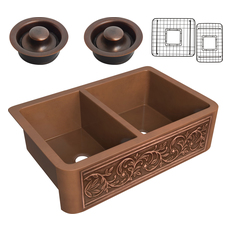
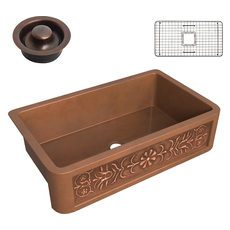
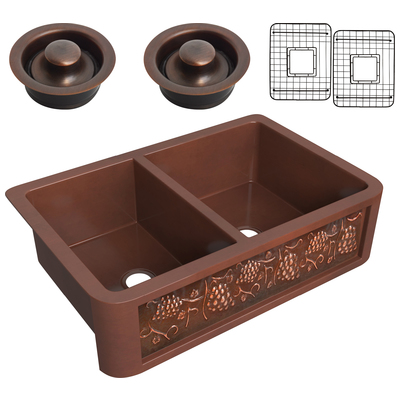
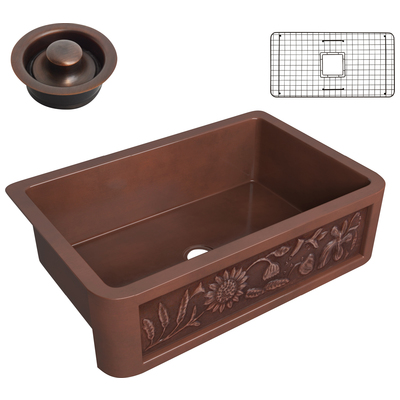
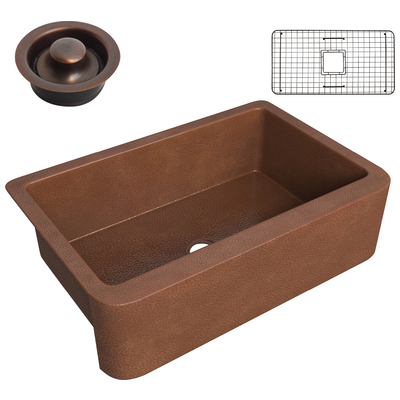
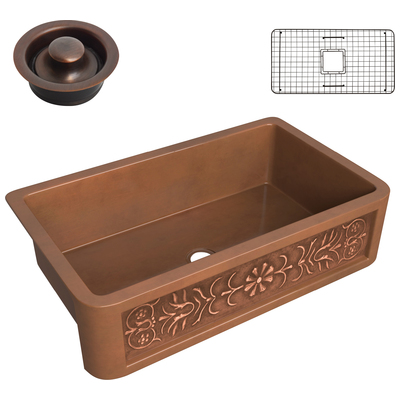
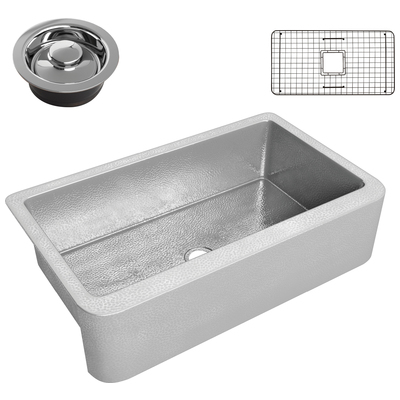
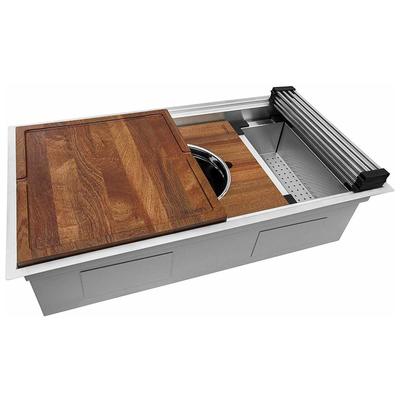
This collection covers hammered copper basins that develop a living patina, glossy stainless steel farmhouse sinks with brushed finishes, and heavy fireclay models with the chip-resistant glaze that defines the antique look. Many include decorative aprons — fluted, hammered, or arched — that you won't find on flush undermount sinks or budget apron-front variants.
Browse the full kitchen sink catalog or filter by material below to match your cabinet and faucet finish.
 FILTER BY










Frequently Asked Questions
Does an antique farmhouse sink require a custom cabinet?
Yes. The cabinet face must be cut to expose the apron, and the base needs reinforced plywood support to hold the sink's weight when full. Stock cabinets sold as "sink base" cabinets won't work without modification. Many cabinet manufacturers offer dedicated farmhouse sink bases with the apron cutout pre-built and a recessed top rail.
What's the difference between an antique farmhouse sink and a regular apron-front sink?
Antique farmhouse sinks feature decorative aprons — hammered copper, fluted fireclay, or arched stainless — that mimic 1800s scullery basins. Standard apron-front sinks have a flat, plain face. Antique versions also tend to be deeper (9 to 10 inches) and use heritage materials like fireclay or solid copper rather than thin stamped steel.
How do I clean an antique copper or fireclay farmhouse sink?
For copper, use only mild soap and water — no bleach, no abrasives, no acidic foods left sitting, since these strip the patina. For fireclay, the vitreous glaze handles bar keeper's friend and most household cleaners, but avoid steel wool. Both materials should be dried after use to prevent water spots, especially in hard-water regions.
What faucet height works with a deep farmhouse sink?
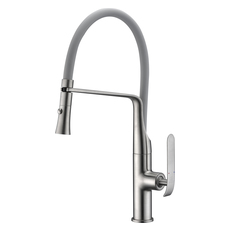
Plan on a gooseneck or articulating faucet at least 8 to 10 inches tall from the deck. Antique farmhouse basins are typically 9 to 10 inches deep, and a short faucet leaves no room to wash a sheet pan or fill a stockpot. Bridge faucets and wall-mount faucets in unlacquered brass or oil-rubbed bronze pair well with the vintage style.
Can I install a farmhouse sink in an existing kitchen without replacing cabinets?
Sometimes, but plan for carpentry. The existing sink-base cabinet needs the face frame cut to receive the apron, and the countertop must be re-cut or replaced because farmhouse sinks set at a different height than drop-ins. If your countertop is stone or quartz, expect to replace it — laminate can be re-cut but rarely looks clean at the apron seam.