












































Apron Front Kitchen Sinks
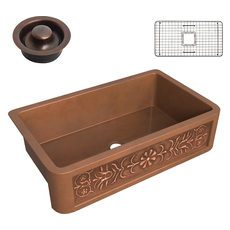
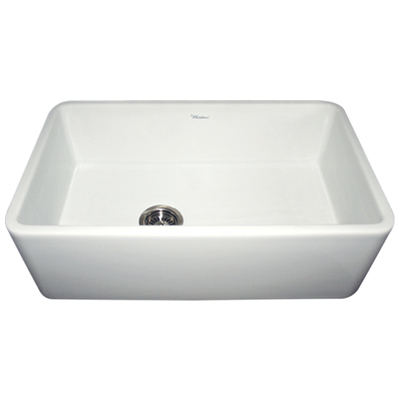
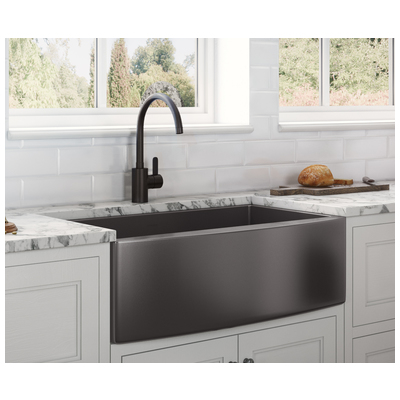
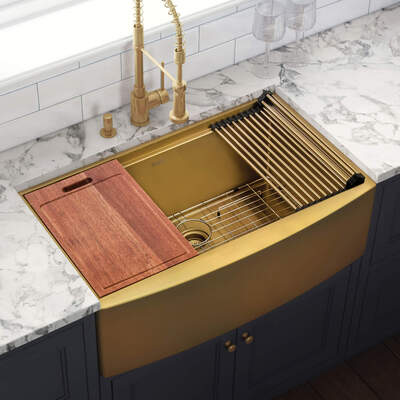
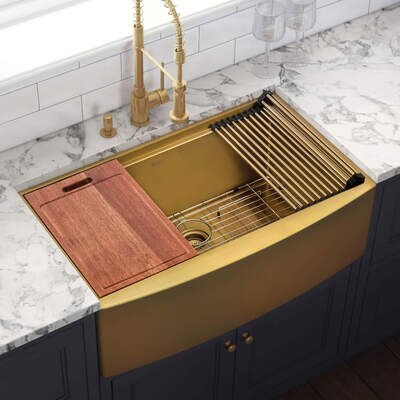
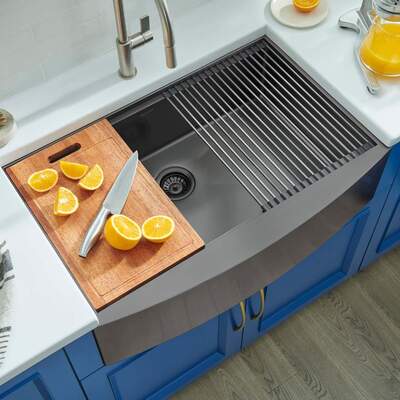
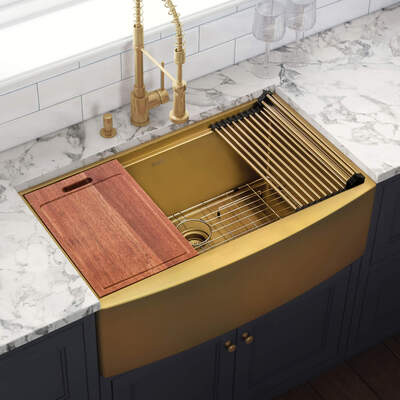
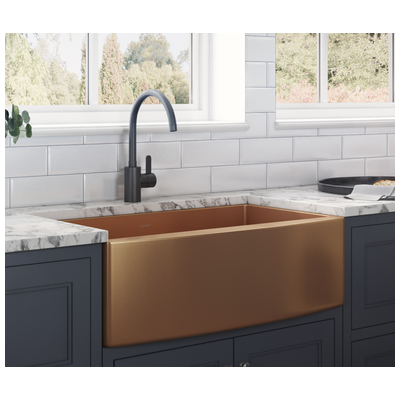
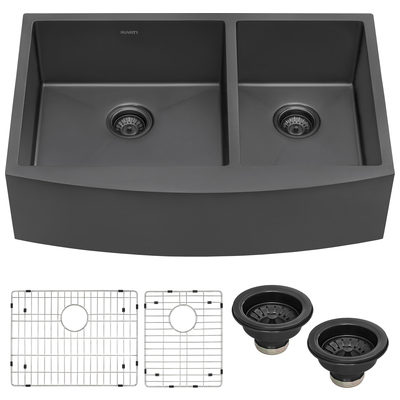
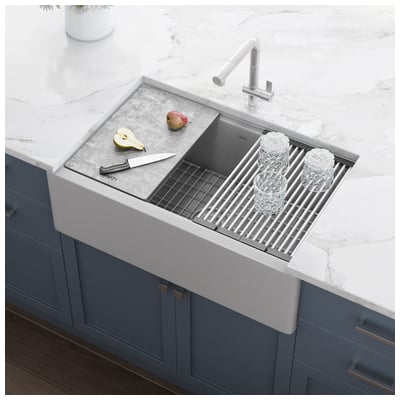
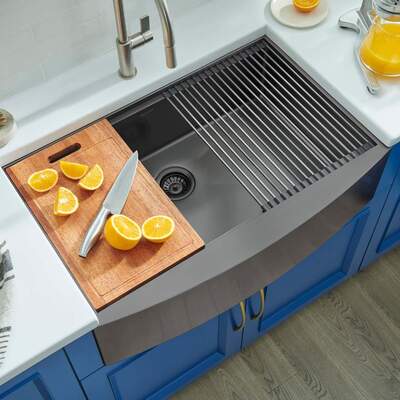
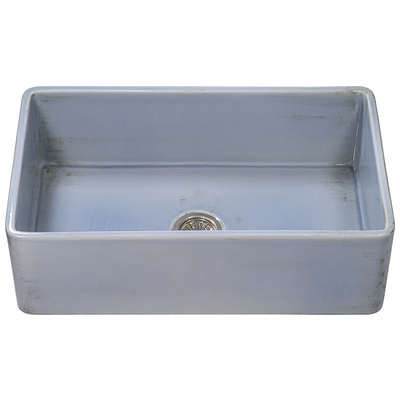
An apron front sink features an exposed front panel that extends past the cabinet face, replacing the standard cabinet door area with the sink itself. This forward-facing design moves the basin closer to the cook, reducing the lean over the counter that tires your back during long prep and dish sessions.
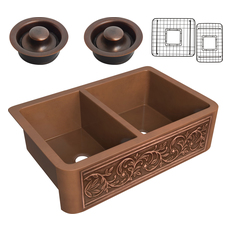
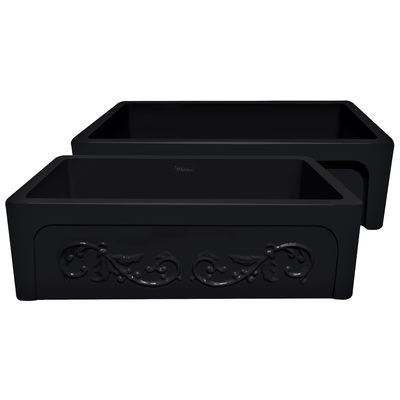
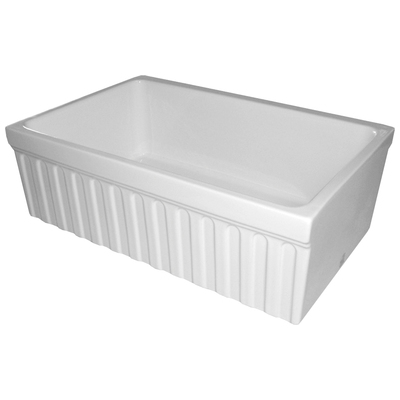
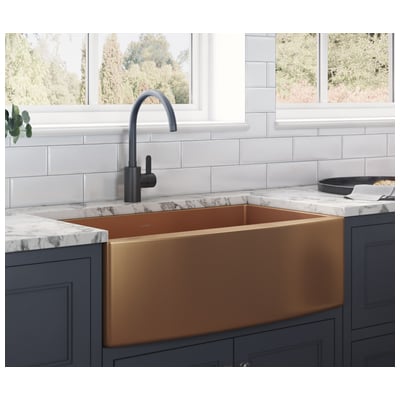
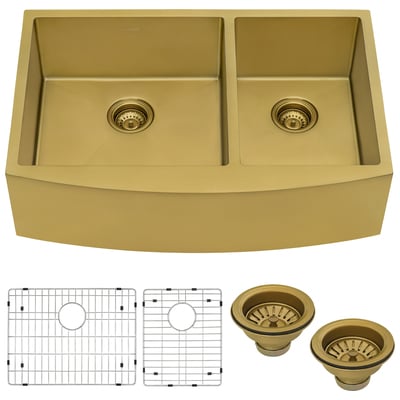
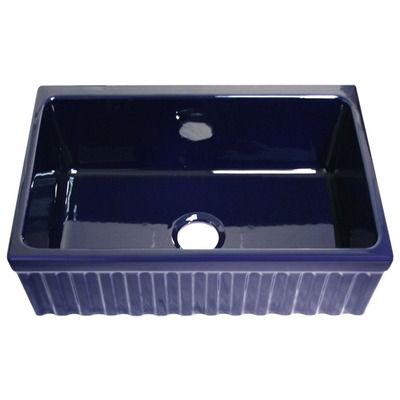
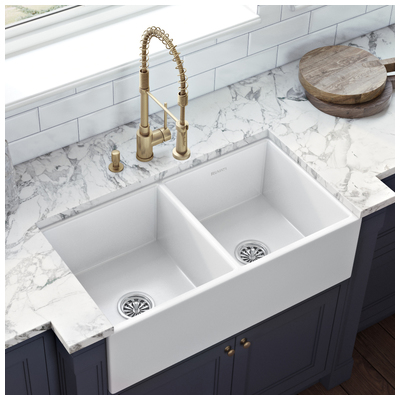
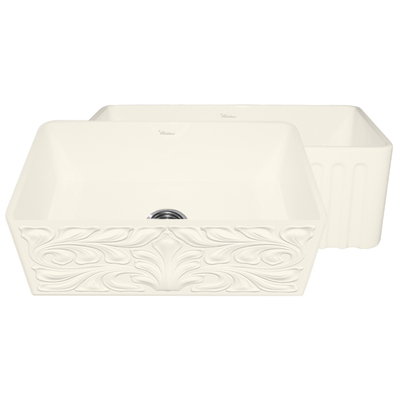
Because the apron is visible, the front panel becomes a focal point — fireclay versions show off hand-glazed surfaces, copper develops a living patina, and stainless steel options bring a quieter, contemporary edge. Browse the full kitchen sink collection or compare related styles like farmhouse sinks and undermount sinks to see how mount type changes the look.
Most apron front sinks require a modified sink base cabinet with a front cutout and reinforced support, since the sink's weight rests on the cabinet rather than the countertop. Confirm cabinet width and load capacity before ordering.
 FILTER BY




















Frequently Asked Questions
What is the difference between an apron front sink and a farmhouse sink?
The terms overlap, but there is a distinction. Apron front describes any sink with an exposed front panel, including modern flat-front stainless steel models. Farmhouse traditionally refers to deep, rustic-style apron sinks in fireclay or enameled cast iron. Every farmhouse sink is apron front, but not every apron front sink fits the farmhouse aesthetic.
Do I need a special cabinet for an apron front sink?
Yes. The cabinet base needs a front cutout sized to the apron panel, and the floor of the cabinet must be reinforced to carry the sink's weight — fireclay and cast iron versions can exceed 100 pounds when filled. Many manufacturers sell pre-modified apron sink base cabinets, or a cabinetmaker can retrofit a standard 33 or 36 inch base.
Can an apron front sink be installed as undermount or top-mount?
Apron front sinks can be installed flush with the counter, slightly above (positive reveal), or slightly below (negative reveal) depending on counter material and preference. They are not drop-in sinks — there is no rim resting on the counter. The apron itself supports the front edge, while the back rests on cabinet rails or ledger boards.
Are apron front sinks harder to clean than other styles?
The basin itself is easy to clean — there is no rim to trap crumbs, similar to an undermount. The apron face does need occasional wiping since water and soap splashes land there during dishwashing. Fireclay and stainless aprons wipe clean with mild soap; copper aprons should avoid acidic cleaners that strip the patina.
What faucet height works best with an apron front sink?
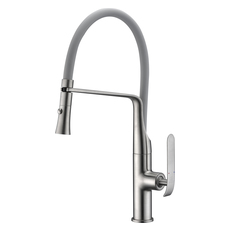
Because apron sinks are typically 9 to 10 inches deep, pair them with a tall gooseneck or pull-down faucet — at least 8 inches of clearance above the rim — so you can rinse stockpots and sheet pans. Wall-mount faucets are also a popular pairing since the deep basin handles splashing well.