












































Kitchen Sinks for Every Layout and Style
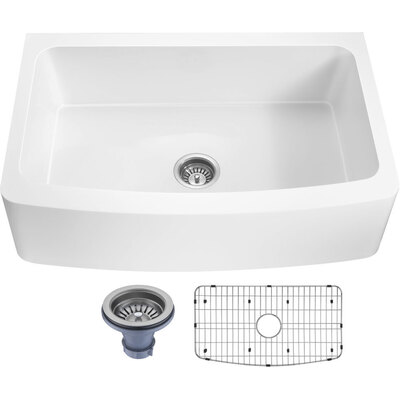
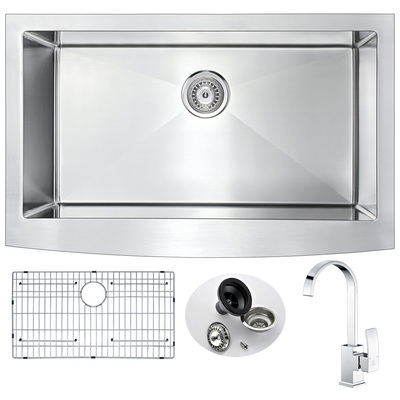
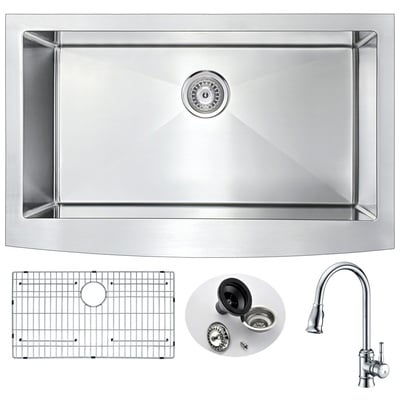
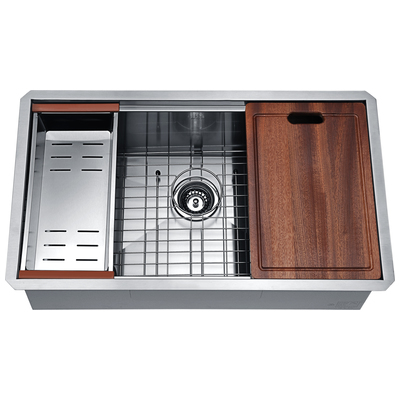
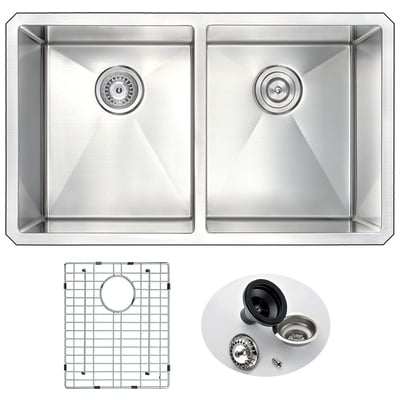
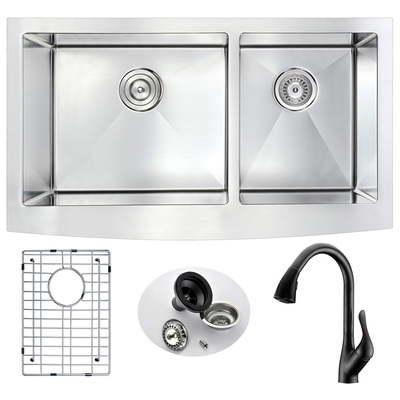
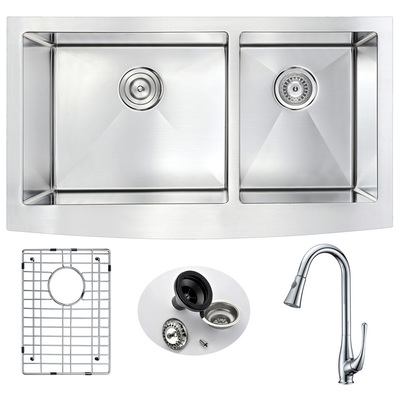
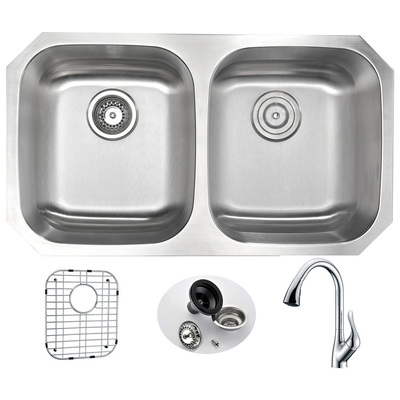
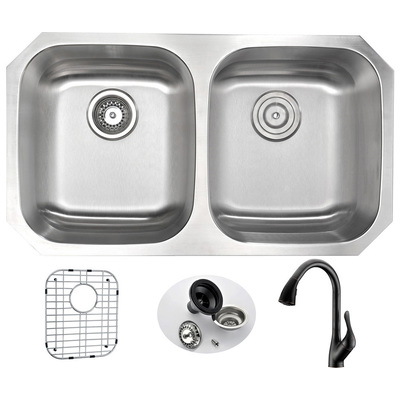
Kitchen sinks are the workhorse of any kitchen, handling everything from rinsing produce to soaking sheet pans, so the right pick has to match your cabinet base size, countertop material, and daily workflow. Our catalog covers the four mounting styles homeowners actually install: apron-front farmhouse sinks, sleek undermount sinks, classic drop-in top-mount sinks, and traditional apron designs.
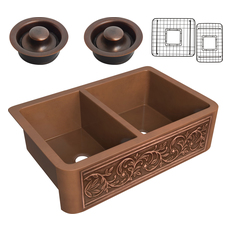
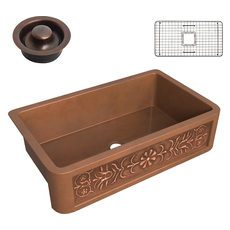
Material is the next big choice. Stainless steel remains the most popular pick for its lightweight install and stain resistance, while fireclay handles boiling water and resists chips for decades. Granite composite hides scratches and dampens sound, copper develops a living patina, and brass adds warmth to traditional kitchens.
Sizes range from under 19 inch bar/prep sinks up to oversize 36 inch and larger basins for islands. Filter by width to match your existing cabinet, then narrow by color and configuration.
 FILTER BY














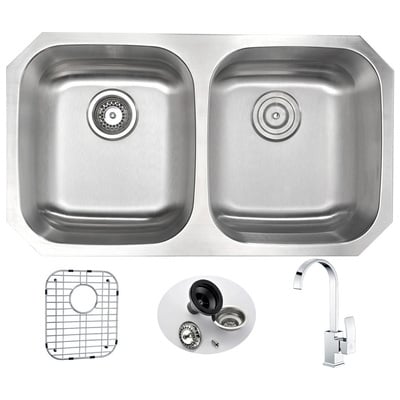

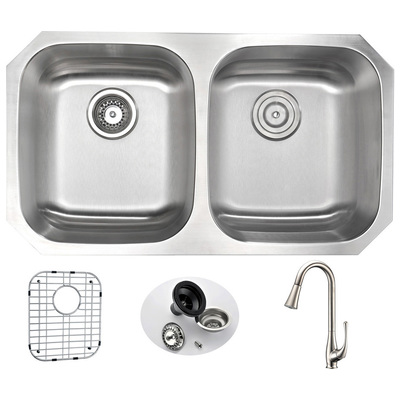
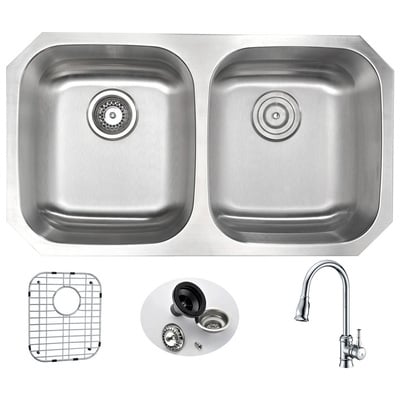
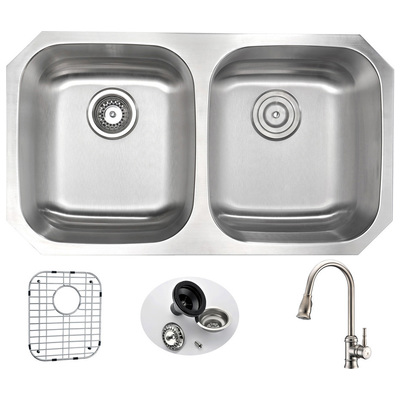




Frequently Asked Questions
What size cabinet do I need for my kitchen sink?
Your base cabinet should be at least 3 inches wider than the sink. A 30 inch sink needs a 33 inch cabinet, and a 33 inch sink needs the standard 36 inch base. Farmhouse sinks require additional cabinet modification because the apron front replaces part of the cabinet face, so the door area must be cut and reinforced for the sink's weight.
Which kitchen sink material lasts the longest?
Fireclay and copper have the longest service lives, often 50+ years, because they resist chipping and develop character with age. 16-gauge stainless steel also lasts decades but can show scratches and water spots. Granite composite resists stains and scratches well but can crack under sharp impact from heavy cast iron cookware dropped from height.
Can I install an undermount sink with a laminate countertop?
No. Undermount sinks require a solid surface countertop like granite, quartz, marble, or solid wood that can be sealed at the cut edge. Laminate has a particleboard core that swells when exposed to water at an unsealed edge. For laminate counters, choose a drop-in (top-mount) sink, which has a rim that covers and protects the cutout.
What is the difference between a farmhouse and an apron sink?
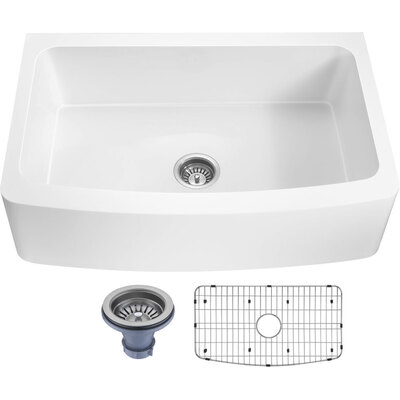
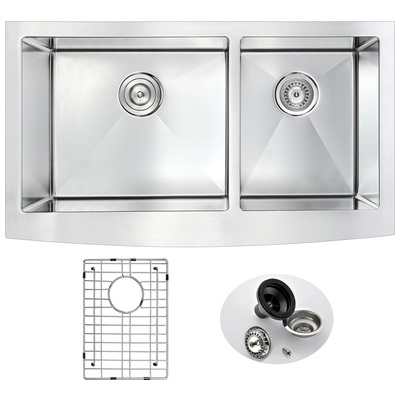
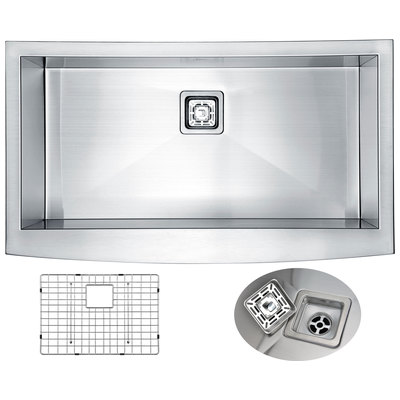
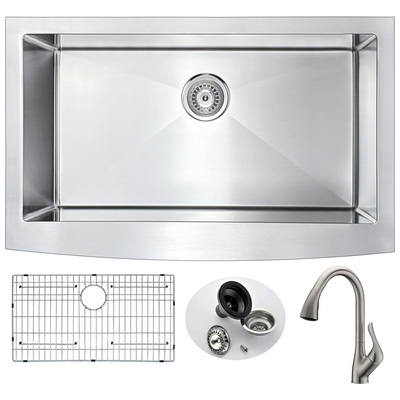
The terms overlap. A farmhouse sink traditionally has a deep single bowl with an exposed front panel called an apron, so most farmhouse sinks are also apron-front sinks. Some modern apron sinks have shorter aprons or double bowls and aren't styled as country farmhouse. Both require a custom cabinet cutout and reinforced support due to their weight.
How many faucet holes should my kitchen sink have?
Count the fixtures you want above the counter. One hole fits a single-handle faucet; two holes add a side sprayer or soap dispenser; three holes fit a widespread faucet with separate handles; four holes add an air gap for dishwashers or filtered water tap. Many sinks ship with knockouts so you can open only the holes you need.