















































Traditional Bathroom Vanities
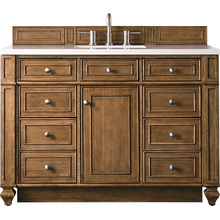
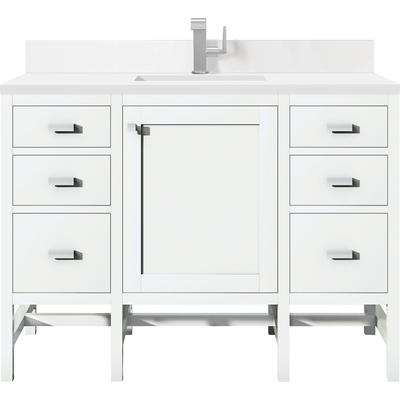
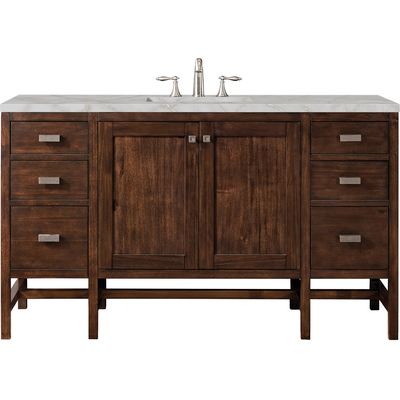
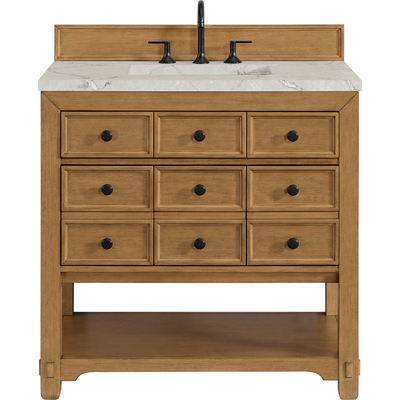
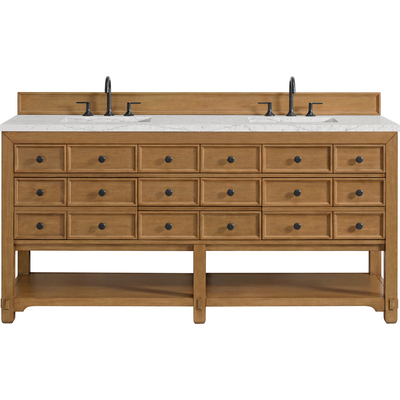
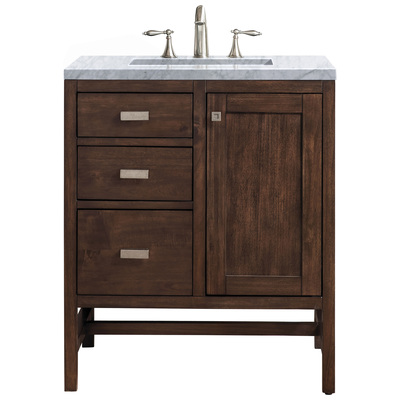
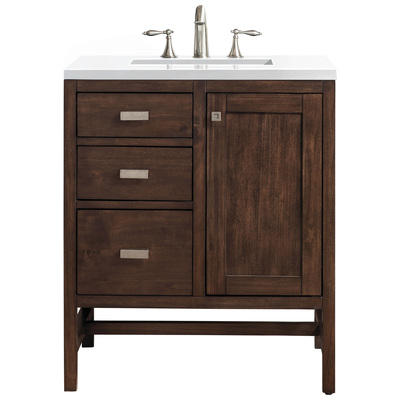
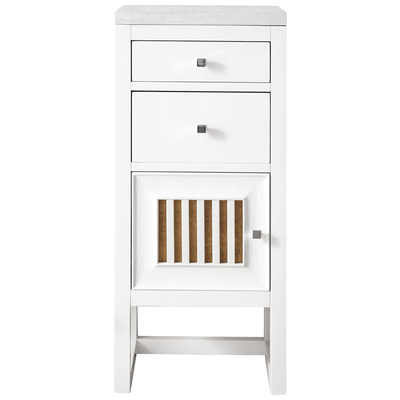
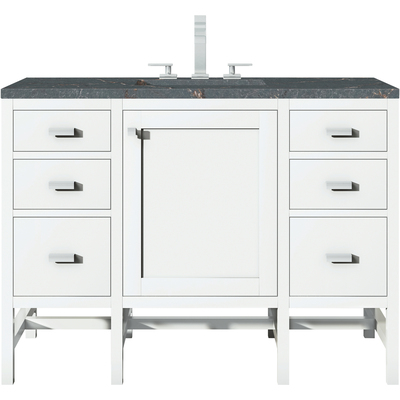
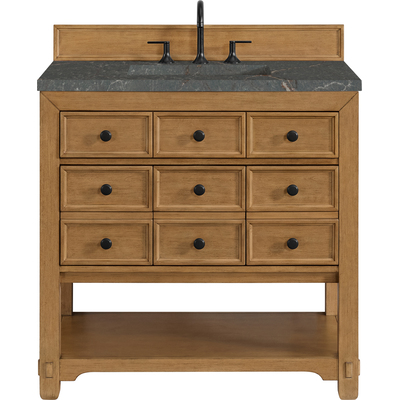
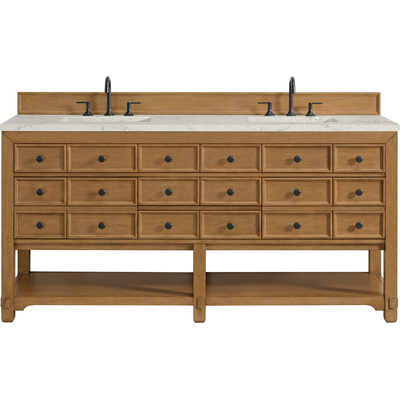
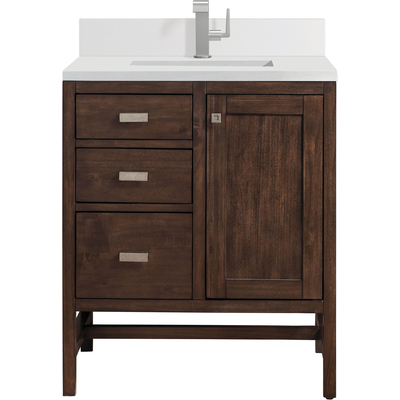
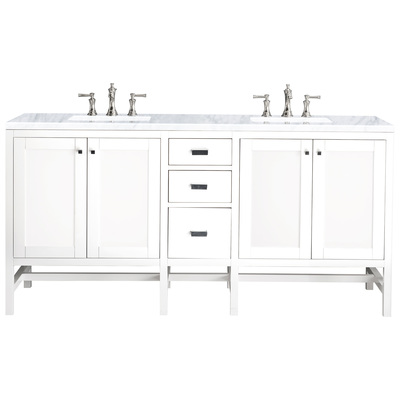
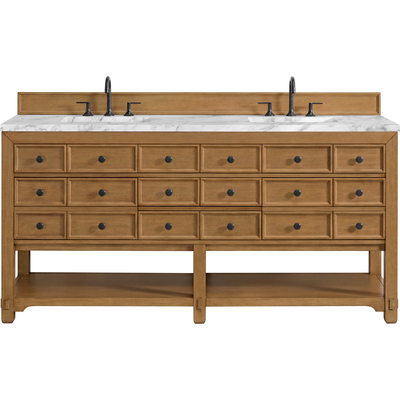
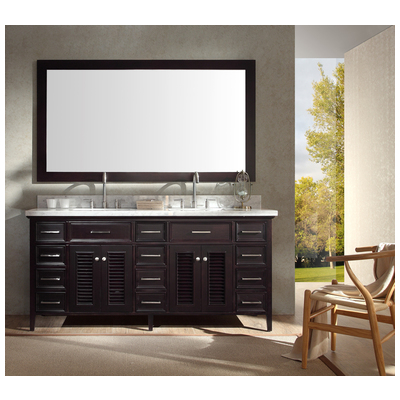
Traditional bathroom vanities bring time-tested craftsmanship to the bath with raised-panel doors, fluted pilasters, bun feet, and carved corbels that distinguish this style from streamlined modern vanities. Rooted in 18th and 19th century furniture design, traditional vanities feature solid hardwood construction, dovetailed drawers, and antique brass or oil-rubbed bronze hardware that complements colonial, Georgian, and Victorian home architecture.
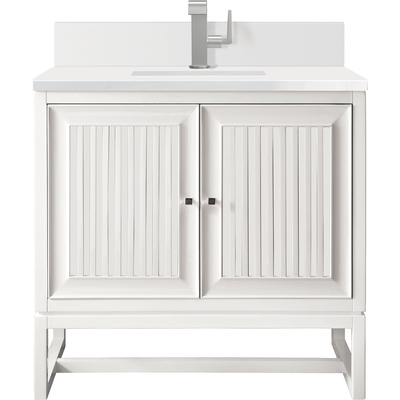
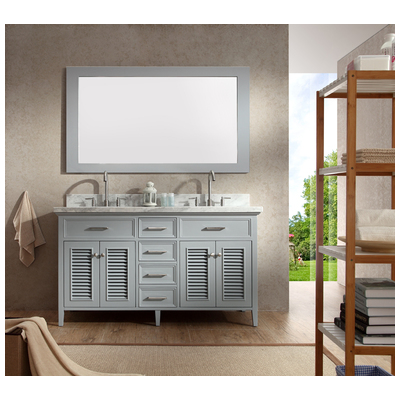
This collection pairs especially well with marble or granite countertops, undermount porcelain sinks, and bridge faucets in polished nickel or brushed gold. Rich mahogany, cherry, and espresso finishes dominate the category, though painted white and soft gray options work beautifully in transitional remodels. Explore the full bathroom vanity collection or narrow your search by size, sink configuration, or finish color.
Whether you are restoring a historic home or adding warmth to a new build, a traditional vanity delivers the heirloom-quality detail that flat-front cabinets cannot match.
 FILTER BY





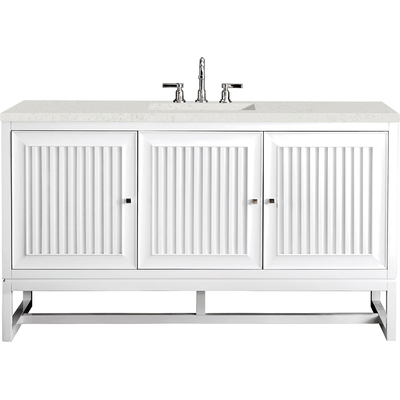
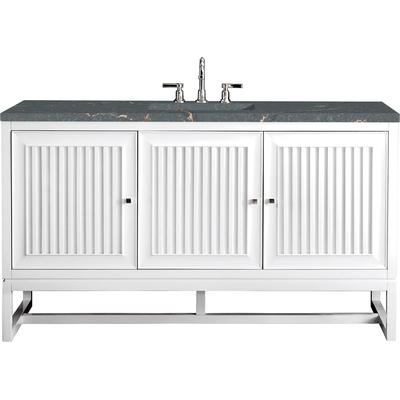

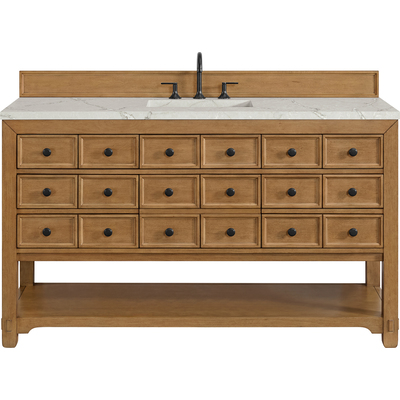
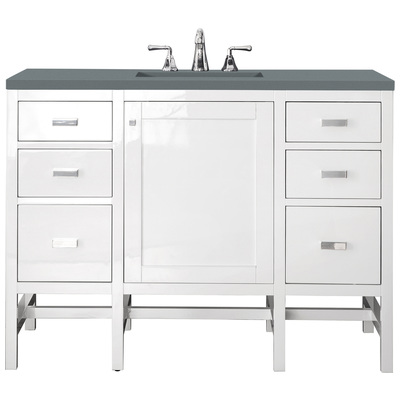

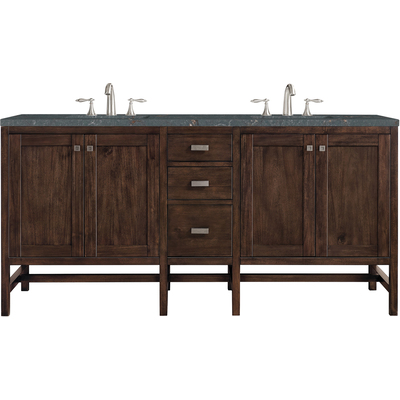
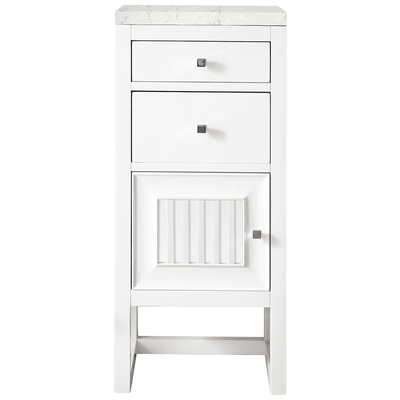
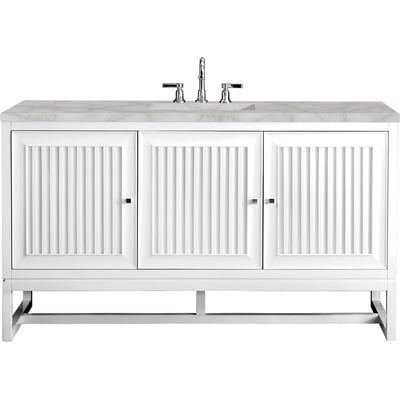
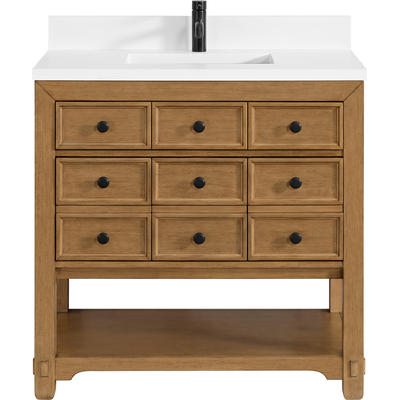









Frequently Asked Questions
What defines a traditional bathroom vanity versus a transitional one?
A traditional vanity features ornamentation such as carved corbels, fluted pilasters, raised-panel doors, and turned or bun feet inspired by historic furniture. A transitional vanity softens these details, combining simpler shaker-style doors with classic proportions. If the piece has visible carving, decorative molding, or furniture-grade feet, it is traditional. If lines are cleaner but still warm, it leans transitional.
What countertop and hardware finishes pair best with traditional vanities?
Traditional vanities shine with natural marble (Carrara, Calacatta) or granite tops featuring ogee or beveled edges. For hardware, choose oil-rubbed bronze, antique brass, polished nickel, or satin gold cup pulls and knobs. Porcelain knobs add Victorian charm. Avoid matte black or chrome, which read contemporary and fight the period feel of carved wood and raised paneling.
How do I care for a traditional vanity with a stained wood finish?
Dust weekly with a soft microfiber cloth and clean spills immediately to prevent water rings on the stained finish. Use a pH-neutral wood cleaner, never ammonia or all-purpose sprays that strip lacquer. Apply a furniture polish with carnauba wax twice a year to protect carved details and molding. Keep humidity between 35-55% to prevent the solid wood panels from cracking or warping.
Do traditional vanities work in small bathrooms?
Yes. Traditional styling scales down well to 24-inch and 30-inch widths, and corner traditional vanities are available for powder rooms. Look for pieces with fewer carved flourishes and lighter painted finishes (cream, soft gray, pale blue) to keep a small bath from feeling heavy. A framed mirror and wall sconces amplify the classic look without consuming floor space.
What home styles suit traditional bathroom vanities?
Traditional vanities complement colonial, Georgian, Victorian, Cape Cod, and Craftsman architecture, as well as French Country and English cottage interiors. They also work in transitional new builds where homeowners want warmth and character. They look out of place in mid-century modern, industrial loft, or minimalist Scandinavian bathrooms, where a modern vanity would be a better fit.