
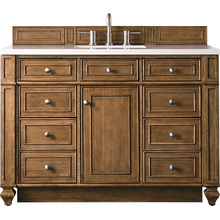






































Modern Bathroom Vanities
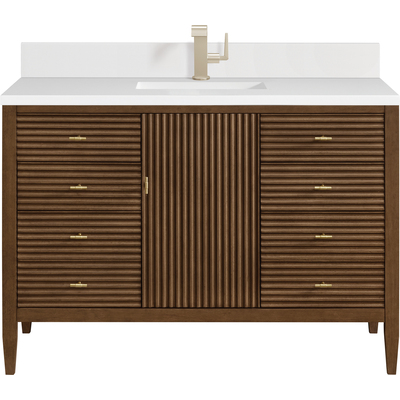
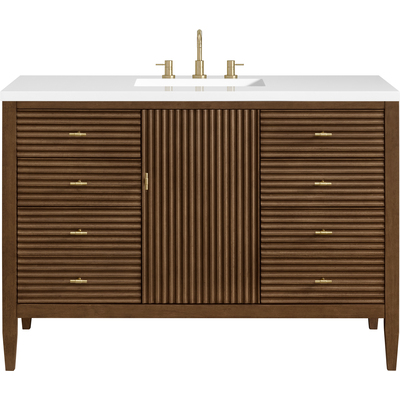
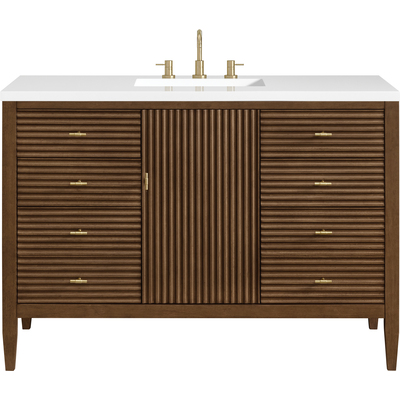
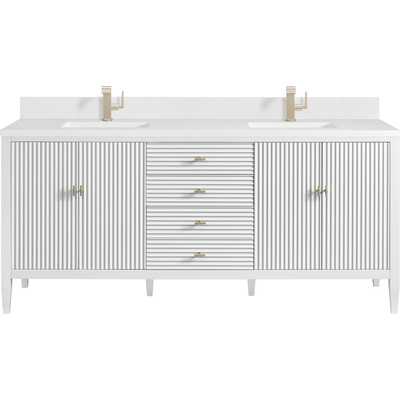
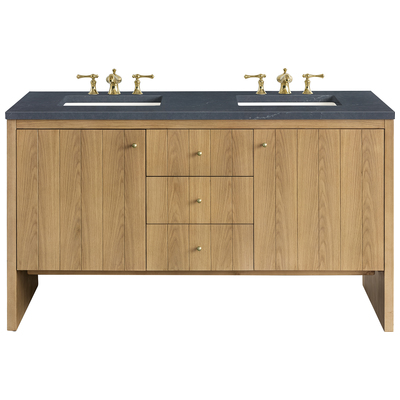
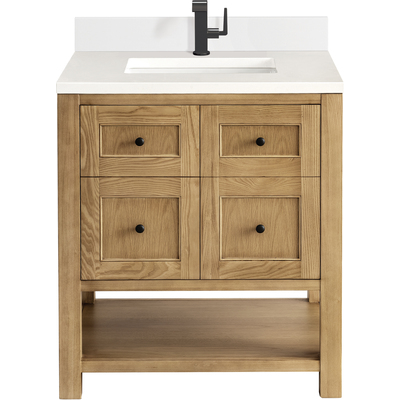
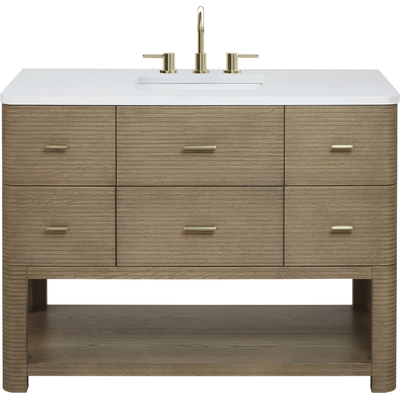
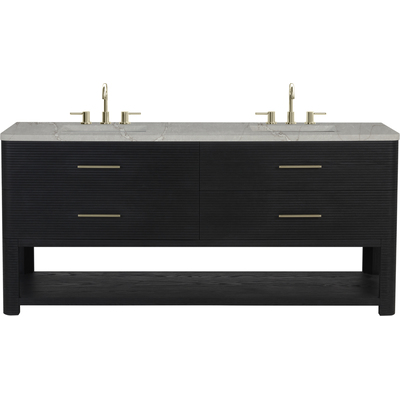
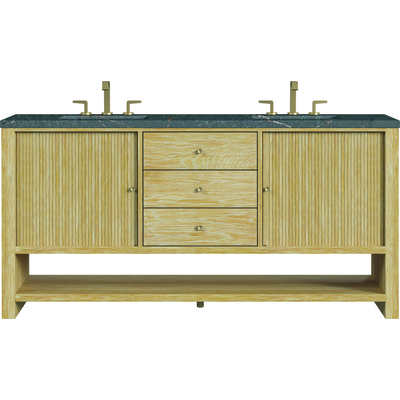
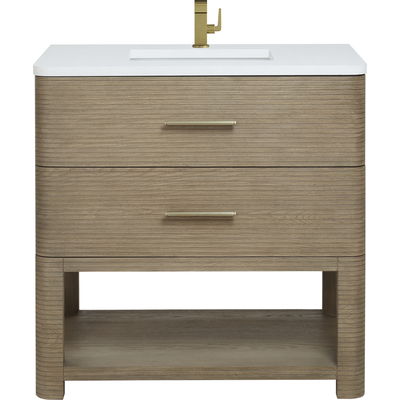
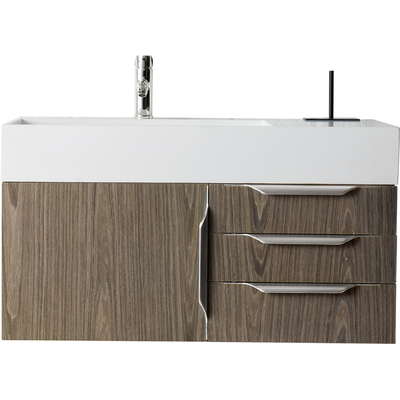
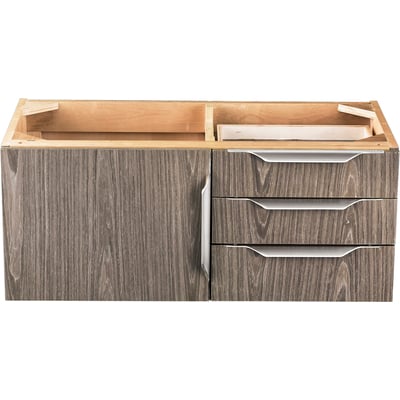
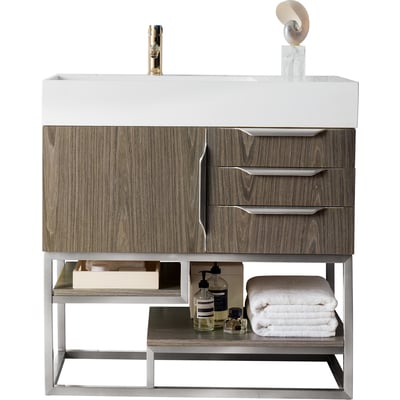
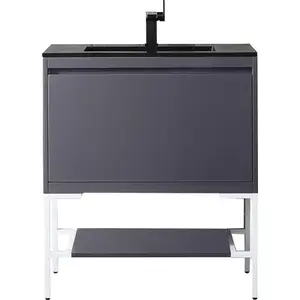
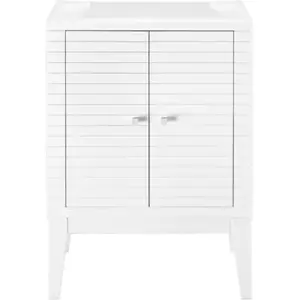
A modern bathroom vanity is defined by clean horizontal lines, slab-front drawers, hidden or integrated pulls, and a rejection of ornamental molding. Unlike traditional cabinetry built around raised panels and bun feet, modern designs emphasize geometry, negative space, and a low visual profile that makes small bathrooms feel larger.
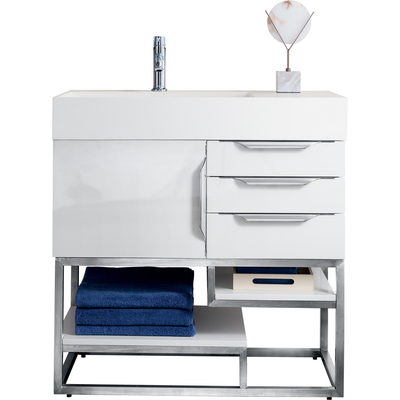
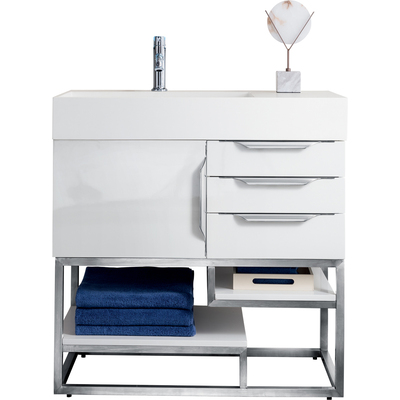
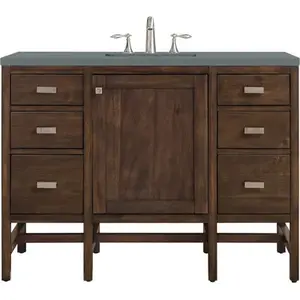
Expect to see flat-panel doors in high-gloss lacquer or rift-cut wood veneers, waterfall-edge countertops, and integrated porcelain or solid-surface basins that sit flush with the deck. Many models are engineered as floating wall-mount vanities to expose the floor line — a signature move in contemporary design.
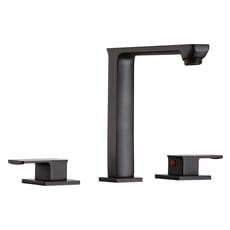
Pair these pieces with matte black or brushed nickel fixtures, large-format porcelain tile, and linear LED mirrors for a cohesive look. If your home leans more classic, compare options in our traditional vanity collection or return to the full bathroom vanity catalog to weigh both styles side by side.
 FILTER BY






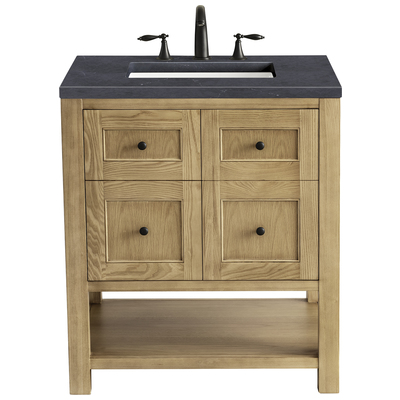


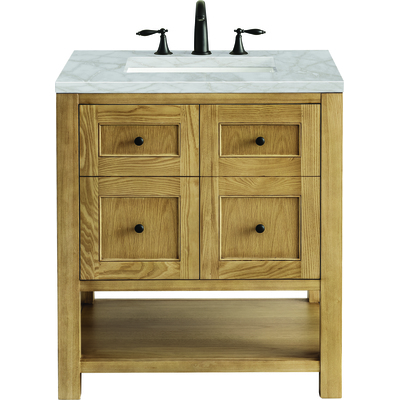
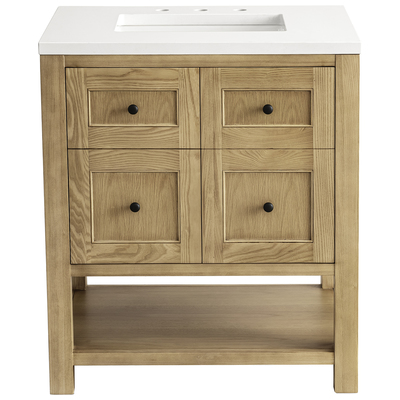
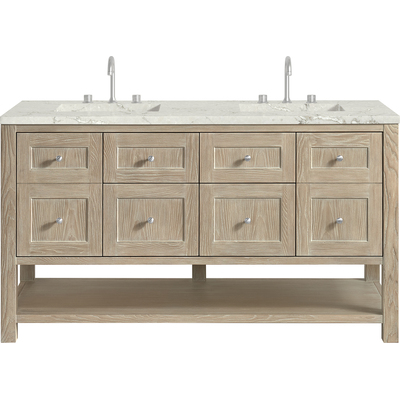


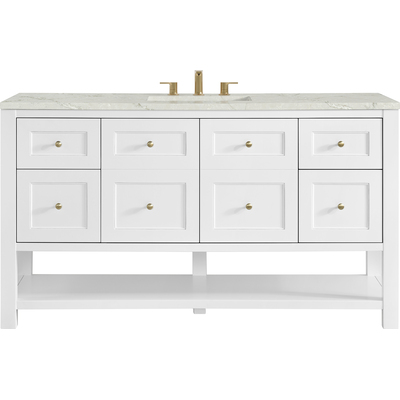
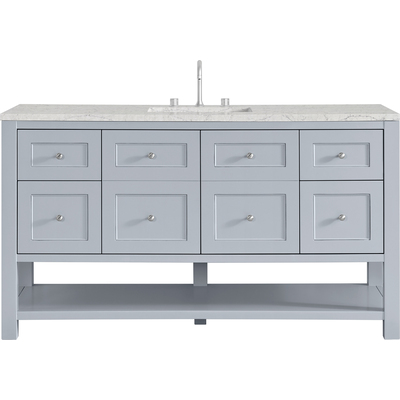
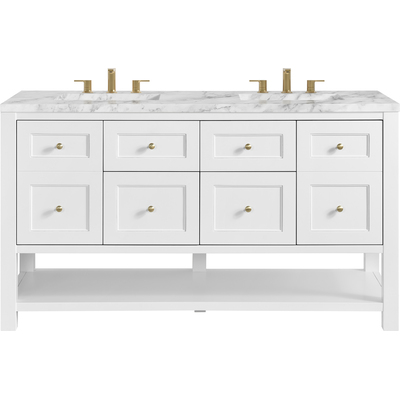
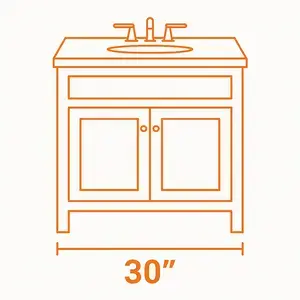
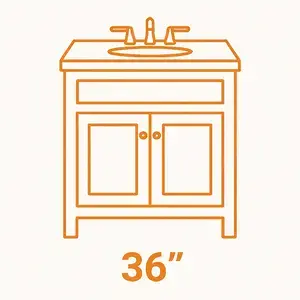
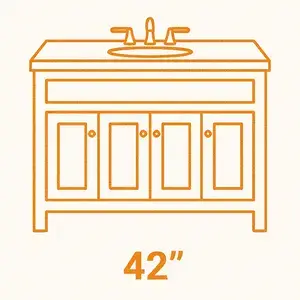
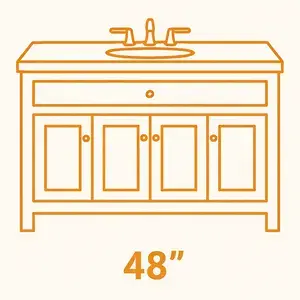

Frequently Asked Questions
What makes a bathroom vanity modern versus contemporary or transitional?
Modern refers to a specific 20th-century design movement: flat slab fronts, horizontal grain, no molding, and hidden hardware. Contemporary is broader and evolves with current trends. Transitional blends shaker-style doors with simplified hardware. If you want sharp geometry and zero ornamentation, choose modern; if you want a softer blend, transitional is the safer bet.
Do high-gloss modern vanity finishes scratch or show water spots easily?
High-gloss lacquer is durable but shows fingerprints, water droplets, and micro-scratches more than matte finishes. Wipe down daily with a soft microfiber and a pH-neutral cleaner — never use abrasive pads or ammonia-based sprays. If you have kids or a high-traffic bath, consider matte or textured wood-grain melamine, which hides smudges while keeping the modern profile.
What countertop material best suits a modern bathroom vanity?
Quartz and sintered stone are the top picks because they come in large slabs with minimal veining, supporting the clean-line aesthetic. Solid-surface tops like Corian allow seamless integrated sinks with no caulk line. Avoid busy granites and travertine — heavy movement fights the minimalist geometry. For waterfall edges, quartz is the most forgiving to fabricate.
What wall color and tile pair best with a modern vanity?
Modern vanities look strongest against monochromatic or tonal backdrops: warm white, greige, charcoal, or deep matte black walls. Pair with large-format 24x48 porcelain tile, vertical stack-bond subway, or micro-cement finishes. Avoid patterned encaustic tile or beadboard wainscoting — both read traditional and undercut the clean geometry. A white modern vanity works especially well with warm oak flooring.
Are modern floating vanities harder to install than freestanding ones?
Yes — floating modern vanities require in-wall blocking between studs to support 150+ pounds of cabinet, stone top, and water weight. If your walls lack blocking, you'll need to open the drywall or use a French cleat system. Plumbing rough-ins must also be relocated higher than standard (typically 16-18 inches off the floor) to hide behind the cabinet back.