






































Stainless Steel Bathroom Sinks
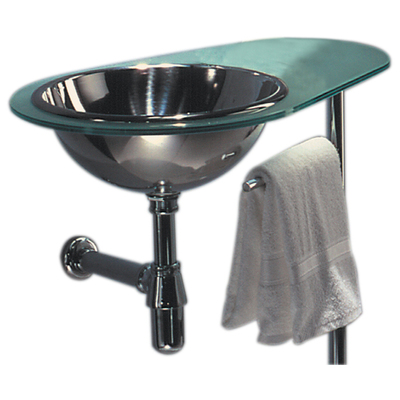
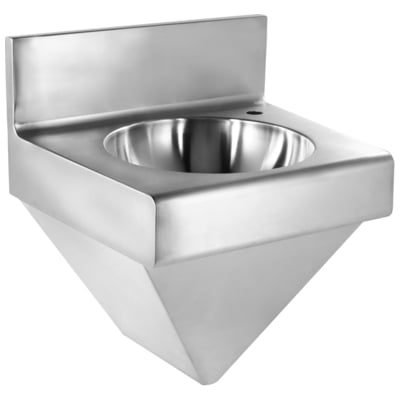
Stainless steel bathroom sinks bring a clean, industrial edge to powder rooms and primary baths that ceramic and stone simply can't match. Unlike porous materials, the non-porous metal surface resists staining from cosmetics, hair dye, and toothpaste — a real advantage in high-use family bathrooms.
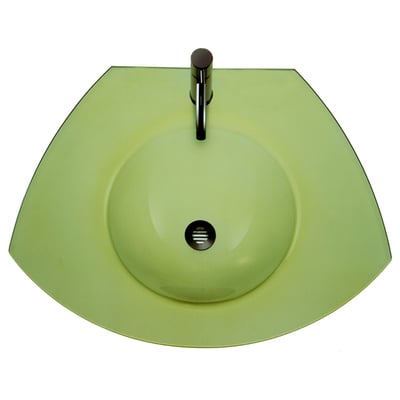
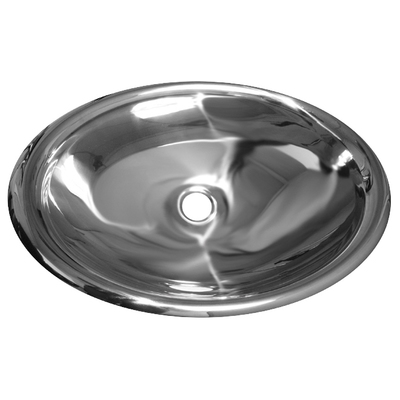
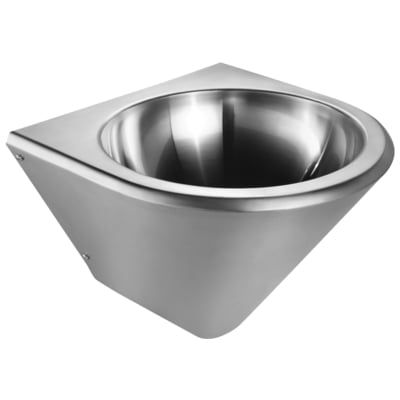
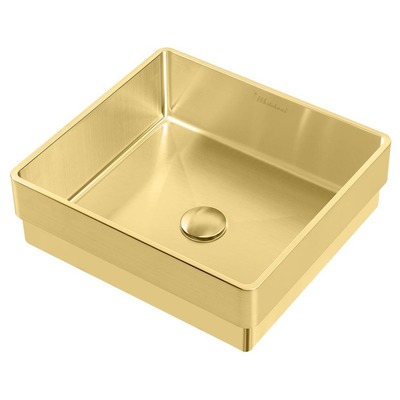
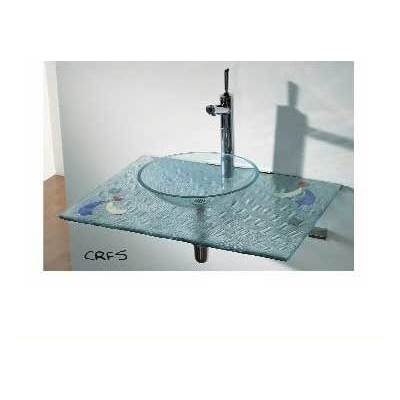
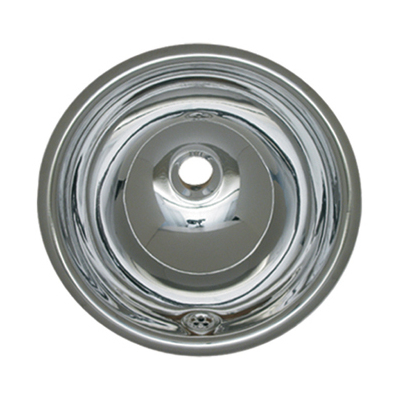
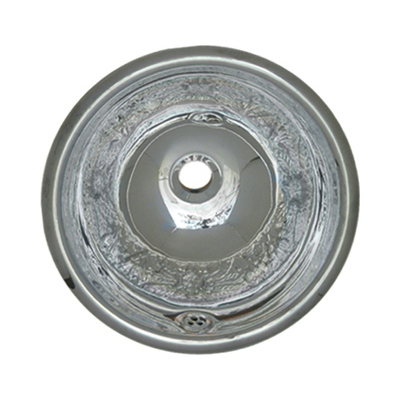
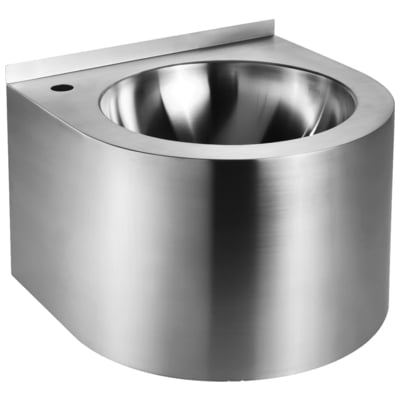
Most stainless basins on this page are 18-gauge or thicker, with a brushed satin finish that hides minor scratches and water spots better than a mirror polish. You'll find vessel bowls that pair with tall waterfall faucets, plus undermount and drop-in models that work with quartz, granite, or laminate counters. Browse the full bathroom sinks collection for other materials, or compare with glass sinks and natural stone basins.
For loft conversions, contemporary remodels, and commercial-style guest baths, stainless steel delivers the durability of a kitchen sink in a refined bathroom scale.
 FILTER BY

















Frequently Asked Questions
Will a stainless steel bathroom sink rust or pit?
True 304-grade stainless steel is highly rust-resistant thanks to its chromium content, which forms a passive oxide layer. Lower grades or sinks exposed to harsh chlorine bleach can develop pitting over time. Stick to mild dish soap and avoid leaving steel wool pads or razor blades sitting in the basin — iron particles transferred from those tools cause most surface rust spots.
How do I keep a stainless bathroom sink from showing water spots?
Hard water leaves visible mineral spots on polished stainless faster than on ceramic. Choose a brushed or satin finish to camouflage daily marks. Wipe the basin dry after use with a microfiber cloth, and once a week buff with a drop of mineral oil or a stainless steel cleaner along the grain direction. Avoid abrasive pads — they leave permanent cross-grain scratches.
Is stainless steel too noisy for a bathroom sink?
Bare stainless can produce a tinny sound when water hits, especially in vessel installations. Quality models include spray-on sound dampening or rubber pads bonded to the underside, which reduce noise to levels comparable with porcelain. Thicker 16-gauge basins are also noticeably quieter than 20-gauge. Check product specs for "sound deadening" or "undercoating" before buying.
What faucet finish pairs best with a stainless steel sink?
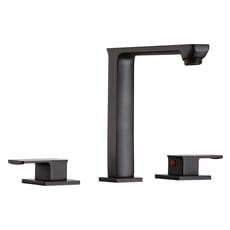
Brushed nickel and polished chrome are the safest matches because they share the cool tone of stainless. Matte black creates strong industrial contrast and works well in modern bathrooms. Avoid mixing stainless with brass or oil-rubbed bronze unless the rest of the room intentionally embraces a mixed-metal look — the warm-cool clash can feel unintentional rather than designed.
Can a stainless steel sink be installed as undermount on any countertop?
Stainless is lightweight compared with stone, but undermount installation still requires a solid-surface counter like quartz, granite, or solid wood. Laminate counters are not suitable because exposed particleboard edges absorb water. Stainless undermounts are typically secured with epoxy and metal clips screwed into the counter underside — confirm your fabricator includes the correct mounting hardware for the basin's rim profile.