
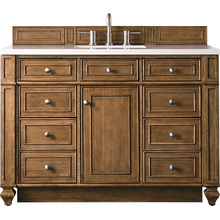
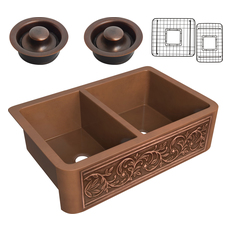









































Vessel Sinks for the Bathroom
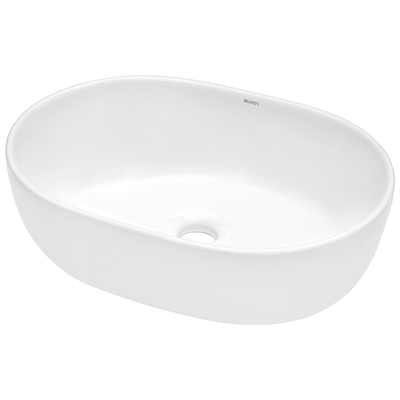
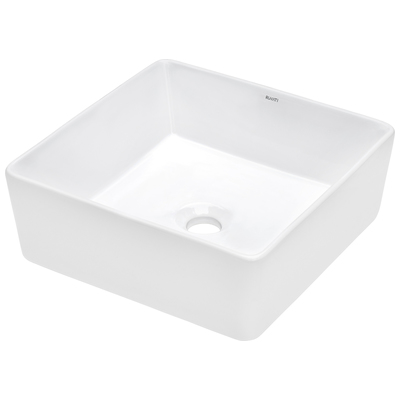
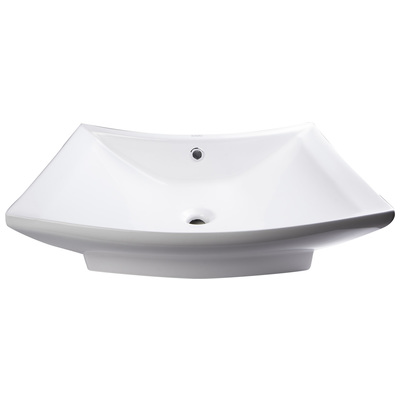
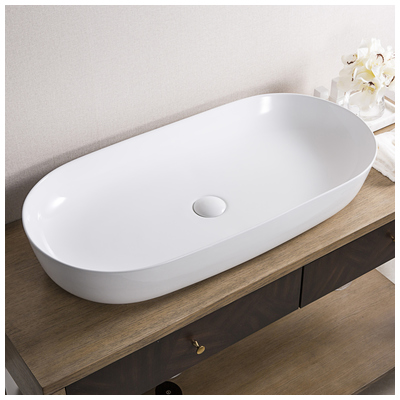
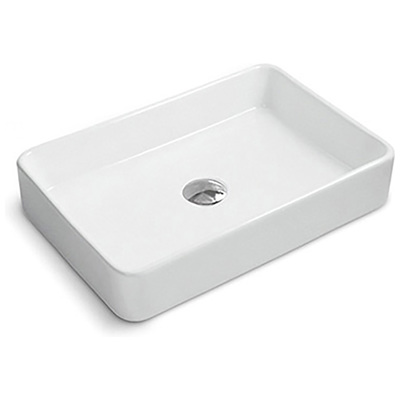
A vessel sink sits on top of the counter like a decorative bowl, raising the rim roughly 5 to 6 inches above the vanity surface. That extra height is the defining feature: it changes the faucet you'll need, the vanity height that feels comfortable, and the visual weight of the entire bathroom sink in the room.
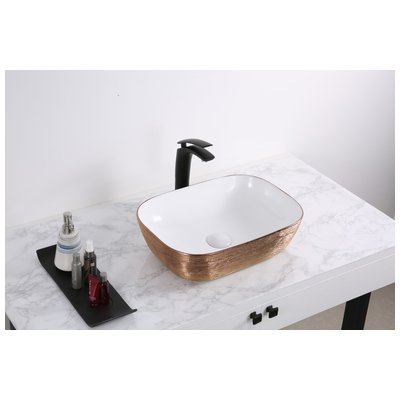
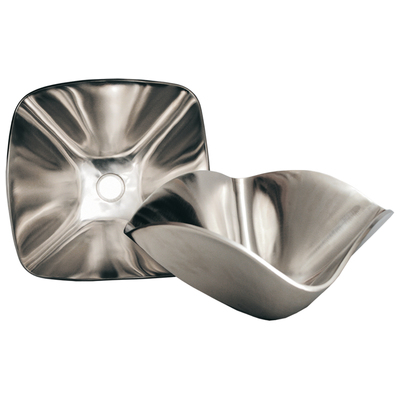
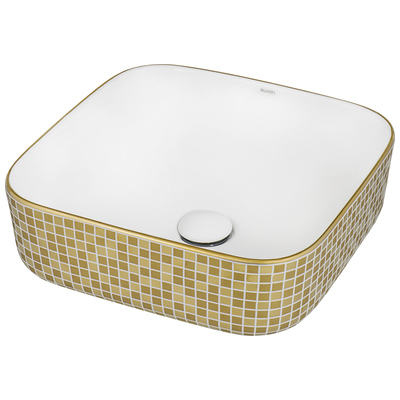
Because the bowl is exposed on all sides, vessel sinks are typically the most decorative style in the catalog — hand-hammered copper, carved natural stone, blown glass, and sculpted ceramic all show off their full silhouette. Pair them with a tall vessel-height faucet (or a wall-mounted spout) so water clears the rim with room to spare.
Browse over 390 above-counter bowls, including natural stone vessel sinks, round vessel sinks, and gold finishes, or compare the look against undermount sinks for a flush-counter alternative.
 FILTER BY











Frequently Asked Questions
How tall should a vanity be for a vessel sink?
Because a vessel sink adds 5–6 inches of height above the counter, choose a vanity in the 28–30 inch range so the rim lands at a comfortable 34–36 inches. Installing a vessel on a standard 32-inch or comfort-height 36-inch vanity often pushes the rim too high for daily handwashing, especially for shorter users or kids' bathrooms.
What kind of faucet works with a vessel sink?
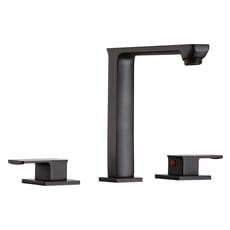
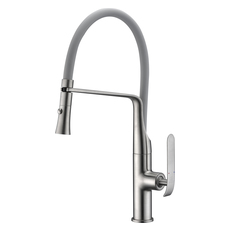
You need a vessel-height faucet — typically 10 to 14 inches tall — so the spout clears the rim of the bowl. Standard 4-inch centerset faucets are too short and will splash against the inside wall. Wall-mounted faucets are another popular option; mount the spout 5–6 inches above the rim and centered over the drain.
Do vessel sinks splash more than other sinks?
They can, because the basin is shallower (typically 4–6 inches deep) and the faucet is mounted higher. To minimize splashing, choose a bowl with steep interior walls, pick a faucet with an aerated laminar flow, and align the spout so water hits the basin near the drain rather than the front rim.
How is a vessel sink mounted to the counter?
The bowl sits on top of the counter over a single 1.5–1.75 inch drain hole. A mounting ring or rubber gasket seats the base, and a 100% silicone bead seals the perimeter against water seepage. You'll also need an extended-tailpiece pop-up drain (sometimes called a vessel drain) because standard drains are too short to reach the P-trap from the elevated bowl.
Are vessel sinks harder to clean?
The bowl interior is easy — there's no rim seam to trap toothpaste — but the exterior of the basin and the silicone bead at the counter need regular wiping, since splashed water and soap pool there. Glass vessels show water spots quickly; copper and stone hide them better. Avoid abrasive pads on any vessel material to protect the visible exterior finish.