




































Oval Bathtubs for a Sculpted Soak
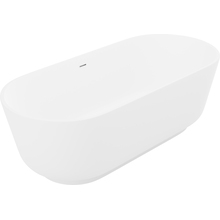
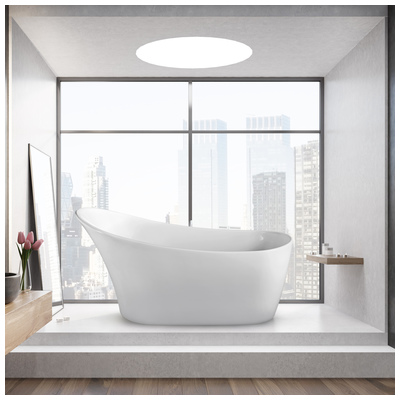
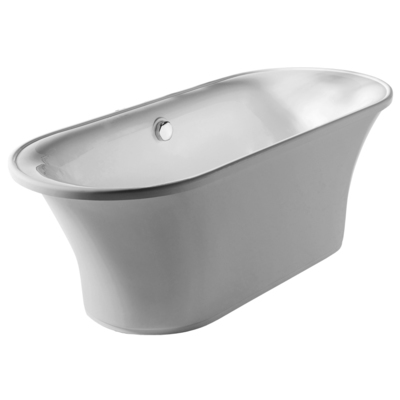
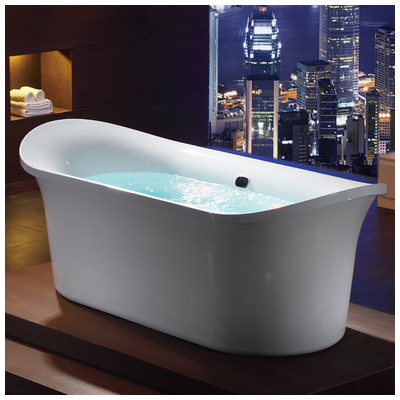
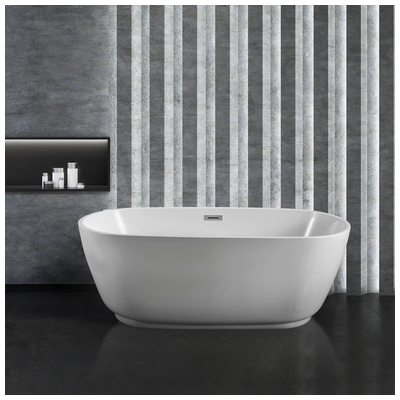
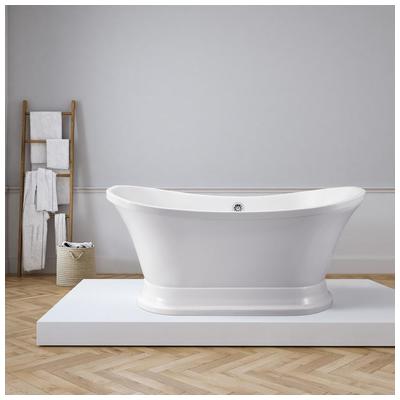
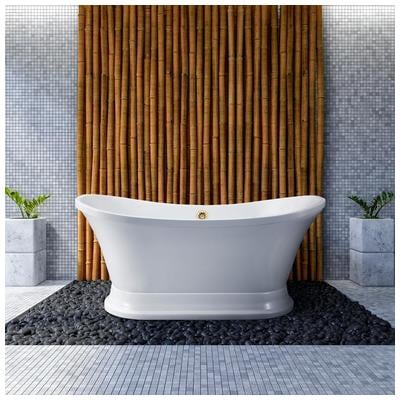
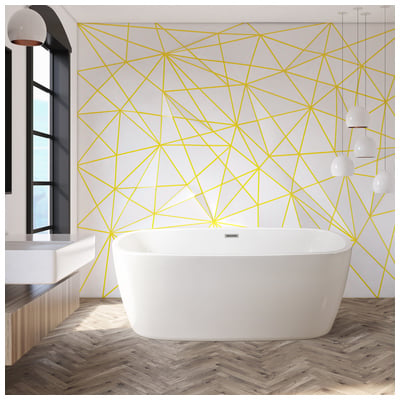
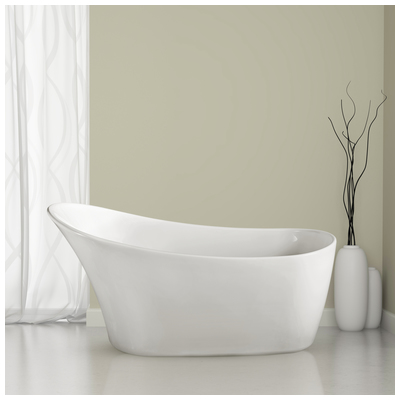
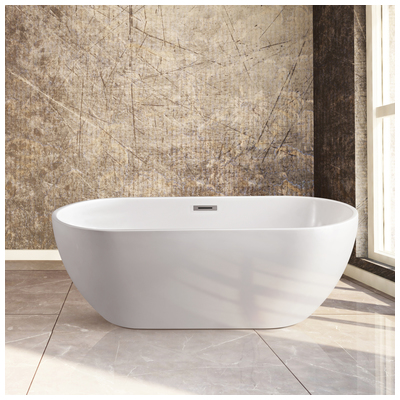
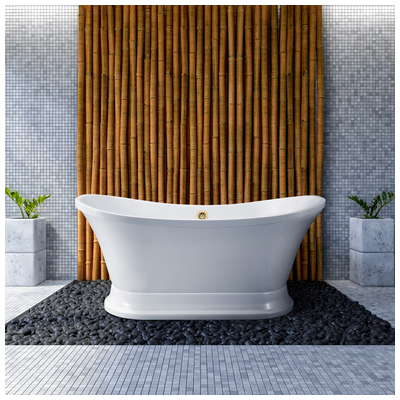
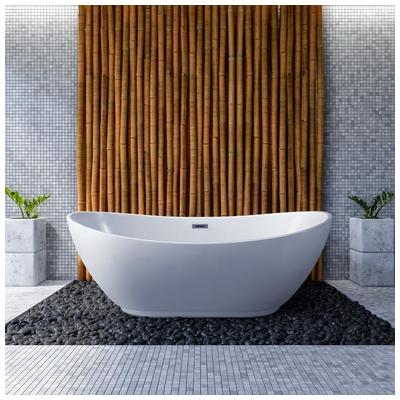
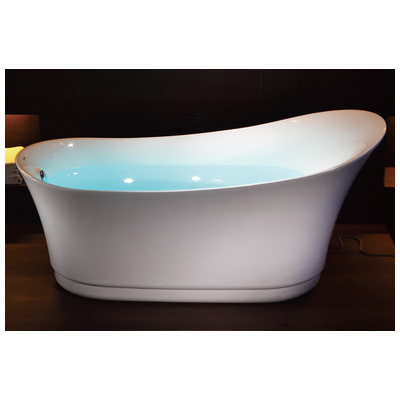
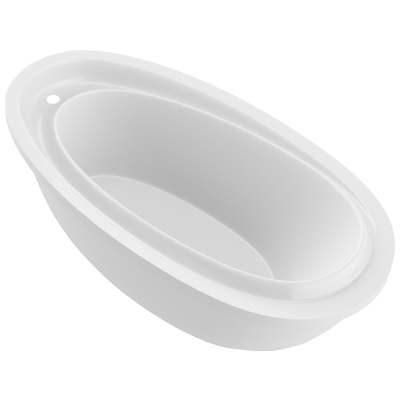
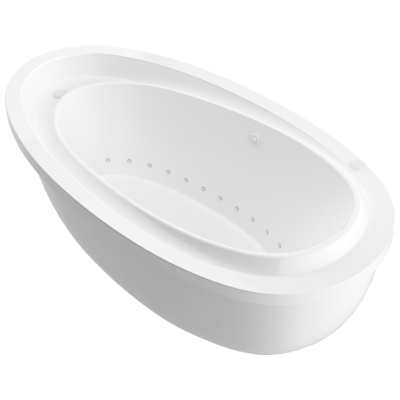
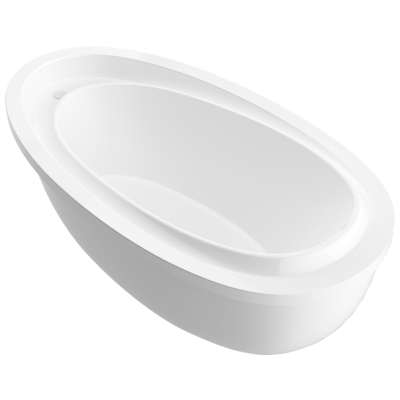
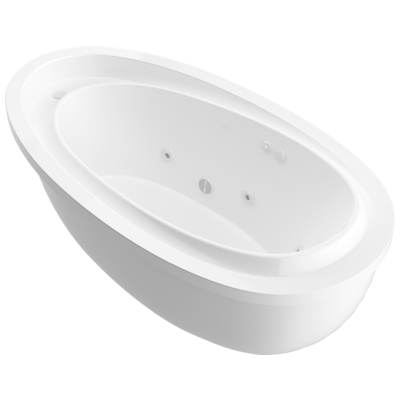
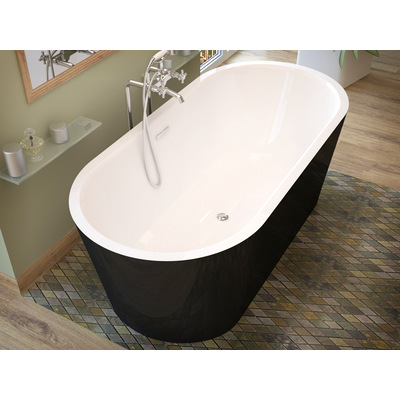
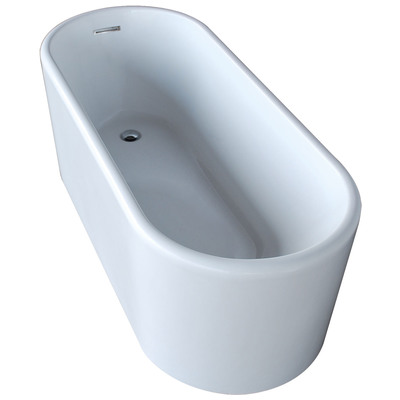
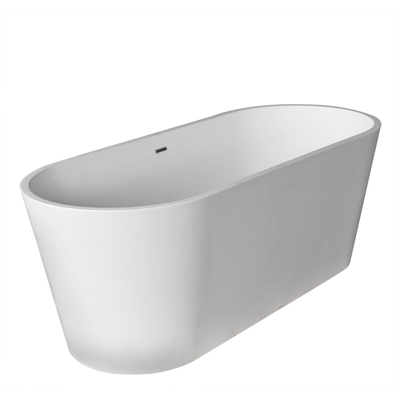
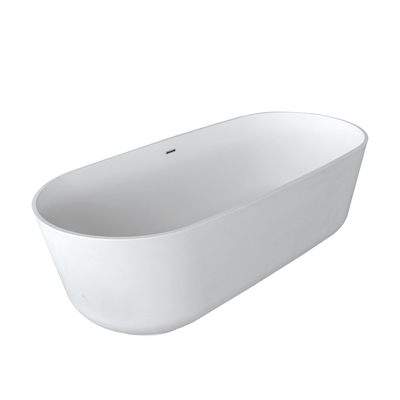
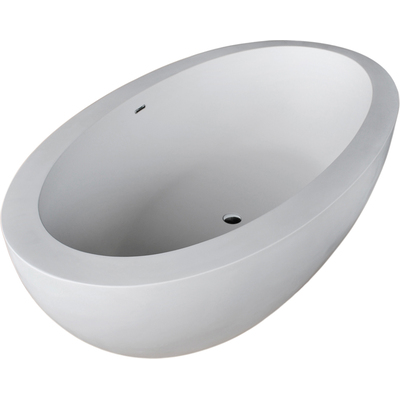
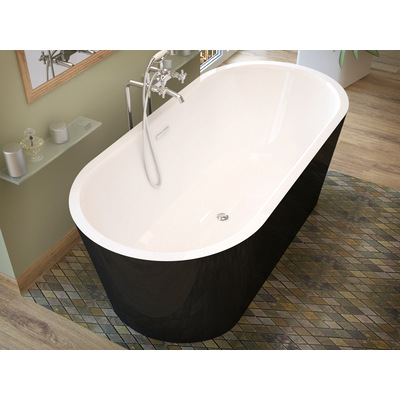
An oval bathtub trades the boxy corners of a standard alcove for a continuous curved silhouette that mirrors the natural shape of the body. The narrower ends and wider midsection cradle the shoulders and hips, so water surrounds the bather more evenly than in a rectangular basin of the same length.
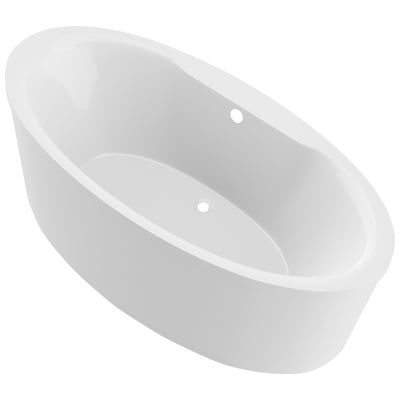
Because oval shells have no flat side to push against a wall, most are designed for freestanding installation in the middle of the room or against a single wall with clearance on three sides. A small number of drop-in oval models are built for deck or platform mounting. If you need a tub that fits between three walls, compare our rectangular bathtubs instead.
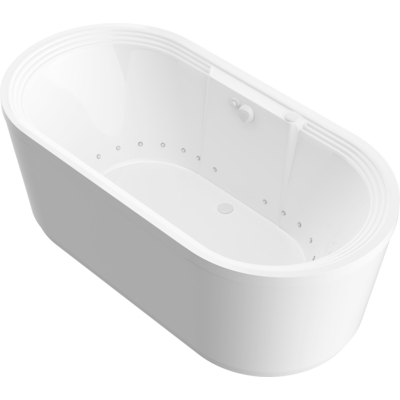
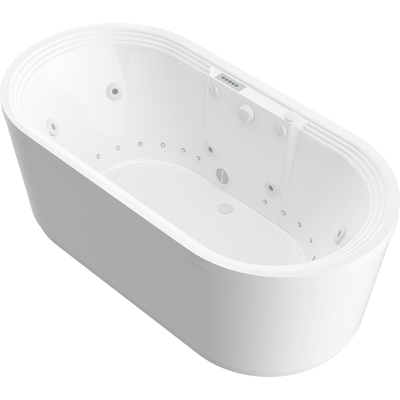
Browse the full bathtub collection to filter oval tubs by material, width, and tub type, including soaking, air, and whirlpool versions.
 FILTER BY

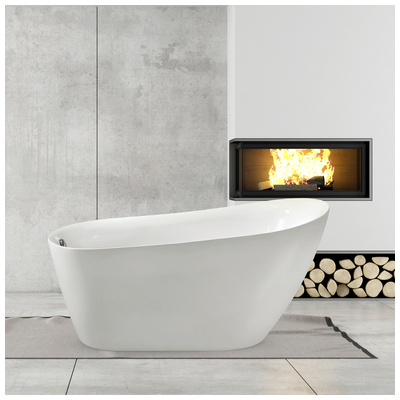
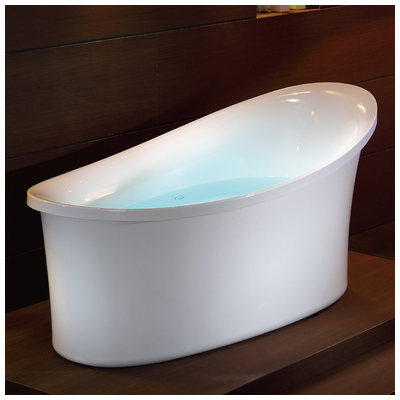
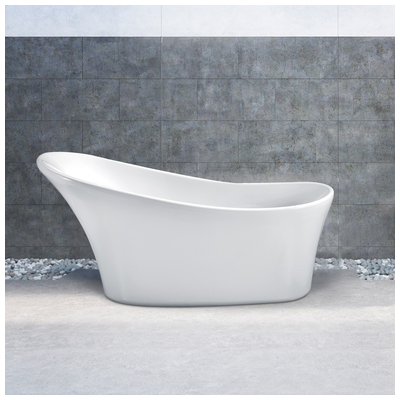
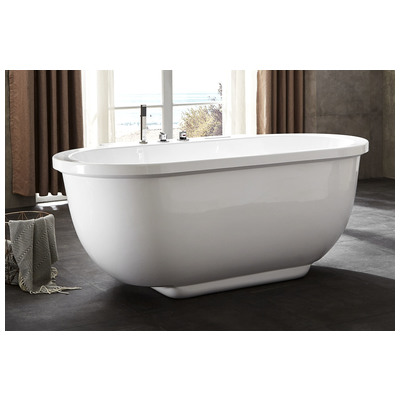
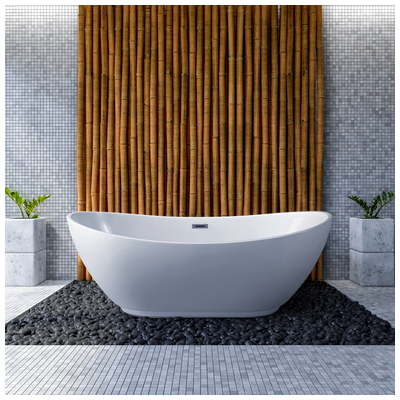

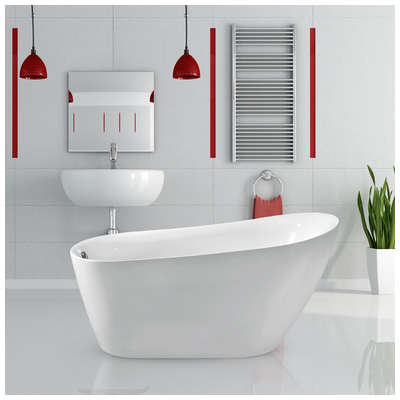
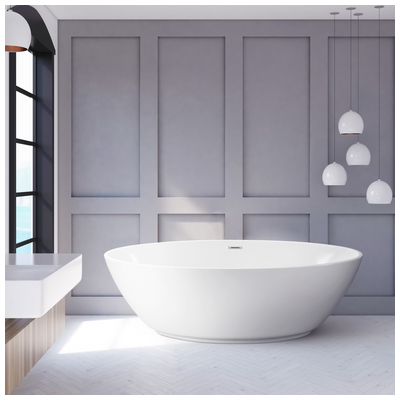

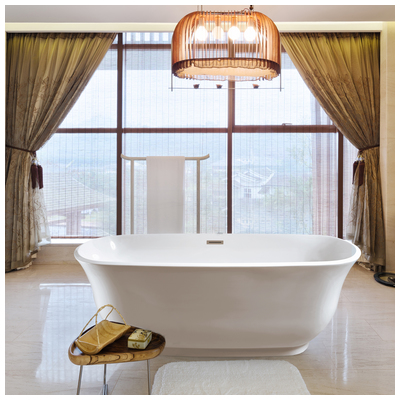












Frequently Asked Questions
Why does an oval bathtub feel different from a rectangular one?
The curved interior of an oval tub tapers toward the head and foot, which keeps the bather centered and reduces the volume of water needed to reach shoulder depth. Rectangular tubs have uniform depth wall-to-wall, so water spreads to the corners. In an oval, the water concentrates around the body, which means a faster fill and better heat retention during a soak.
Can an oval tub be installed in an alcove?
Generally no. Alcove framing assumes a flat-sided tub with an apron that meets the surround tile at a 90-degree angle. An oval shell leaves crescent-shaped gaps at each end where it meets the back wall, which are difficult to waterproof. Oval tubs are designed for freestanding placement or for dropping into a custom-built deck that follows the curve.
What faucet style works best with an oval tub?
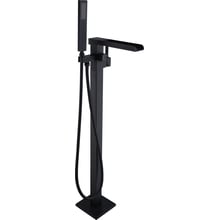
A freestanding floor-mount tub filler is the most common pairing because the curved rim usually has no flat ledge for a deck-mount faucet. Wall-mount spouts also work if the tub sits close to a wall. Whichever you choose, position the spout at the wider midsection of the oval — not at the tapered end — so water fills toward the bather rather than the foot.
Does the oval shape limit who can comfortably use the tub?
Oval tubs are typically single-bather designs. The tapered ends narrow the foot and head zones, so two adults sitting opposite cannot interlock legs the way they can in a wider rectangular two-person tub. If you want a shared soak, look for ovals 67 inches or longer with a wider center or consider a rectangular model designed for two.
How do I clean around the curves of an oval tub?
Plan for access. Leave at least 4–6 inches of clearance behind a freestanding oval so a cloth and a long-handled brush can reach the floor and the lower shell. Dust and hair collect under the curve where it meets the floor, and a tub pushed tight to a wall traps lint that is hard to remove without moving the tub — which is impractical with cast iron or stone resin models.