




































Rectangular Bathtubs for Modern Bathrooms
A rectangular bathtub delivers the cleanest line in the bathroom — four straight sides, sharp 90-degree corners, and a footprint that maps directly onto standard 60-inch alcove framing. That geometry is why rectangular remains the default shape for new construction and renovations: the tub drops between two studs without custom framing, and the apron meets the surround tile in a flush vertical plane.
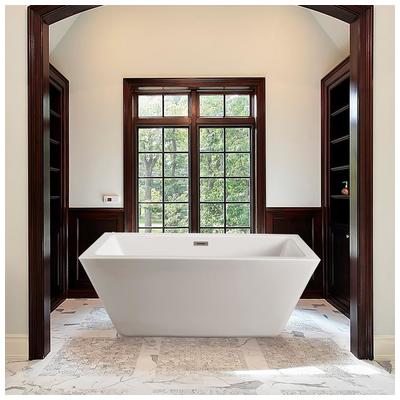
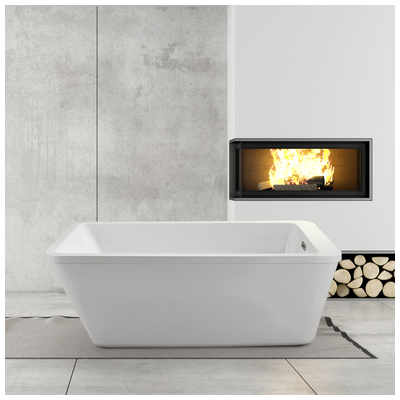
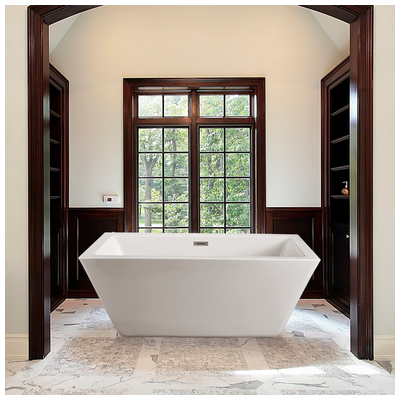
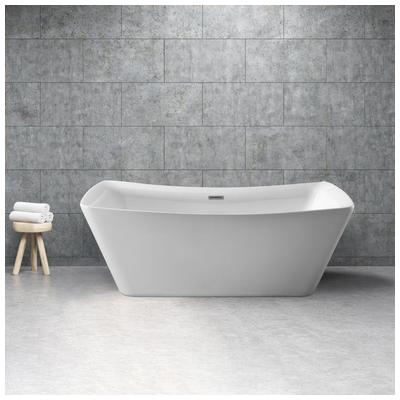
Beyond the alcove, rectangular shapes have become the signature of modern freestanding tub design, where the squared silhouette reads as architectural rather than ornamental. Compare them to oval bathtubs if you prefer a softer, more traditional spa profile.
Rectangular tubs also make the most efficient use of interior bathing space — water depth stays uniform end-to-end, and the flat side walls give a second bather room to share without the tapered shoulder room of an oval basin.
 FILTER BY


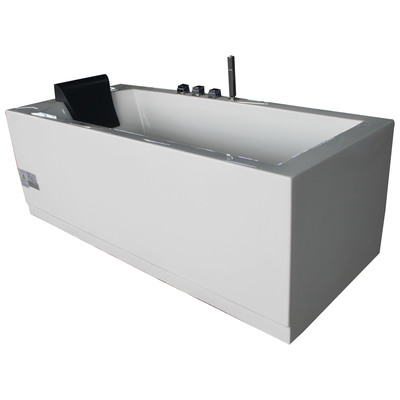
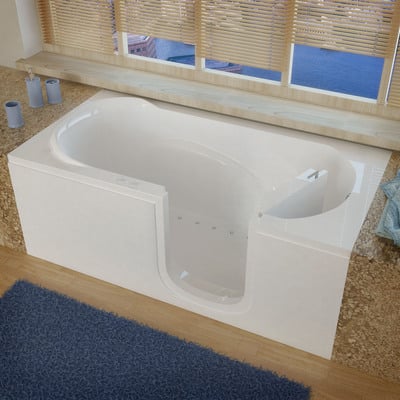
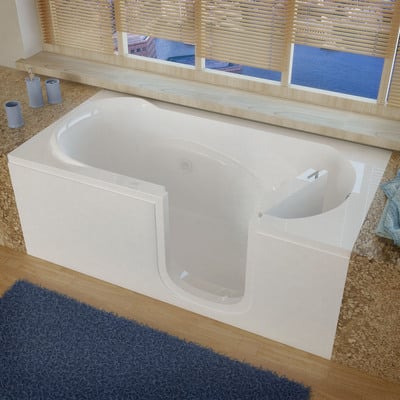
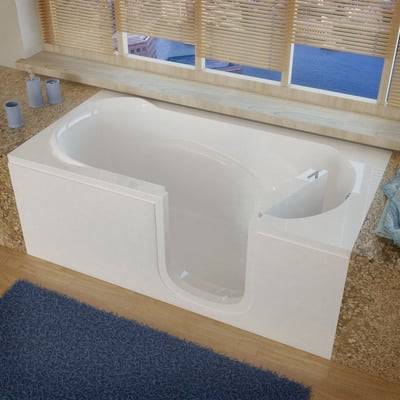
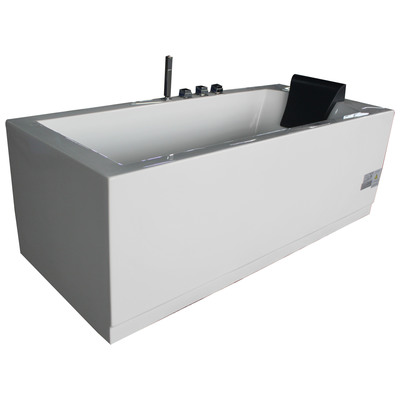
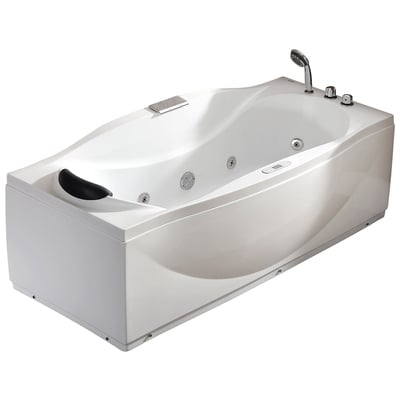
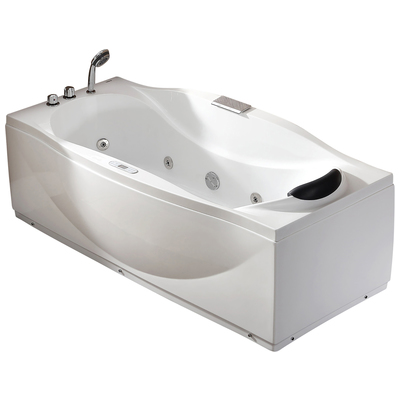
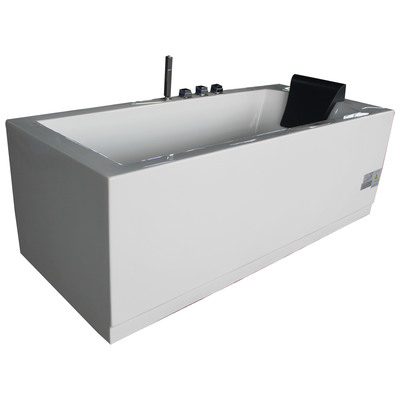
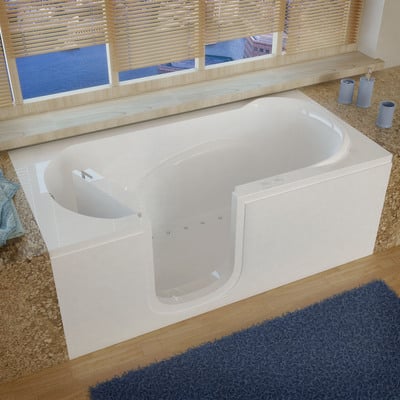
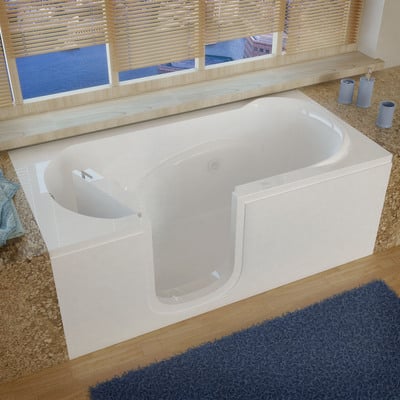
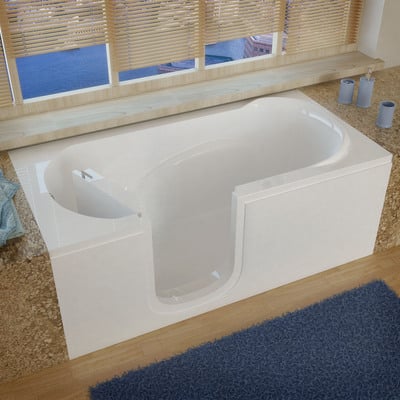
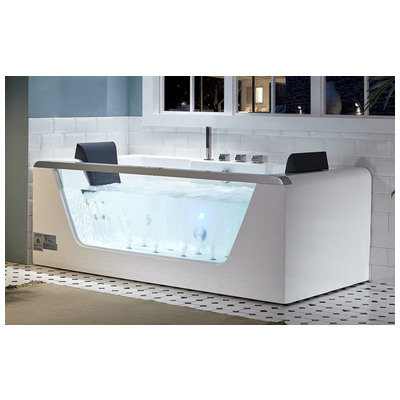

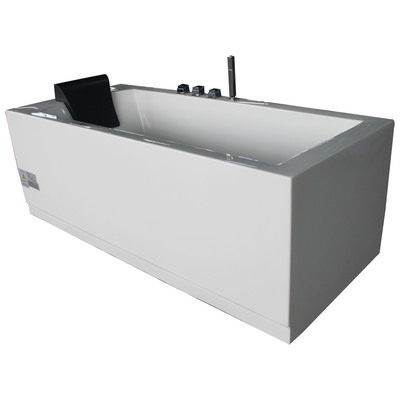
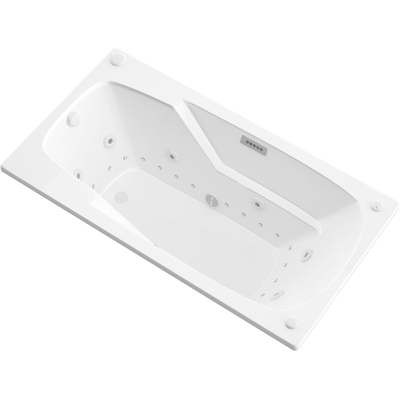
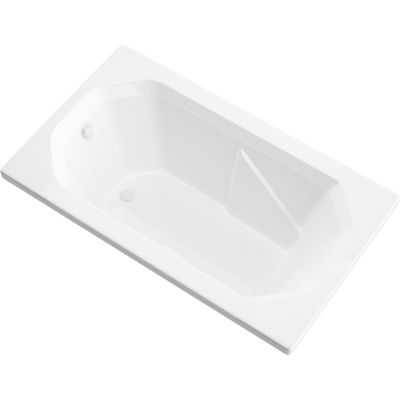
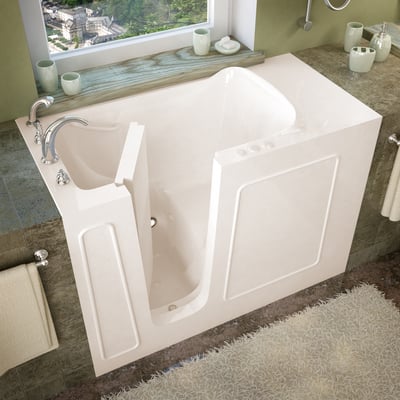
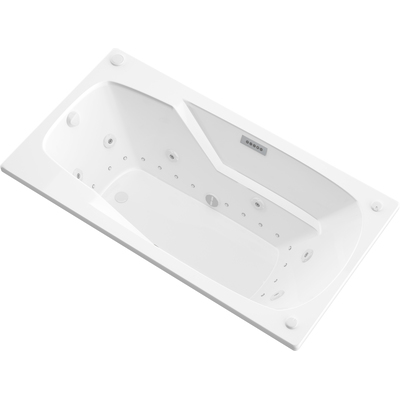
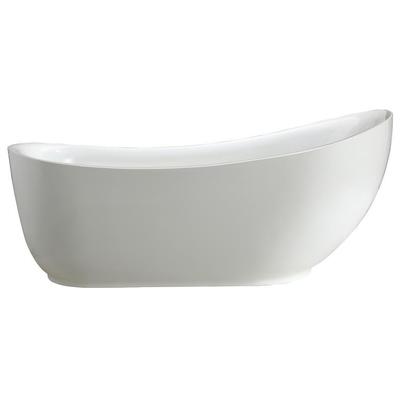
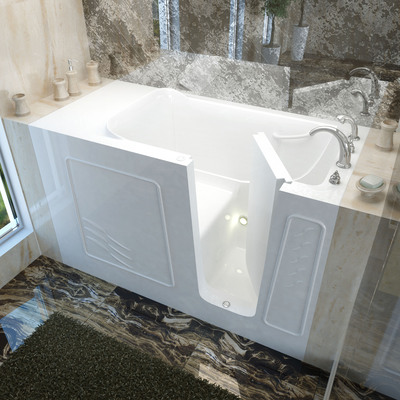
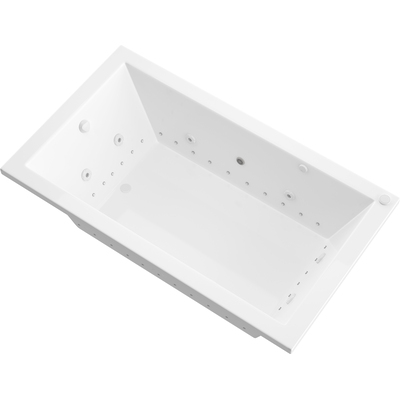

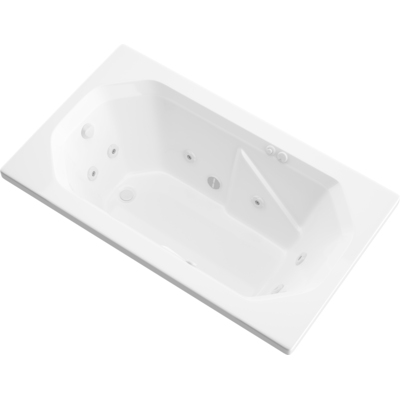
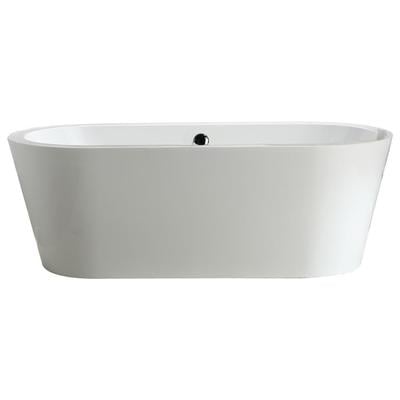
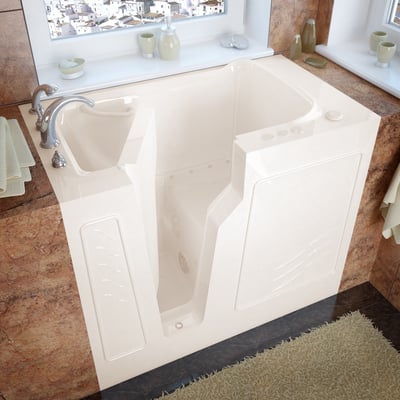
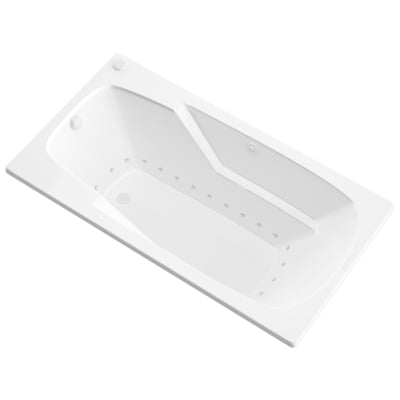
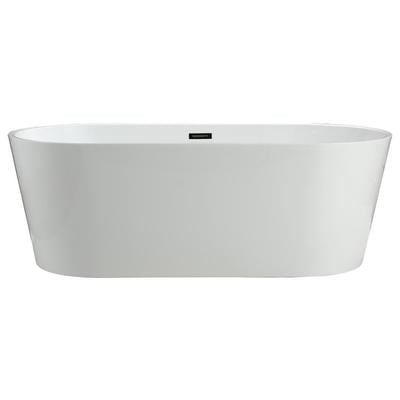
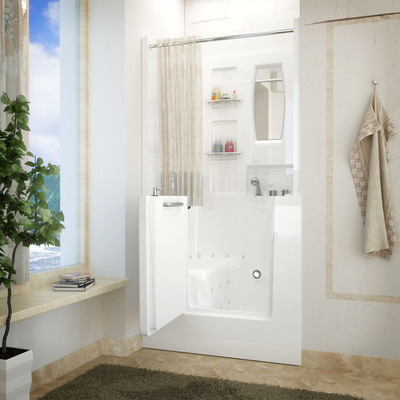
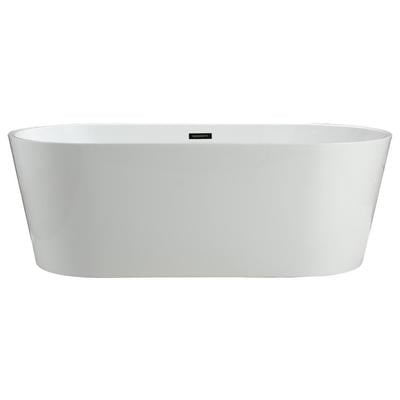


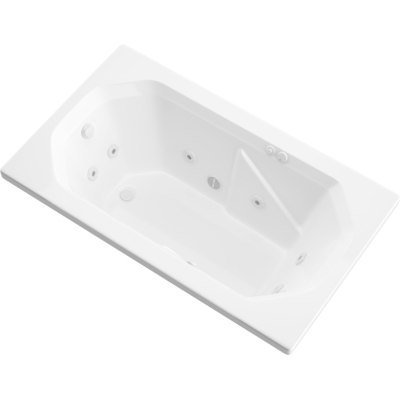
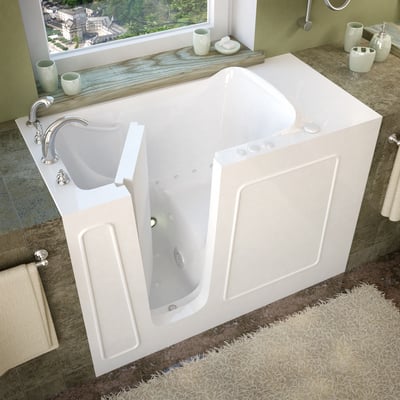

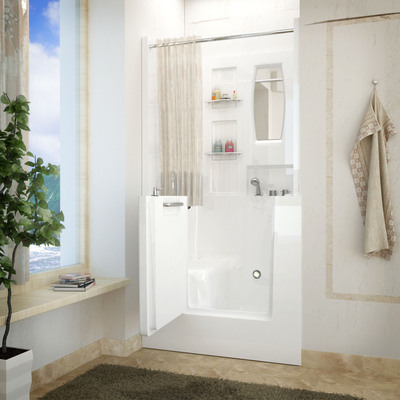

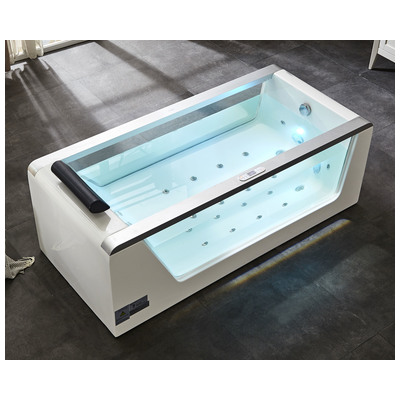
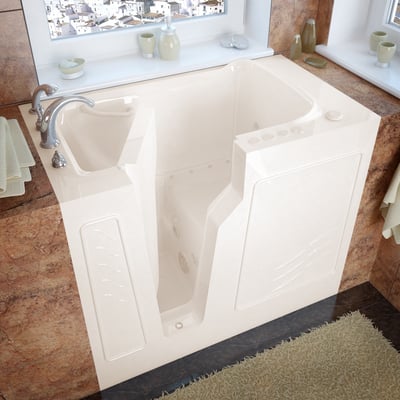

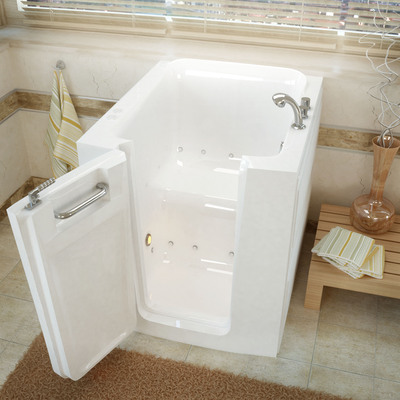
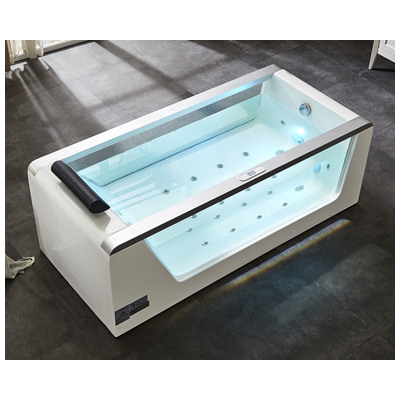

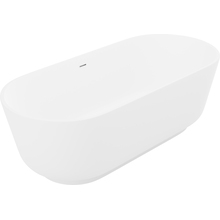
Meditub Atlantis Whirlpools Eros 32 x 60 Rectangular Whirlpool Jetted Bathtub, 848308006788, 3260EWL
Frequently Asked Questions
Does a rectangular bathtub fit standard alcove framing?
Yes — most 60-inch rectangular tubs are designed to drop into a standard alcove framed at 60 inches between studs with a 30 to 32 inch depth. Larger rectangular sizes (67, 70, 72 inches) require custom framing or are intended for freestanding placement, where the tub stands clear of the walls and width is not constrained by stud spacing.
Are rectangular tubs better for two bathers than oval tubs?
Generally yes. The parallel side walls of a rectangular basin give both bathers equal shoulder room end-to-end, while an oval tub tapers at the head and foot. For two-person soaking, look for rectangular tubs 67 inches or longer with center drains and dual sloped backrests, which let both users recline without competing for legroom.
What faucet style works best with a rectangular freestanding tub?
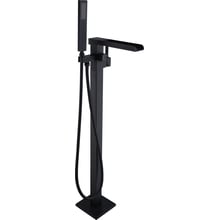
A floor-mount tub filler with a square or rectangular profile reinforces the architectural lines of the tub. Position it at the end wall behind the headrest rather than the long side — this keeps the bather's view down the length of the tub clear and centers the spout over the drain. Wall-mount fillers also work if plumbing runs through an adjacent wall.
How do I clean the sharp inside corners of a rectangular tub?
The 90-degree inside corners trap soap residue more than curved tubs do. Use a soft-bristle detail brush weekly to reach the corner seams, and avoid abrasive pads that can dull acrylic or chip enameled cast iron. For tubs with a tight floor-to-wall radius, a silicone caulk renewal every two to three years prevents mildew from settling in the corner.
What style of bathroom suits a rectangular bathtub?
Rectangular tubs read as modern, contemporary, and minimalist. They pair naturally with large-format porcelain tile, slab stone surrounds, matte black or brushed nickel fixtures, and flat-panel vanities. They also work in transitional bathrooms when softened with warm wood vanities and woven textures. They are the least suited shape for Victorian or farmhouse styles, where clawfoot or oval tubs feel more authentic.