









































Freestanding Bathtubs for Open Bathroom Layouts
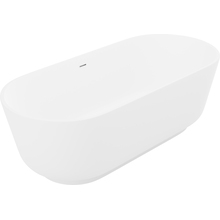
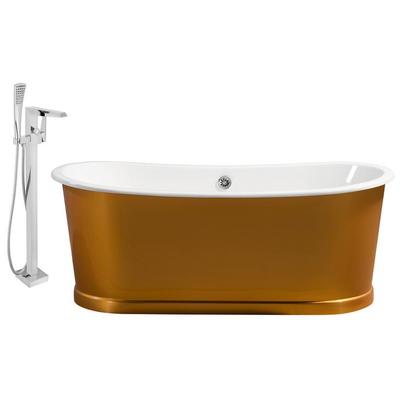
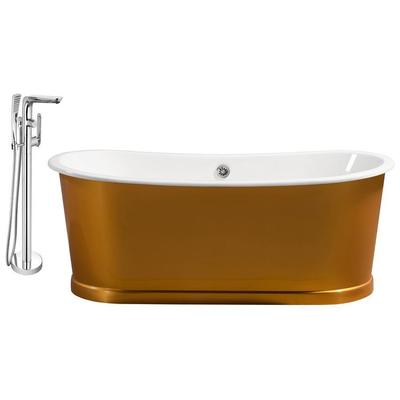
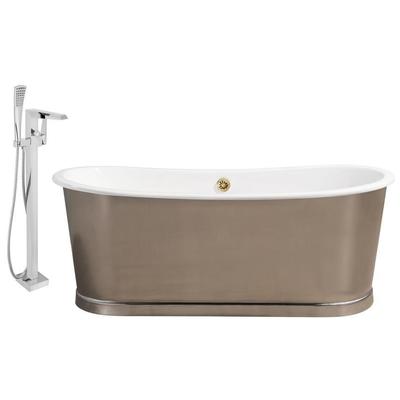
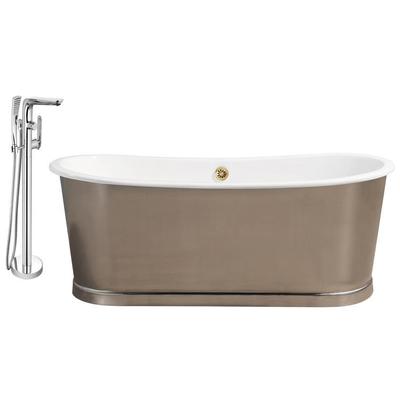
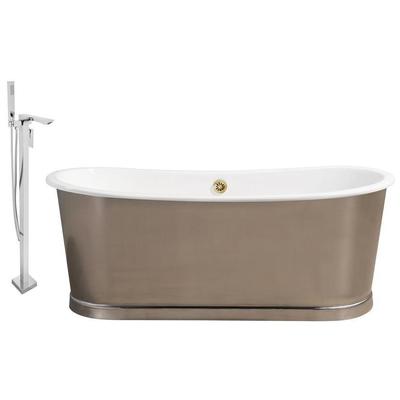
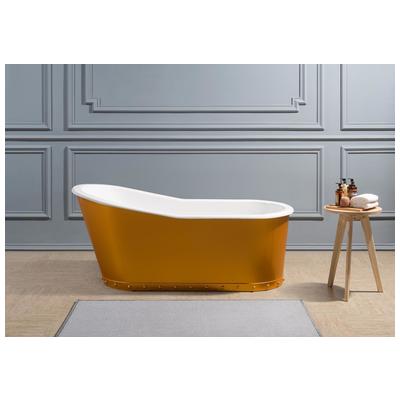
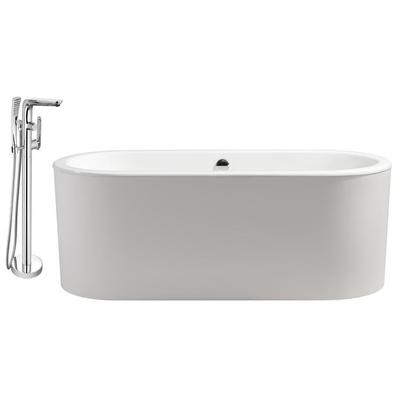
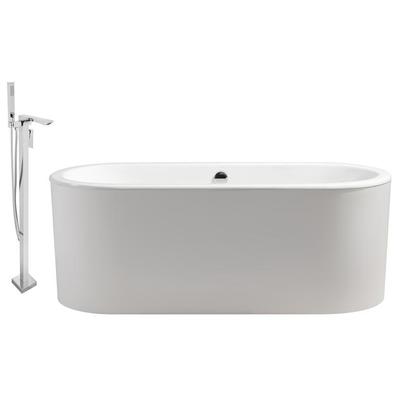
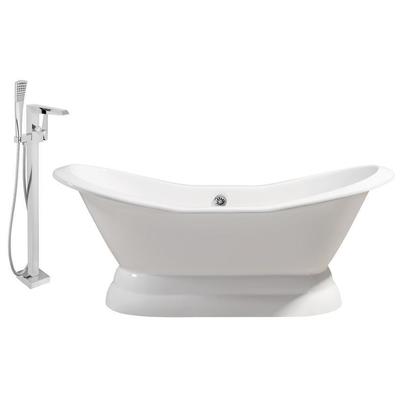
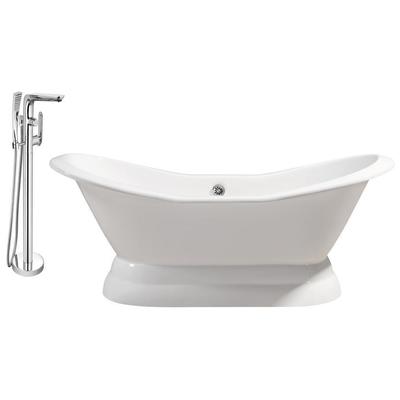
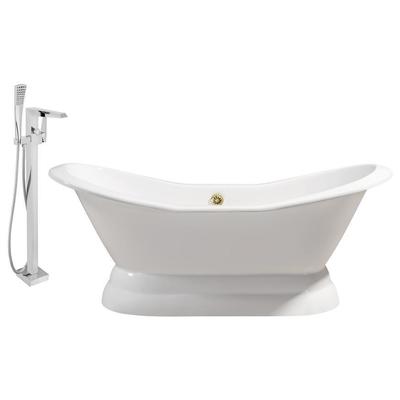
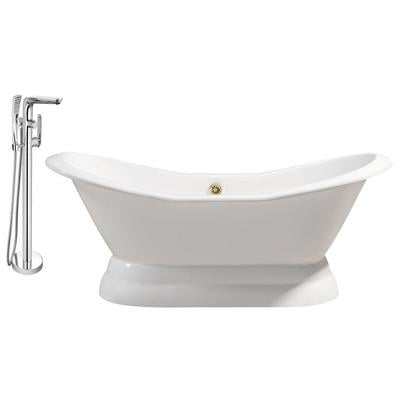
Freestanding bathtubs are the centerpiece of an open primary bath — finished on all four sides, set on the floor without a surround, and visible from every angle. That visibility changes how you plan the room: the tub's silhouette, base, and drain location all become part of the design, not hidden behind tile.
The defining requirement is a floor-mounted drain rough-in. The drain pipe must come up through the finished floor at a precise location specified by each tub manufacturer, which means swapping a freestanding model for a different one mid-project usually requires opening the floor. Faucet placement is equally specific — most pair with a floor-mounted tub filler or a wall-mount spout positioned for the tub's overflow side.
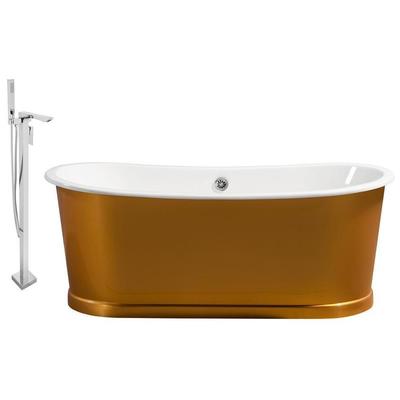
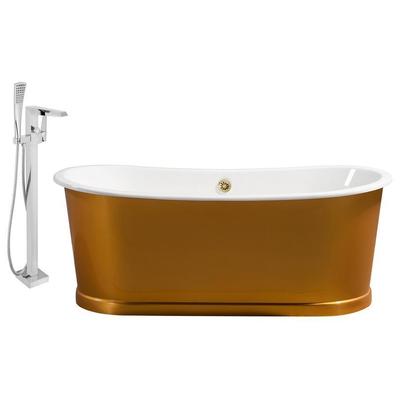
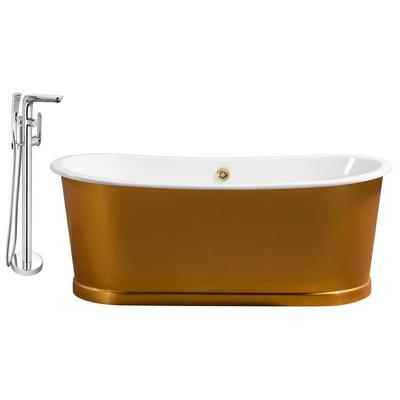
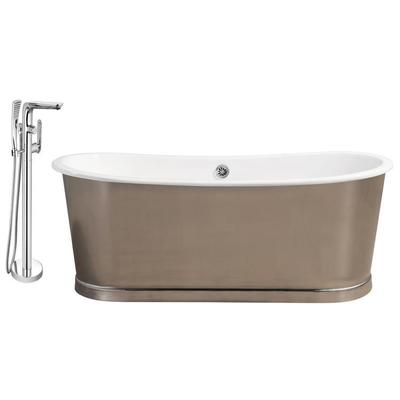
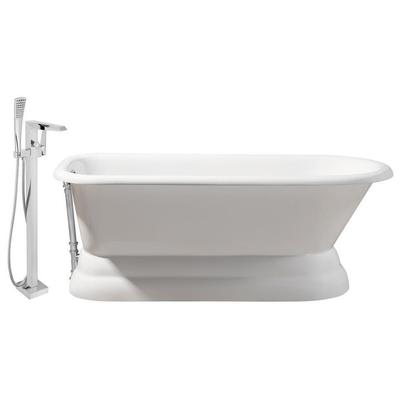
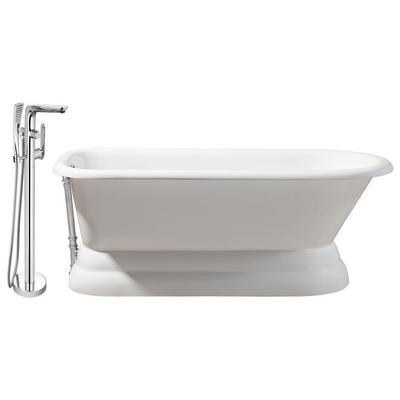
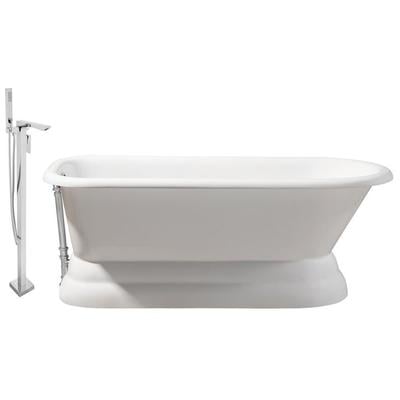
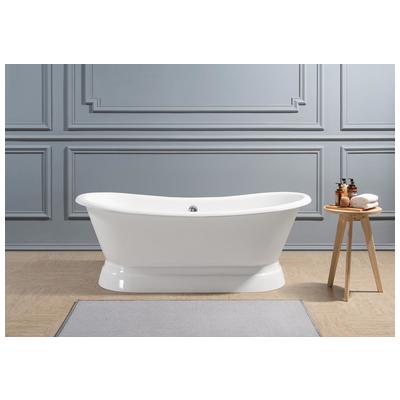
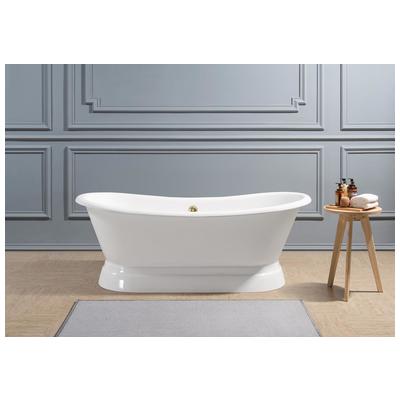
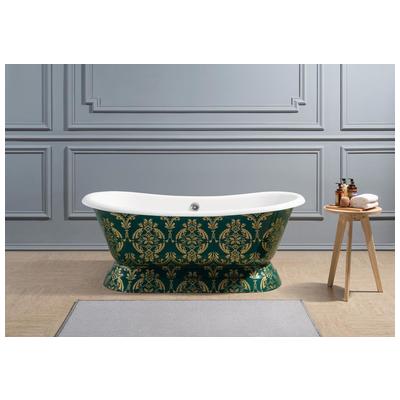
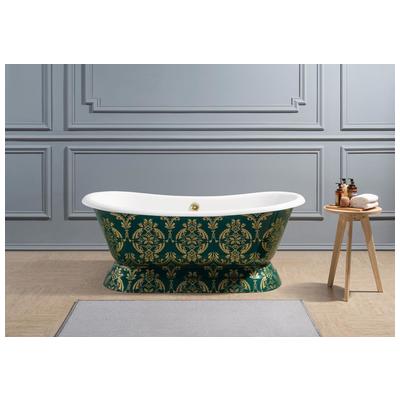
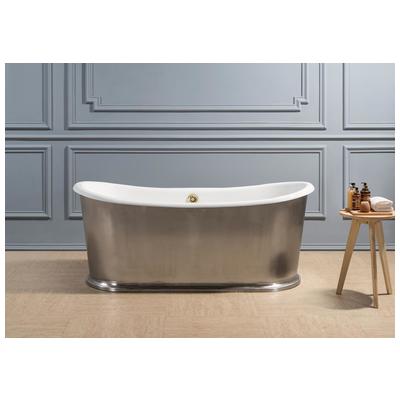
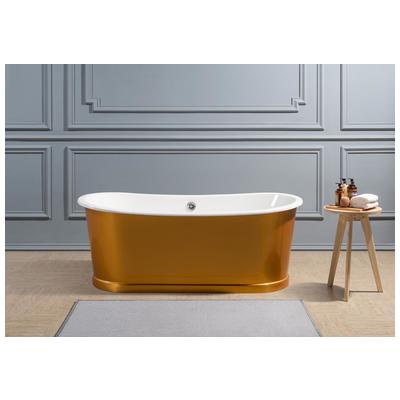
Browse by acrylic freestanding tubs for lighter weight and easier delivery, cast iron freestanding tubs for heat retention and silence, or filter by 60-inch length and oval shapes to fit your floor plan.
 FILTER BY

















Frequently Asked Questions
Does a freestanding bathtub require a special drain installation?
Yes. Freestanding tubs use a floor-mounted drain rough-in, meaning the drain pipe must come up through the finished floor at a precise location specified by the tub's spec sheet. This is different from alcove tubs, where the drain runs to a wall-end stub-out. Retrofitting a freestanding tub into a former alcove location requires opening the floor or running a new drain line — a meaningful plumbing cost to budget for.
Do I need extra floor support for a freestanding tub?
It depends on the material. A cast iron freestanding tub can weigh 350 pounds empty and exceed 800 pounds filled with water and a bather. Standard 2x10 joists at 16-inch spacing handle this, but adding a sister joist directly beneath the tub footprint is a common precaution on second floors. Acrylic freestanding tubs at 70–90 pounds empty rarely need reinforcement.
What kind of faucet works with a freestanding tub?
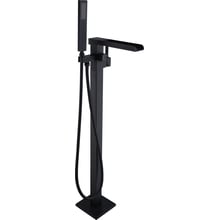
Three options: a floor-mounted tub filler that rises from its own floor rough-in beside the tub, a wall-mount spout aligned with the tub's overflow end, or a deck-mount faucet if the tub has a flat rim wide enough to drill. Floor-mount is the most common pairing and the most flexible for room layout, but it adds a second plumbing rough-in alongside the drain.
How much clearance does a freestanding tub need around it?
Plan for at least 4–6 inches of clearance on every side, and ideally 12+ inches on the access side. Unlike alcove tubs that hide three walls, freestanding tubs expose the back and sides — which collect dust and water spots. You also need room to reach behind for cleaning. Tight clearances make a freestanding tub harder to maintain than its sculptural look suggests.
Will a freestanding bathtub fit through a standard bathroom door?
Most do, but check before you order. A standard interior door is 32 inches wide, and freestanding tubs are typically 28–34 inches wide at their widest point. Larger 67- and 72-inch tubs in stone resin or cast iron can exceed door clearance and may need to be brought in before walls close, or angled through a 36-inch door. Confirm the tub's overall width against your delivery path.