







































Bathtubs for Every Bathroom Layout
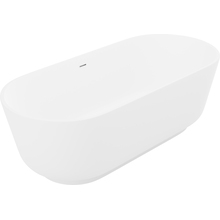
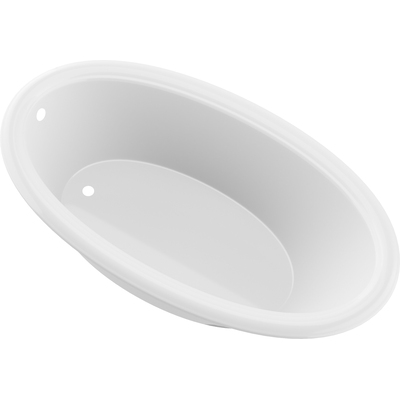
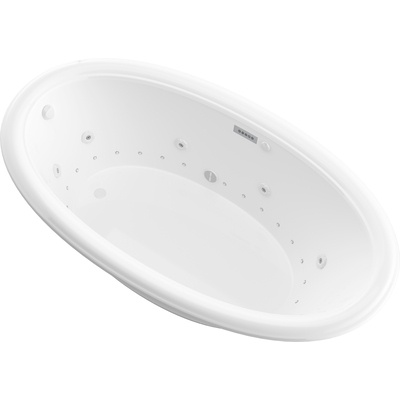
Bathtubs are the anchor of any bathroom remodel, and the right tub depends on three intersecting decisions: how it installs against your existing plumbing, what it's made of, and how deep you want to soak. Our catalog spans drop-in alcove replacements that fit standard 60-inch stud framing, statement oval freestanding tubs that need a floor-mounted drain rough-in, and powered whirlpool and air models that require a dedicated GFCI circuit.
Material drives both feel and structural planning. A 60-inch acrylic tub weighs 60–80 pounds empty and warms quickly, while a comparable cast iron model can hit 350 pounds before water and may call for a sister joist on second-floor installations. Copper, solid surface, and stone resin sit between those extremes with strong heat retention.
For pure relaxation without electrical work, browse soaking tubs; for a clean classic look, white tubs remain the most versatile finish.
 FILTER BY


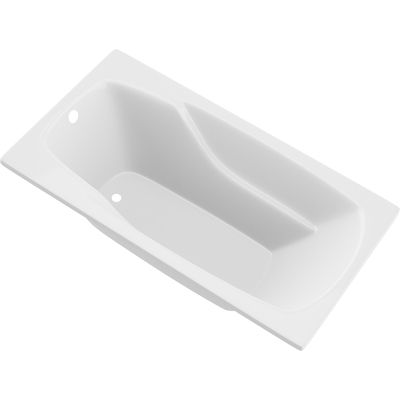


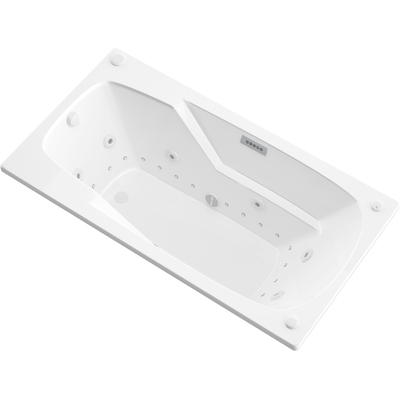

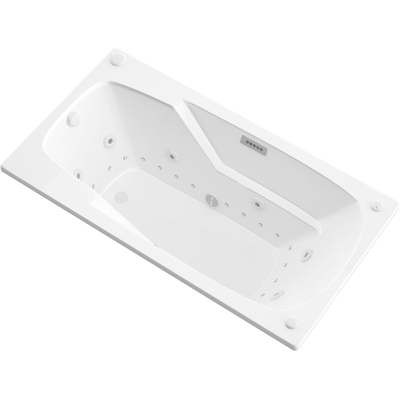



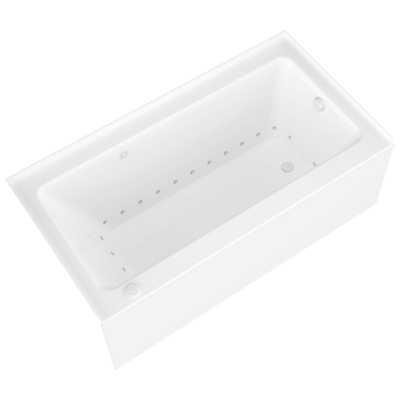
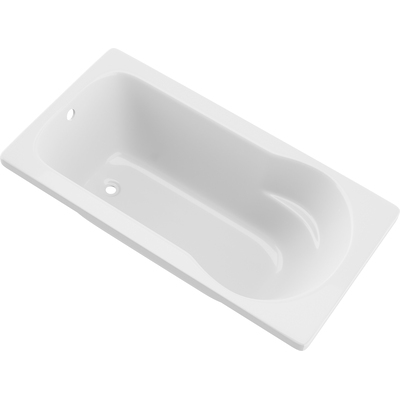
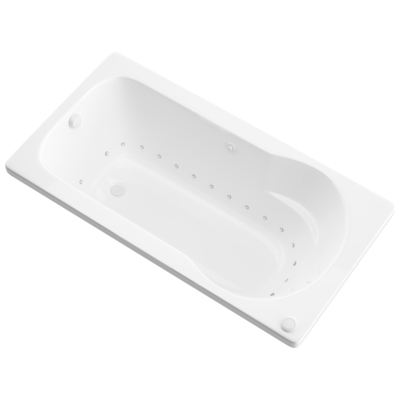
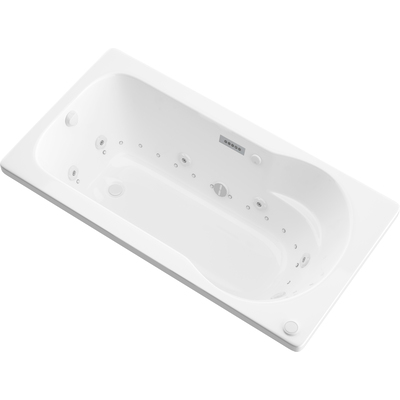
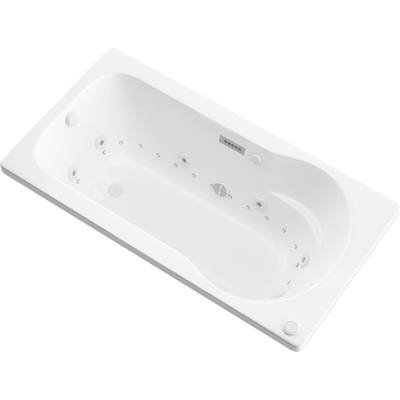
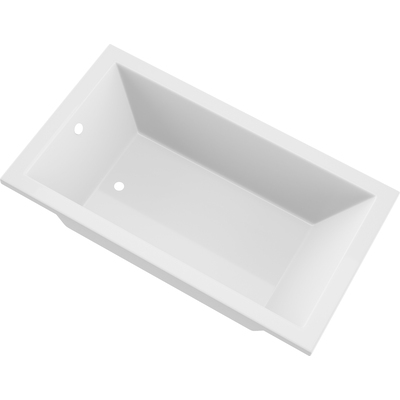
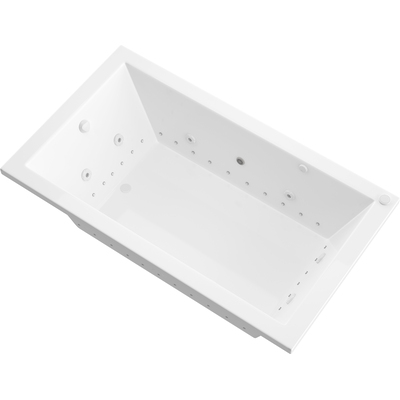
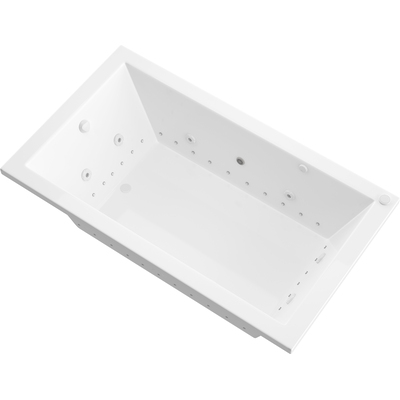
Meditub Atlantis Whirlpools Eros 32 x 60 Rectangular Whirlpool Jetted Bathtub, 848308006788, 3260EWL

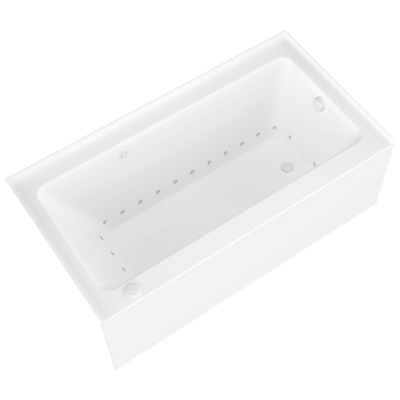
Meditub Atlantis Whirlpools Eros 32 x 60 Rectangular Whirlpool Jetted Bathtub, 848308006795, 3260EWR














Frequently Asked Questions
What size bathtub fits a standard US bathroom?
Most US bathrooms are framed for a 60-inch by 30–32-inch alcove tub with a 14–16-inch interior depth. That footprint matches the stud bay between the surrounding walls and aligns with the standard drain rough-in 14 inches from the end wall. Going wider than 60 inches, or switching to a freestanding shape, usually requires reframing or relocating plumbing.
Do I need to reinforce the floor for a new bathtub?
Most acrylic and fiberglass tubs weigh under 80 pounds empty and impose no special load on standard 2x10 joists at 16-inch spacing. Cast iron, copper, and stone resin tubs can exceed 600 pounds when filled with water and a bather. On second-floor installations, adding a sister joist directly beneath the tub is a common precaution and is often required by local code for tubs over 80 gallons.
What's the difference between a soaking, whirlpool, and air tub?
A soaking tub has no jets or pump — it relies on water depth (often 18+ inches) for relaxation and needs no electrical work. A whirlpool recirculates tub water through pressurized jets for targeted hydrotherapy and is the loudest of the three. An air tub pushes warmed air through small holes for a gentler, quieter massage. Whirlpool and air models both require a dedicated 20-amp GFCI circuit.
Which bathtub material holds heat the longest?
Cast iron retains heat the longest because the iron mass absorbs and re-radiates warmth into the water. Copper and solid surface follow closely. Acrylic and fiberglass lose heat fastest unless the shell is factory-insulated with foam — a feature worth confirming on the spec sheet if you take long soaks. Adding a tub heater is only practical with a recirculating whirlpool system.
Can I install a freestanding tub where an alcove tub used to be?
Yes, but the drain must be relocated. Alcove tubs use a wall-end drain, while freestanding tubs use a floor-mounted drain rough-in at a precise location specified by the manufacturer — usually centered under the tub. That means opening the floor or ceiling below to run new drain and overflow lines. The faucet supply also changes, often to a floor-mount tub filler that requires its own rough-in.