





































Acrylic Bathtubs for Easy Installation
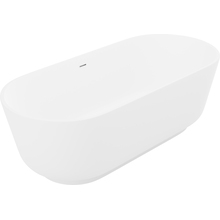
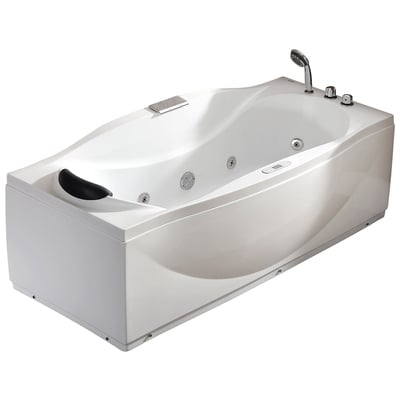
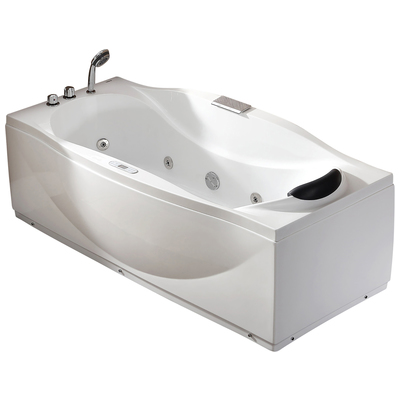
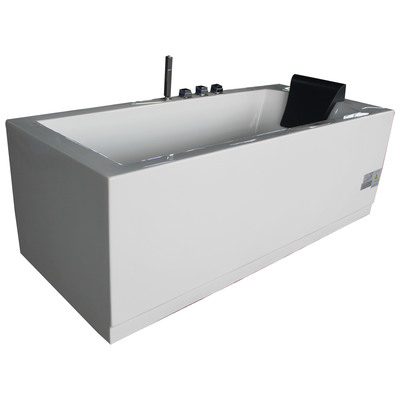
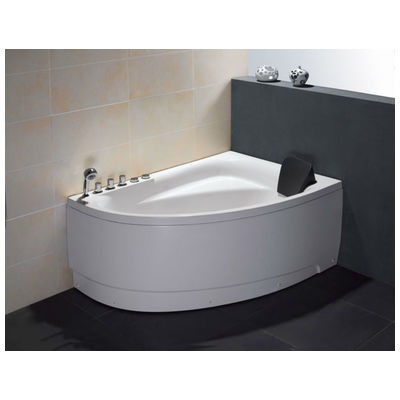
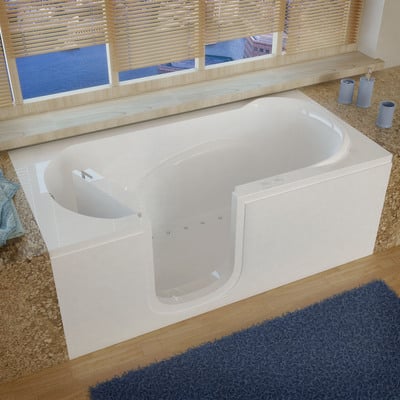
An acrylic tub is the lightest hard-surface bathtub option on the market — a 60-inch model typically weighs 60 to 80 pounds empty, compared with 250–350 pounds for cast iron. That weight difference matters for second-floor bathrooms, retrofit projects, and any installation where a single installer needs to maneuver the tub up a staircase or through a 32-inch doorway.
Acrylic is a vacuum-formed sheet reinforced with fiberglass on the back, giving it a warm-to-the-touch surface that doesn't shock bare feet the way enameled cast iron does. The non-porous finish resists mildew and can be buffed and refinished if it scratches — a repair option not available on most other tub materials. Compare with our cast iron tubs for heat retention or copper tubs for statement design, or browse the broader bathtub collection.
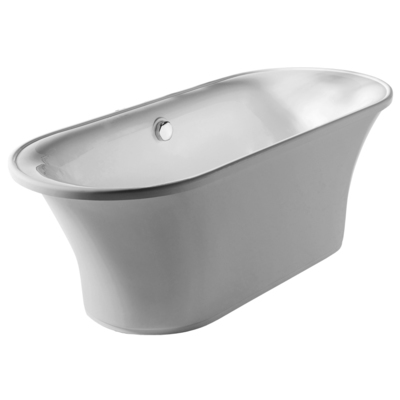
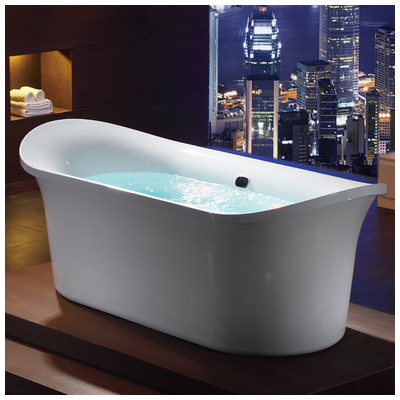
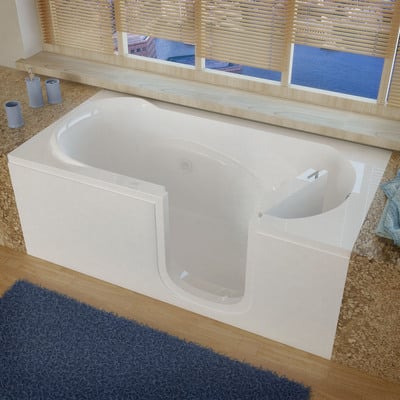
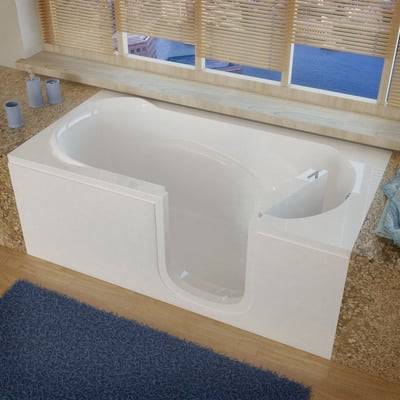
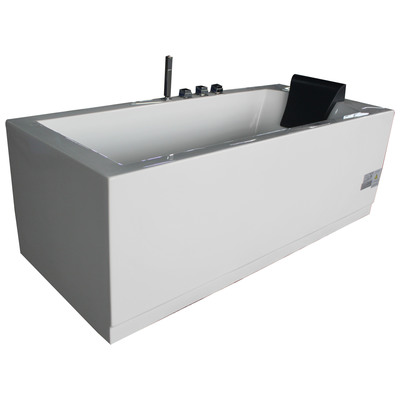
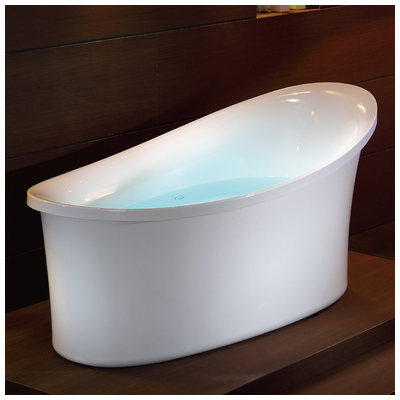
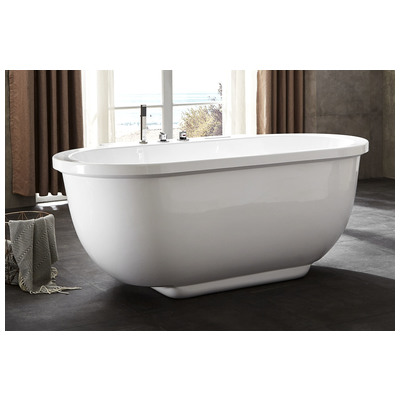
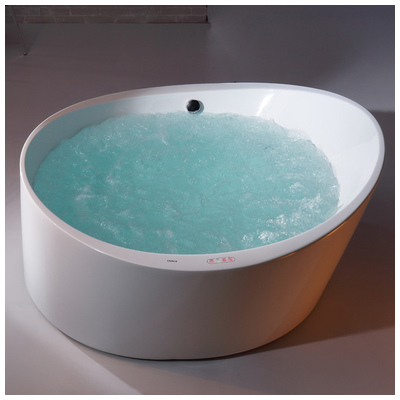
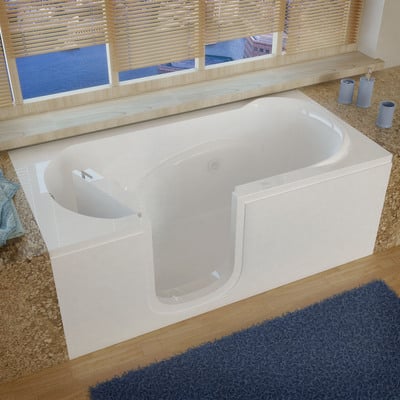
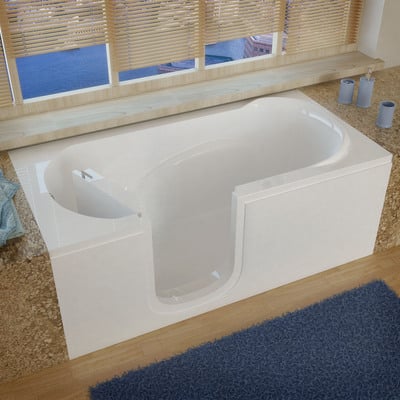
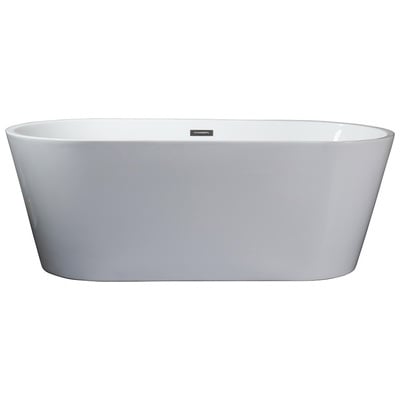
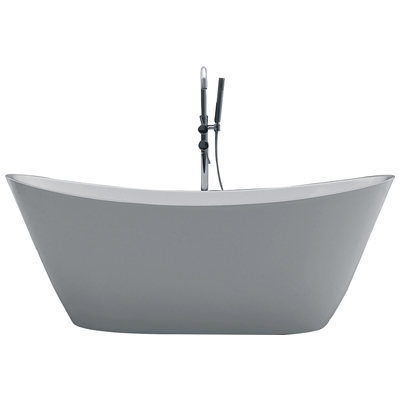
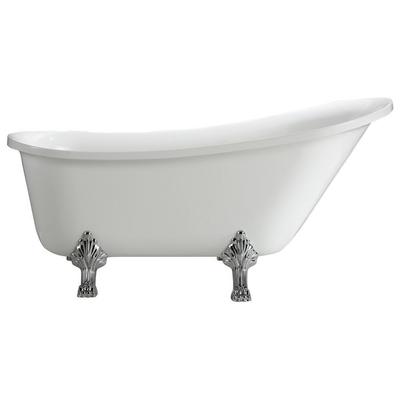
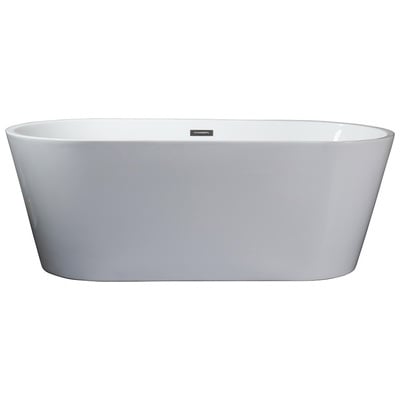
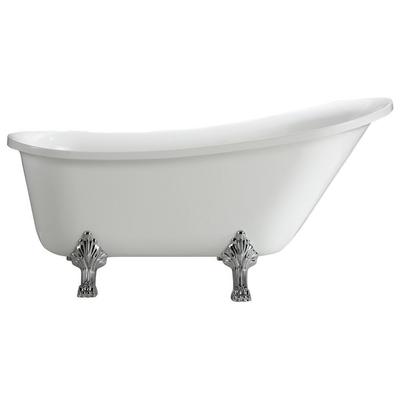
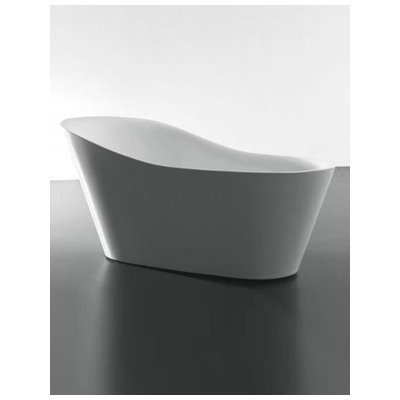
Most acrylic models are also available in freestanding configurations, where the low weight is a major installation advantage.
 FILTER BY









Frequently Asked Questions
Can an acrylic tub be repaired if it gets scratched or cracked?
Yes — this is one of acrylic's biggest advantages. Surface scratches can be wet-sanded with progressively finer grits (starting around 600) and buffed back to a gloss with acrylic polish. Hairline cracks in the fiberglass-backed shell can be filled with a two-part acrylic repair kit and color-matched. Cast iron and porcelain chips, by contrast, expose raw metal that rusts.
Does an acrylic tub need extra floor support?
Almost never. A 60-inch acrylic tub weighs 60–80 pounds empty and roughly 450 pounds filled with water and a bather — well within the 40 psf live load that standard 2x10 floor joists at 16-inch spacing are framed to handle. This is a key reason acrylic dominates second-floor and condo bathroom installations where adding a sister joist isn't practical.
How do I keep an acrylic tub warm during a long soak?
Acrylic conducts heat away from water faster than cast iron or copper. Choose a model with a foam-insulated shell bonded to the back of the acrylic — this can extend comfortable soak temperature by 30–45 minutes. Pre-warming the tub by running hot water over the empty shell for 30 seconds before filling also helps, since the acrylic itself absorbs less heat from the bathwater.
What cleaners are safe to use on an acrylic bathtub?
Use non-abrasive bathroom cleaners or a mix of warm water and dish soap with a soft microfiber cloth. Avoid acetone, paint thinner, ammonia, and abrasive pads — these dull or craze the acrylic surface permanently. For soap scum, white vinegar diluted 1:1 with water is safe. For tough mineral deposits, use a baking soda paste rather than a powdered scouring cleanser.
Are acrylic tubs compatible with whirlpool and air jet systems?
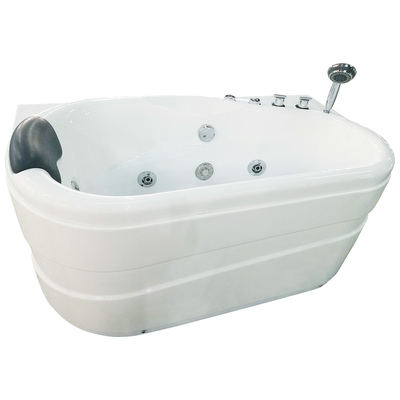
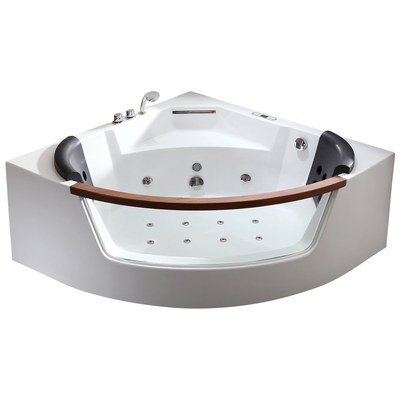
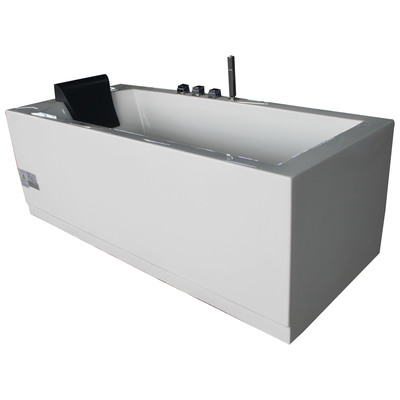
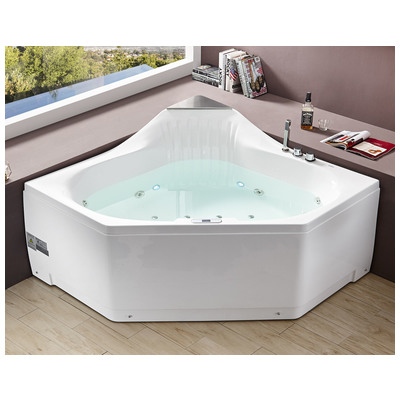
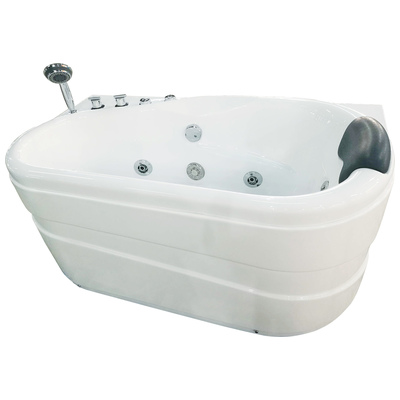
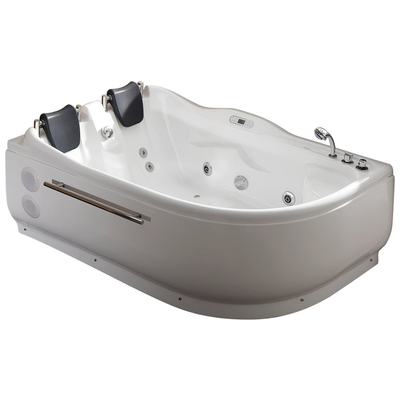
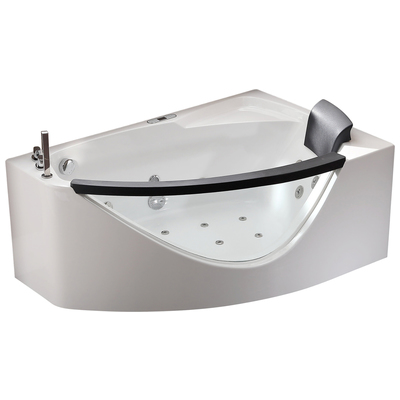
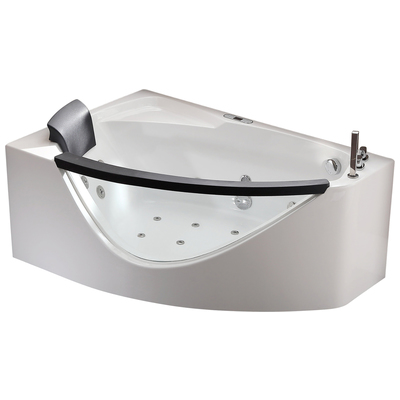
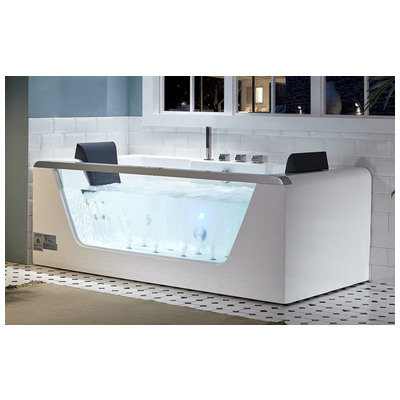
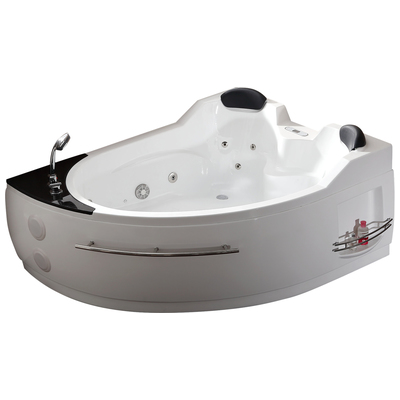
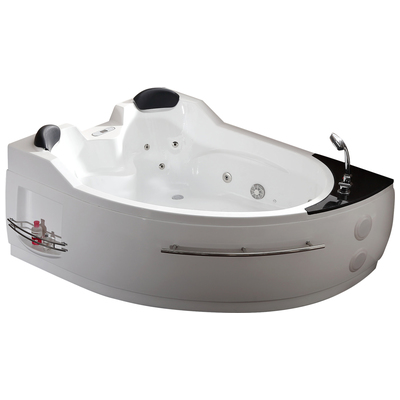
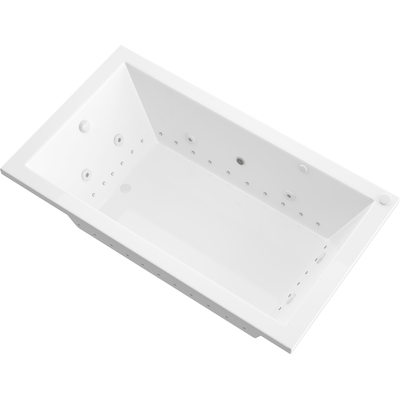
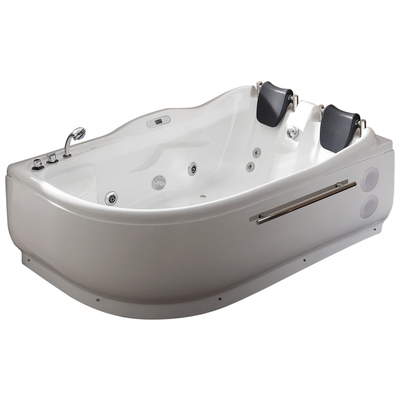
Yes — acrylic is the most common shell material for jetted, whirlpool, and air bath tubs because it's easy to mold around jet ports and lightweight enough to support the added pump and motor weight. Cast iron and copper are rarely used for jetted systems. Any acrylic tub with jets requires a GFCI-protected 20-amp dedicated circuit per US electrical code.