











































White Bathtubs for Every Bathroom Style
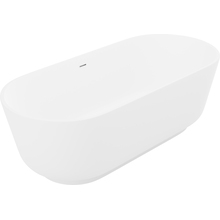
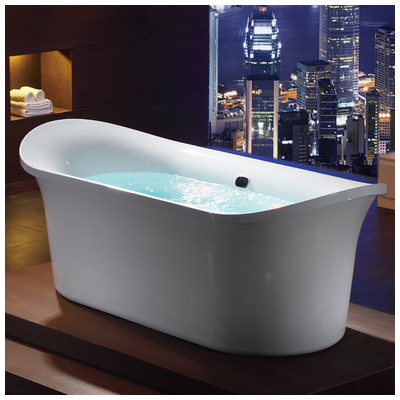
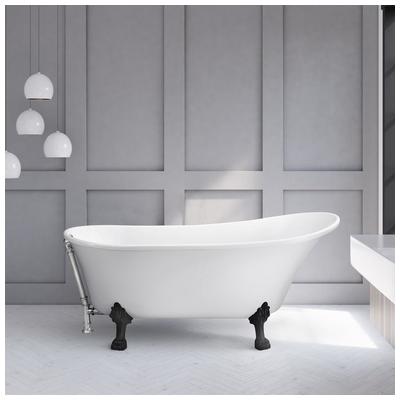
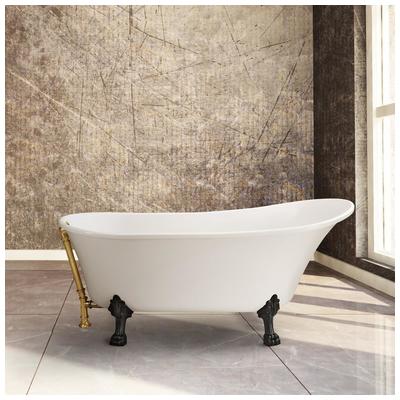
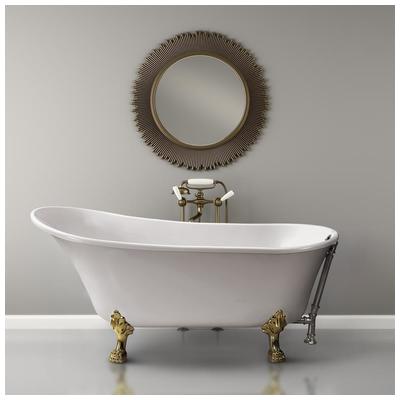
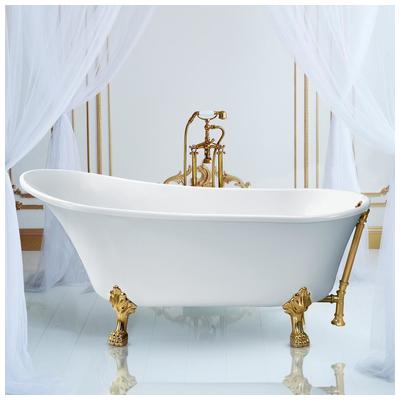
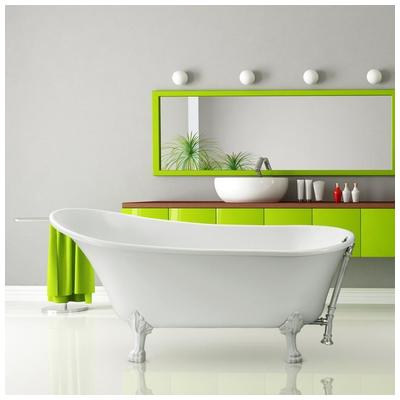
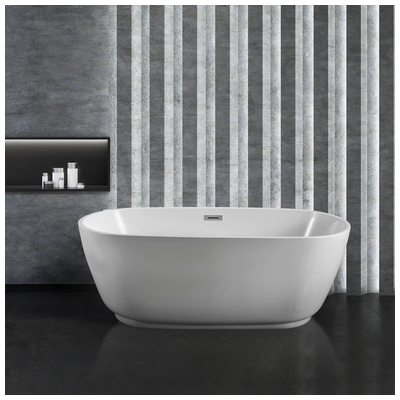
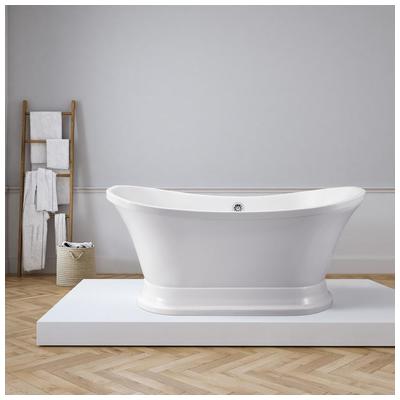
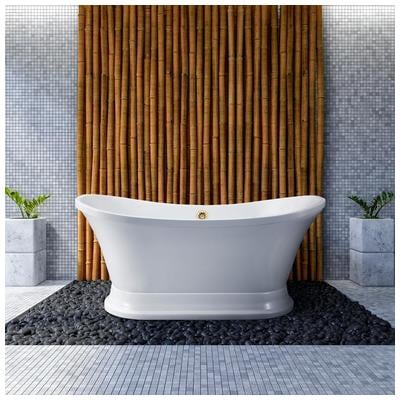
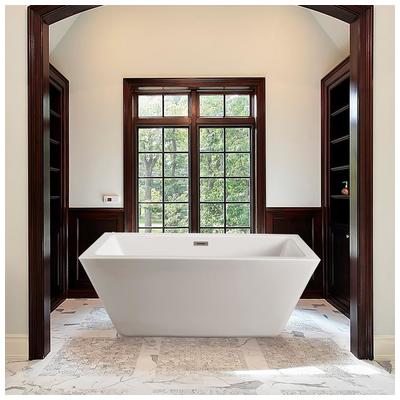
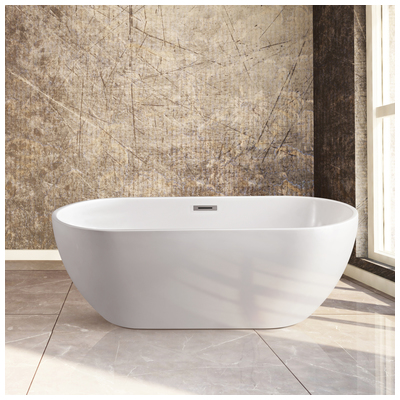
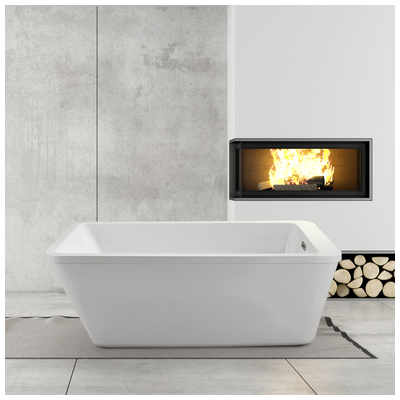
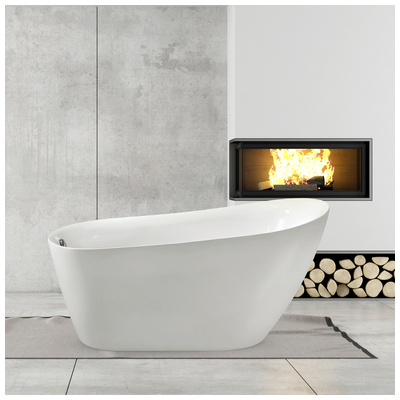
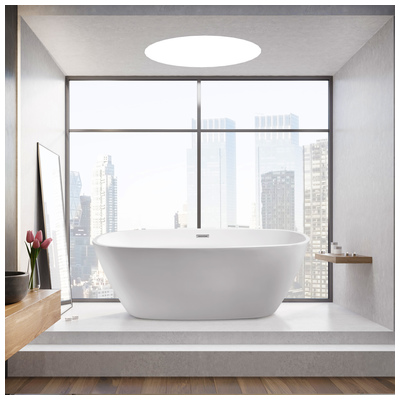
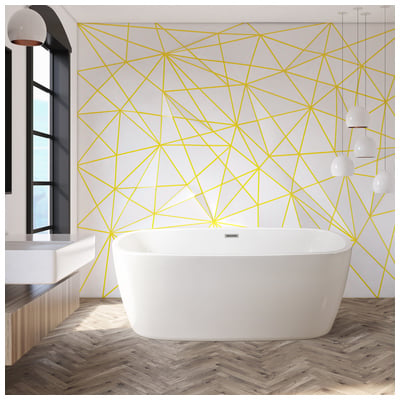
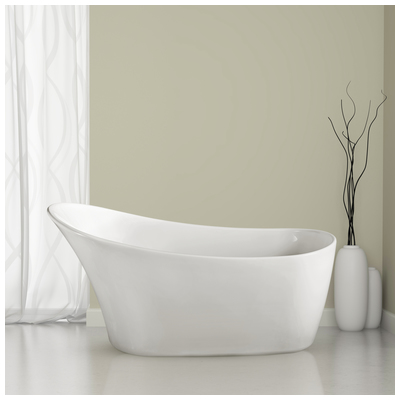
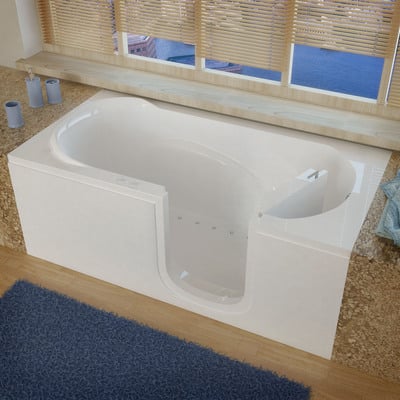
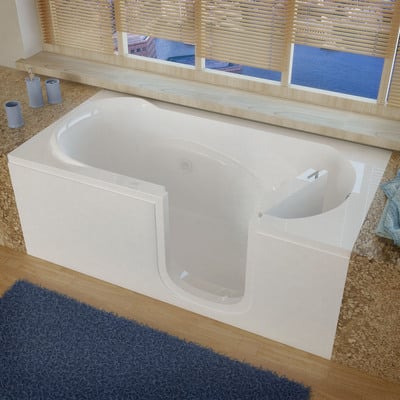
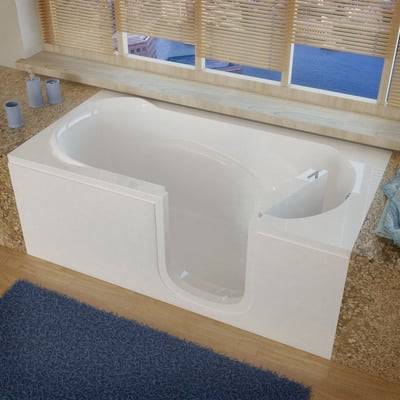
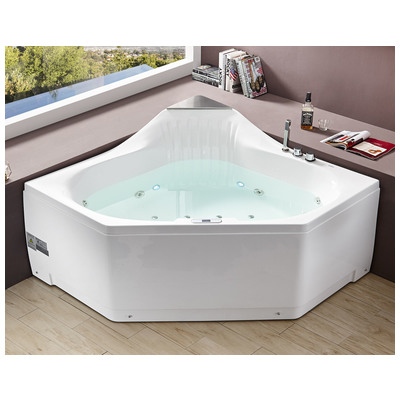
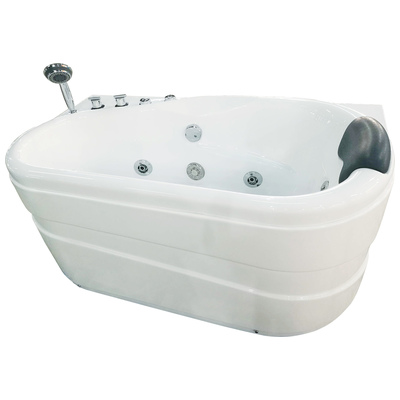
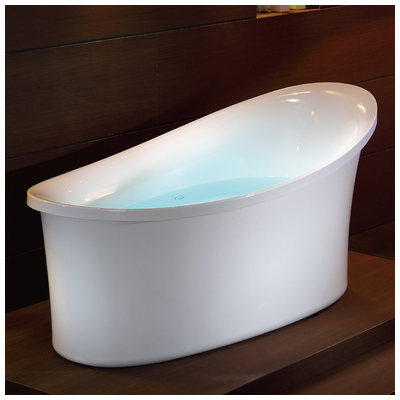
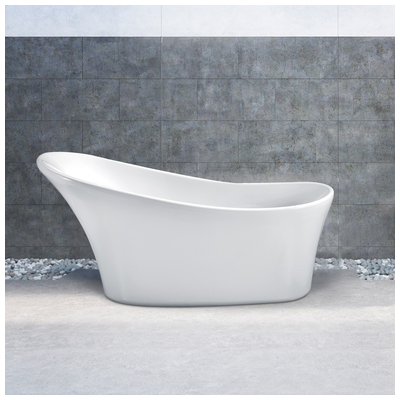
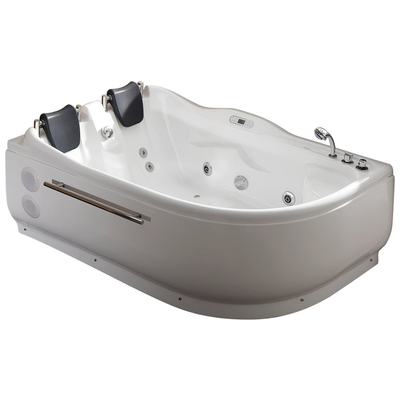
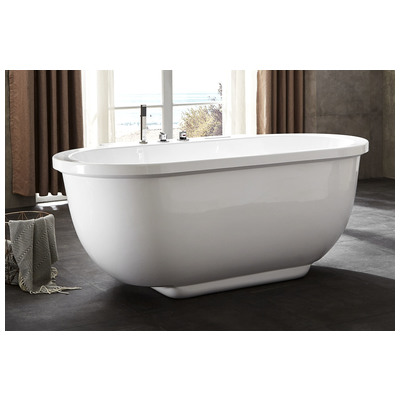
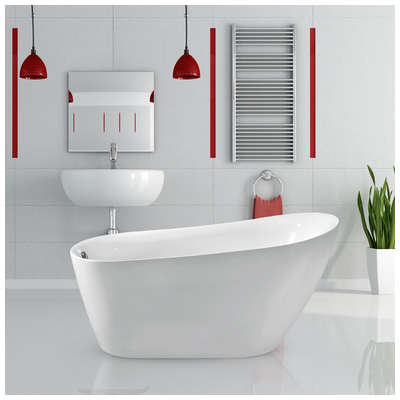
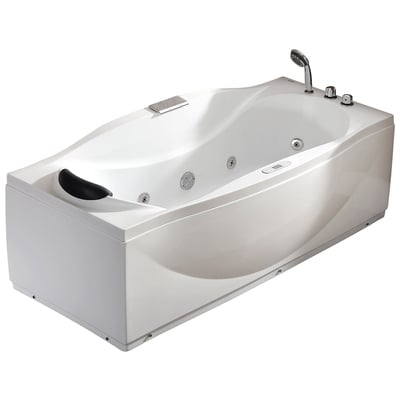
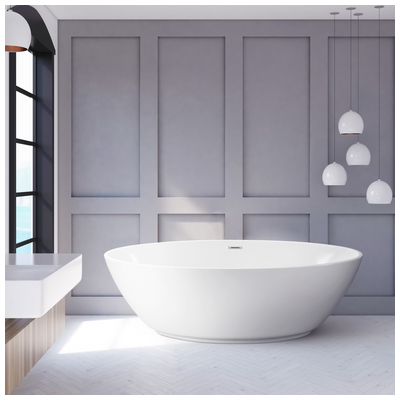
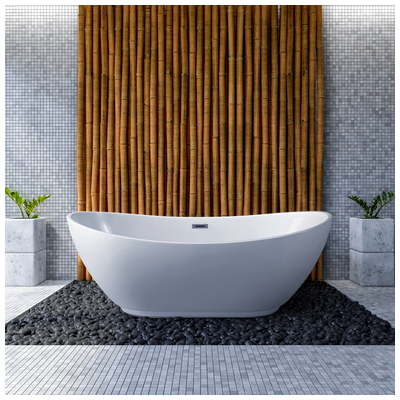
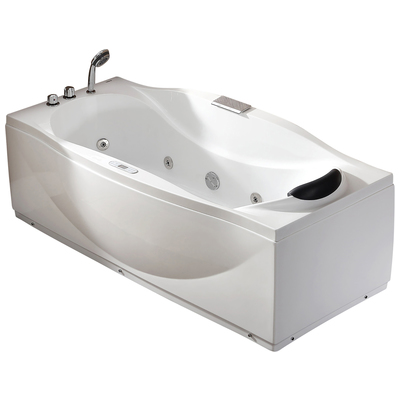
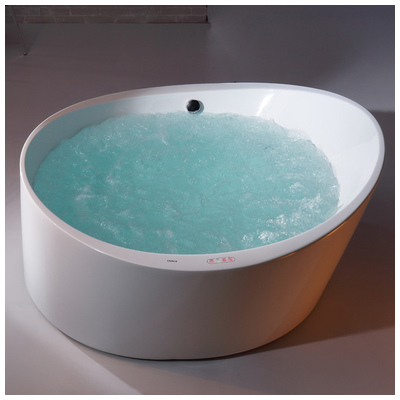
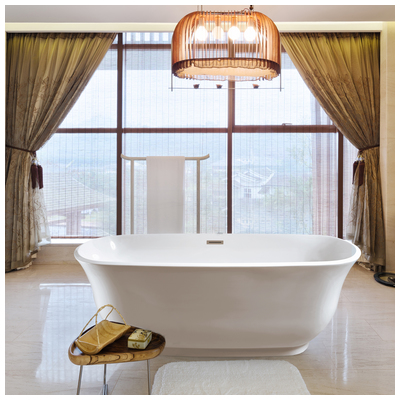
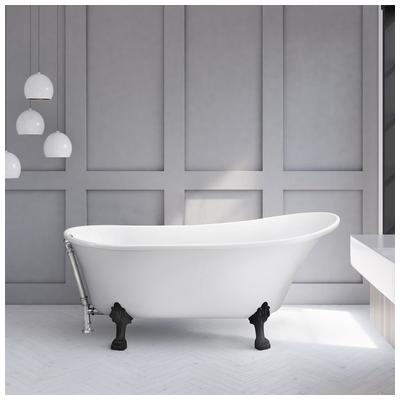
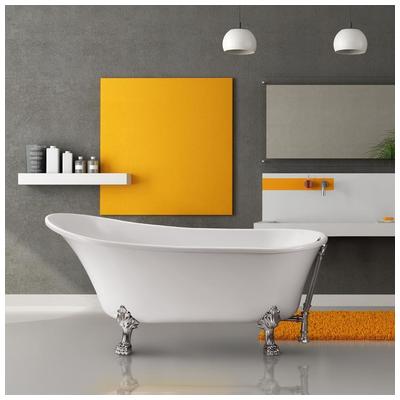
A white tub is the most versatile color choice in the bathroom — it pairs cleanly with chrome, brushed nickel, matte black, brass, and gold faucets, and it works in farmhouse, transitional, modern, and traditional palettes without competing with tile or vanity colors. White is also the dominant color in the bathtub category overall, which means you'll find the widest selection of materials, shapes, and installation types here.
The trade-off with white is visibility: soap scum, hard water mineral rings, and rust stains from old galvanized pipes all show up clearly on a white surface. Choosing the right material matters — porcelain-enameled cast iron resists staining better than acrylic, while modern acrylic finishes are easier to buff if scratched. For a sharper modern look, browse the black bathtub collection, or stay in white and narrow by installation with white freestanding tubs.
 FILTER BY










Frequently Asked Questions
How do I keep a white bathtub from staining or yellowing?
Wipe the tub dry after each use to prevent hard water mineral rings, which show clearly on white surfaces. Use a non-abrasive cleaner weekly — abrasive powders dull acrylic and scratch porcelain enamel. For existing yellowing on acrylic, a paste of baking soda and hydrogen peroxide left for 30 minutes can lift surface discoloration. Avoid rust-prone iron supplements and rusty pipe water, which permanently stain white finishes.
Does a white tub show more dirt than a black or colored tub?
White shows different dirt, not necessarily more. Soap scum, mineral deposits, and rust stains are highly visible on white. Hair, dust, and water spots are far more visible on black or dark tubs. White is generally easier to maintain because contaminants are obvious and prompt quick cleaning, while dark tubs hide buildup until it becomes harder to remove.
What faucet finish looks best with a white bathtub?
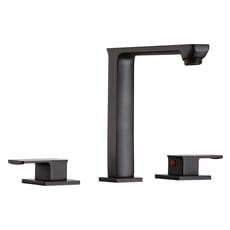
White is the most flexible backdrop for fixtures. Polished chrome and brushed nickel give a classic, hotel-style look. Matte black creates strong modern contrast popular in farmhouse and transitional baths. Brushed gold and unlacquered brass add warmth in traditional or luxe spa designs. Because white doesn't compete visually, you can match the faucet finish to other room hardware (towel bars, vanity pulls) without conflict.
Is white acrylic the same shade as a white toilet or sink?
Not always. Toilets and sinks are typically vitreous china, while tubs may be acrylic, fiberglass, cast iron, or stone resin — each manufacturing process produces slightly different whites. A china "white" can read warmer than an acrylic "white" placed next to it. If matching is important, order from the same manufacturer's coordinated suite or request material samples before installation.
Will a white tub look dated in a few years?
White is the safest long-term color choice and has remained the default tub color for over a century. Bold colors (avocado green, harvest gold, pink) date specific decades, but white reads as classic in any era and supports easy palette changes — you can repaint walls, swap tile, or update vanities without the tub clashing. For resale, white tubs broaden buyer appeal more than any other color.