









































Alcove Bathtubs for Three-Wall Installations
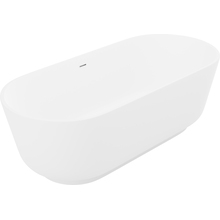
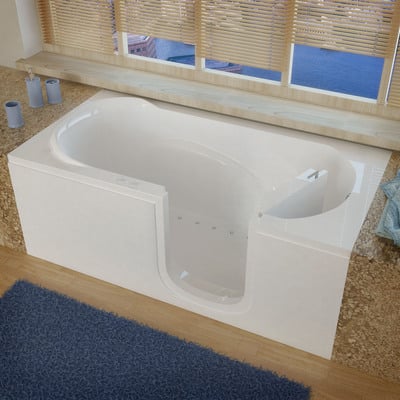
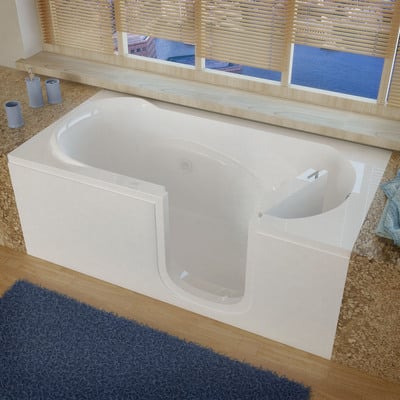
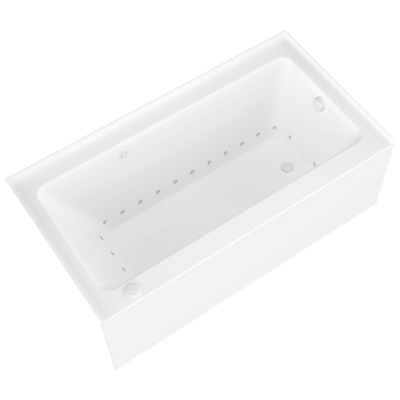
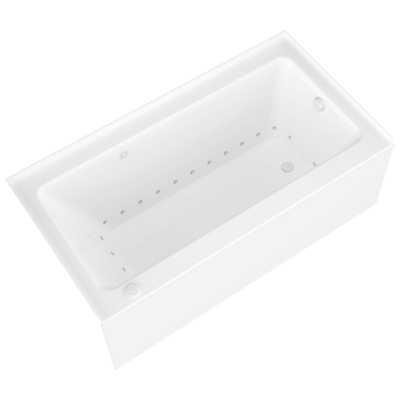
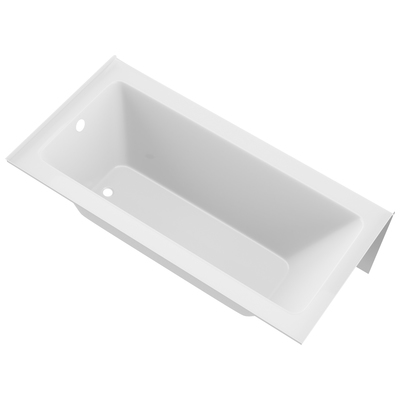
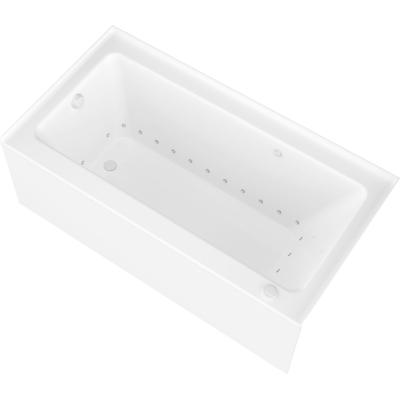
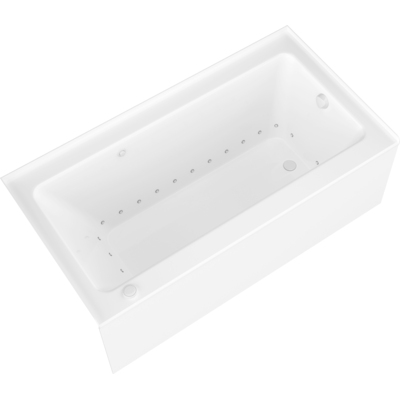
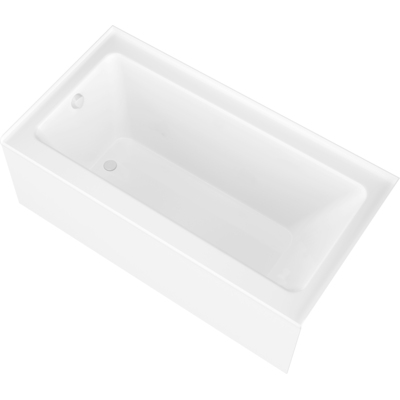
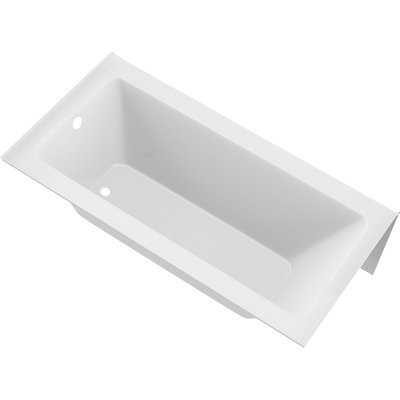
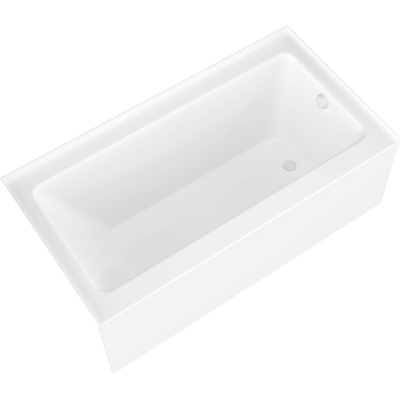
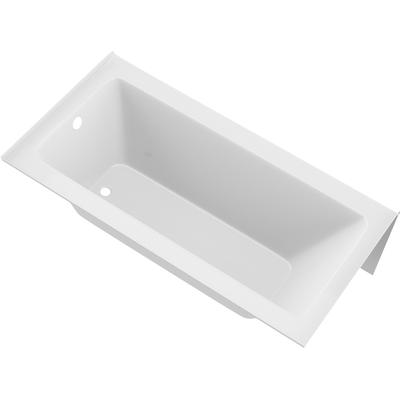
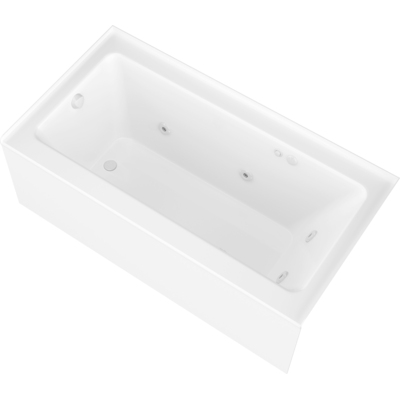
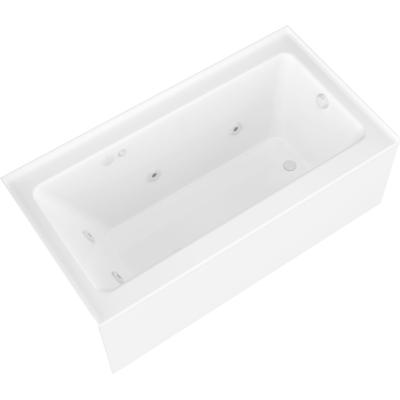
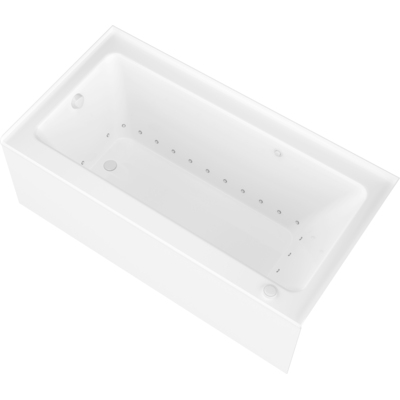
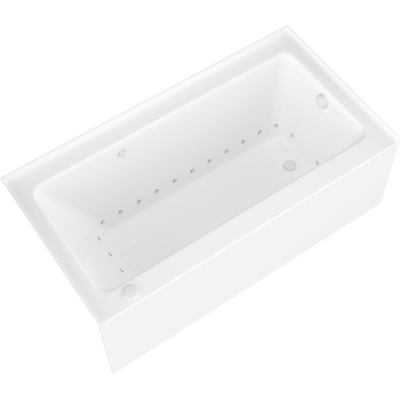
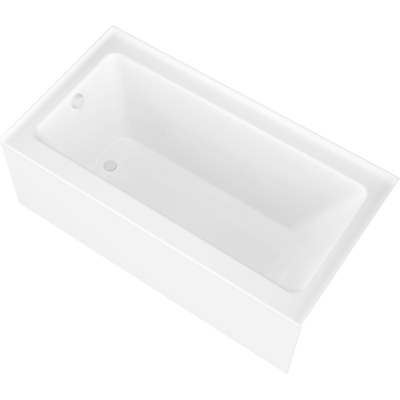
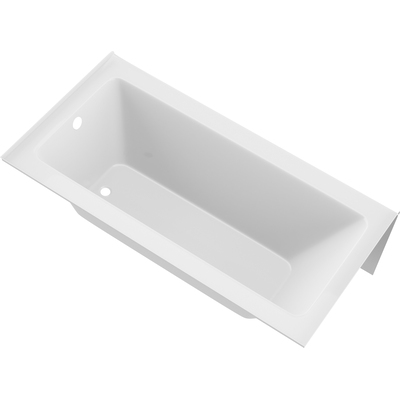
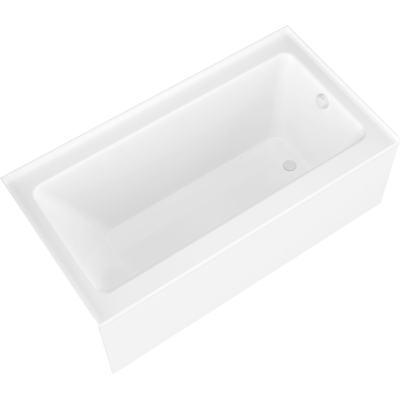
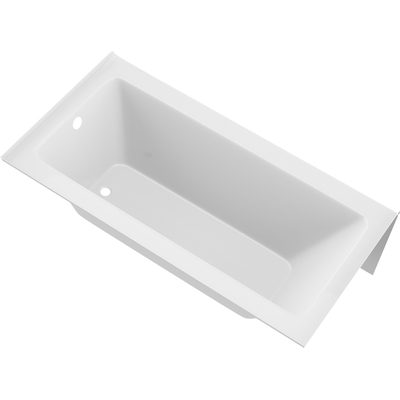
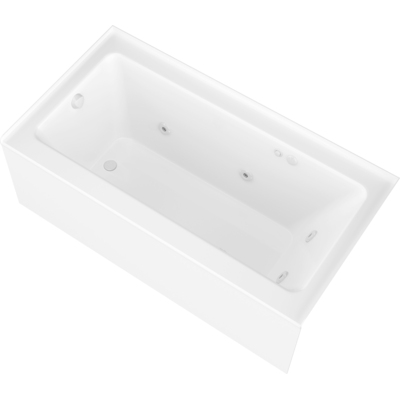
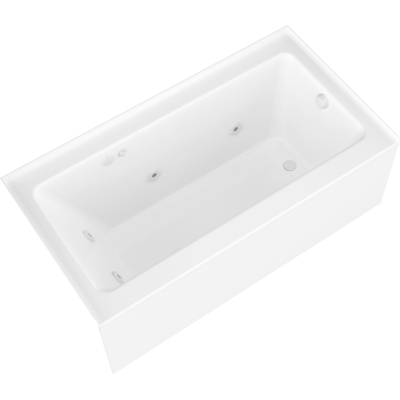
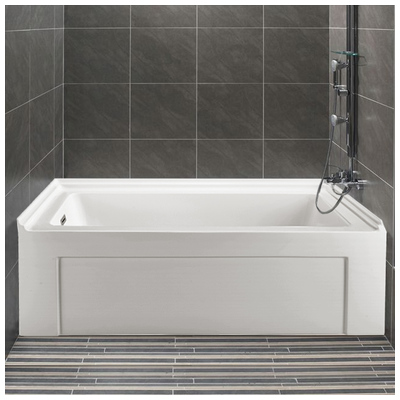
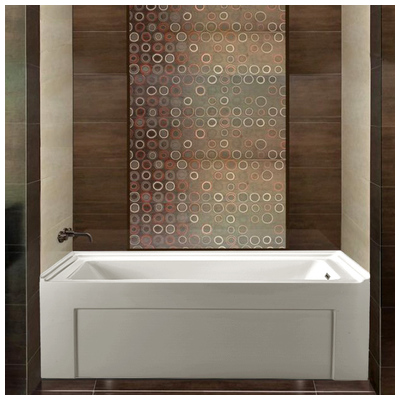
Alcove bathtubs are designed to slot between three framed walls, with one finished apron facing the room and the other three sides hidden behind tile, surround panels, or drywall. This is the most common tub installation in American homes because it fits the standard 60-inch stud-to-stud framing used in builder bathrooms since the 1950s.
Unlike a freestanding tub, an alcove model needs only one finished surface and a single end-wall drain rough-in, which keeps both the tub price and the plumbing labor lower. The trade-off is that the tub's footprint is locked to the framed opening, so accurate measurement of the alcove width, depth, and apron height matters before you order.
Browse the full collection at bathtubs, or compare with a corner tub if your layout has only two adjacent walls. For the most popular size, see our 60-inch alcove tubs.
 FILTER BY












Frequently Asked Questions
What is the standard alcove tub size?
The U.S. standard is 60 inches long by 30–32 inches deep by 20–22 inches tall, sized to drop into framing built at 60 inches stud-to-stud. This dimension dates back to mid-century bathroom layouts and remains the default for new construction. Tubs at 54 or 66 inches exist for non-standard alcoves but require either custom framing or a remodel of the existing opening.
Do I need to specify left-hand or right-hand drain on an alcove tub?
Yes. Because the alcove apron is finished on only one side, the drain location is fixed at one end of the tub. Stand at the apron facing the tub — if the drain is on your left, it's a left-hand drain; on your right, it's a right-hand drain. Ordering the wrong hand means the drain won't align with your existing waste pipe and will require re-plumbing inside the wall.
What goes on the three walls around an alcove tub?
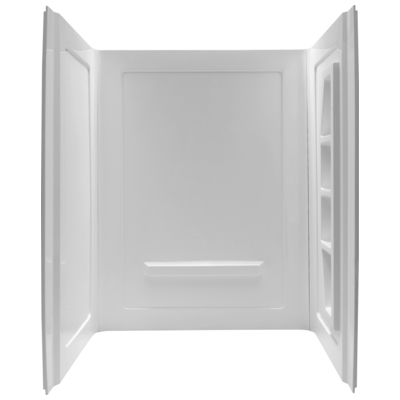
The three exposed walls require a waterproof tub surround — typically tile over cement backer board, solid-surface panels, or fiberglass surround kits. The tub's top flange (a small lip on three sides) tucks behind the wall finish to direct splash water back into the basin. Drywall alone is never acceptable; water will wick into the gypsum and rot the studs within a few years.
Can I replace an alcove tub with a freestanding model later?
It's possible but expensive. A freestanding swap requires relocating the drain to the floor, capping the existing wall drain, removing the surround tile, and patching all three walls. Plan on $2,000–$5,000 in plumbing and finish work beyond the tub itself. If a freestanding look is the long-term goal, it's cheaper to do it during a full bathroom remodel than as a standalone replacement.
Does the apron rest on the subfloor or the finished floor?
The apron rests on the subfloor, and the finished flooring (tile, vinyl, or LVP) butts up against the apron's outside edge. This is why apron height is listed at 20–22 inches — it accounts for the tub sitting at subfloor level. If your installer sets the tub on top of finished tile, the apron will sit too high and the spout may not clear the rim properly.