




































Corner Bathtubs for Two-Wall Installations
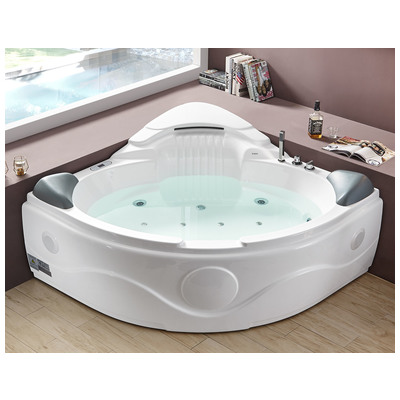
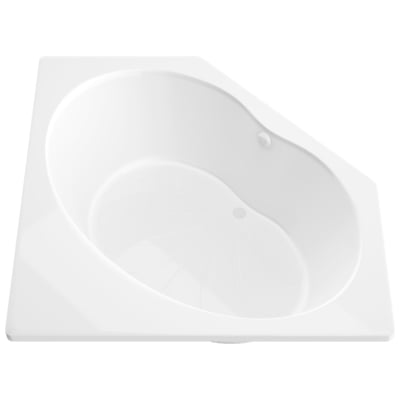
A corner bath tucks into the 90-degree junction of two walls, turning otherwise dead floor area into a generous bathing zone. Because the tub is triangular or pentagonal in plan, it delivers a wider bathing well than a 60-inch alcove tub while leaving the rest of the bathroom open for a vanity, shower, or walk path.
Corner installation has its own plumbing logic: the drain typically sits at the inside angle (the point closest to the corner), and the deck is wide enough to host a deck-mount Roman faucet or hand shower. Two finished sides face the room, so the apron and skirt finish matters more here than on a three-wall alcove model.
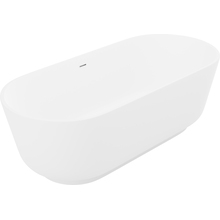
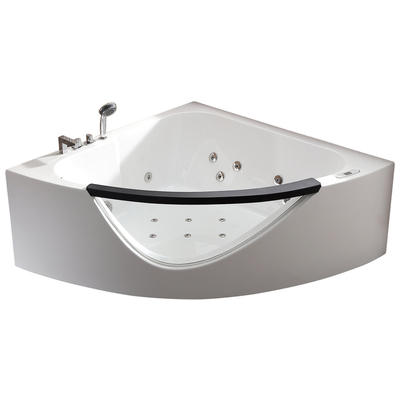
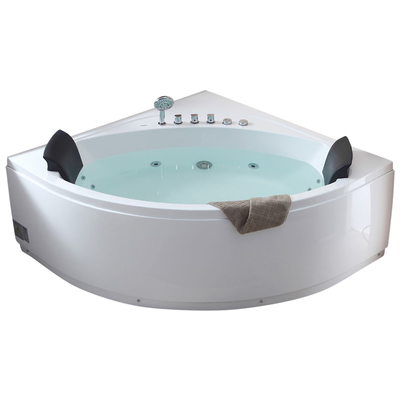
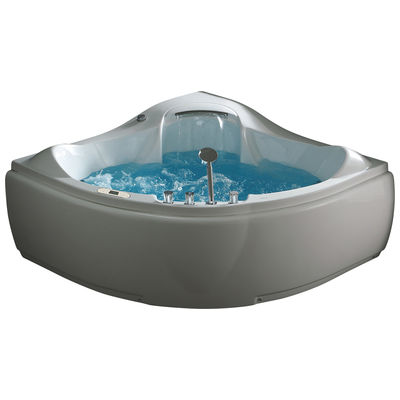
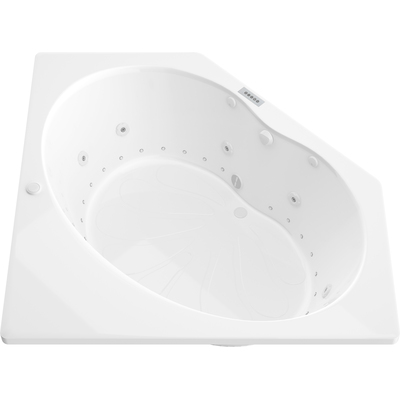
Most corner tubs are sized for two bathers and many include jets — see jetted corner tubs and whirlpool corner tubs, or compare with freestanding bathtubs if you have open floor space.
 FILTER BY
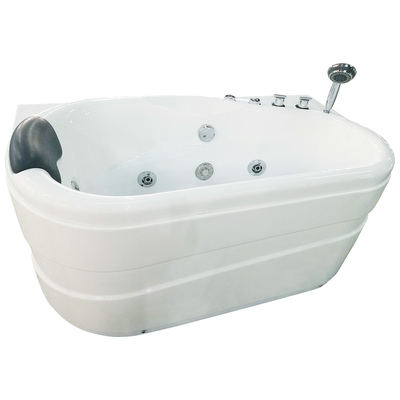
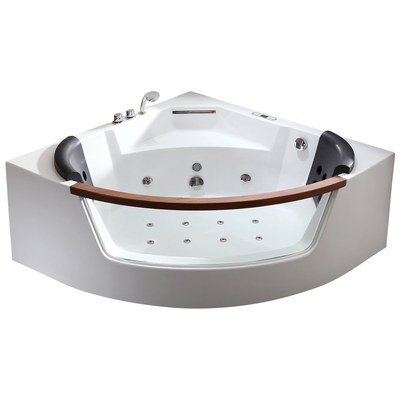
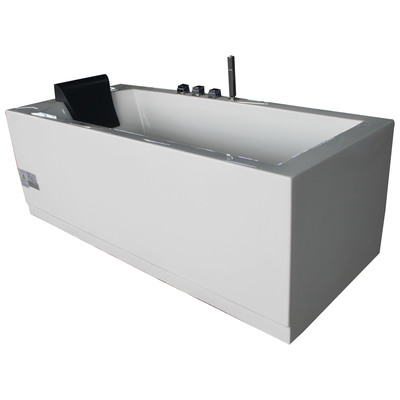
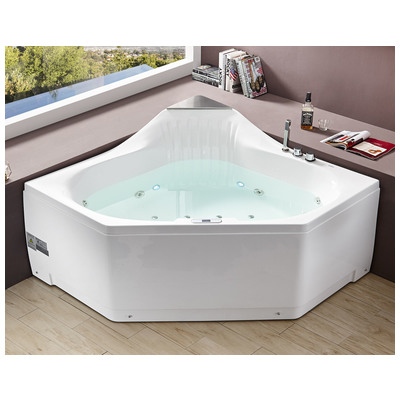
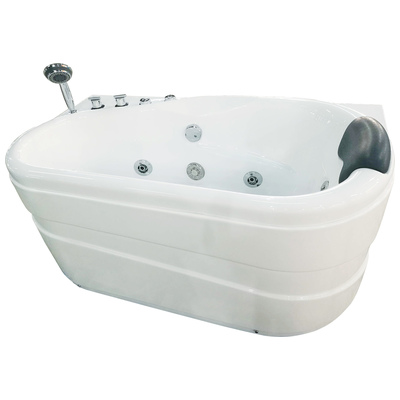
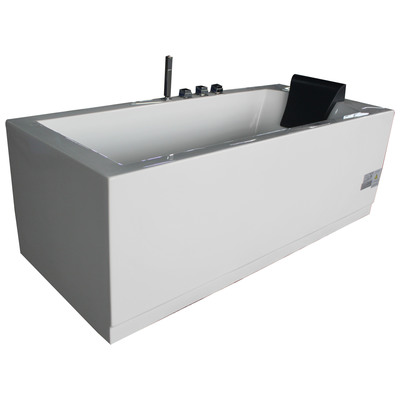
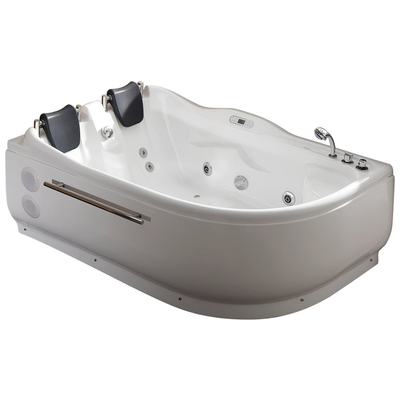
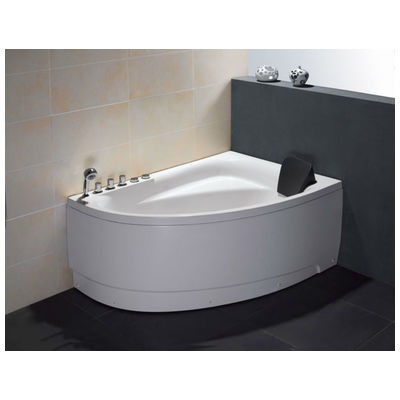
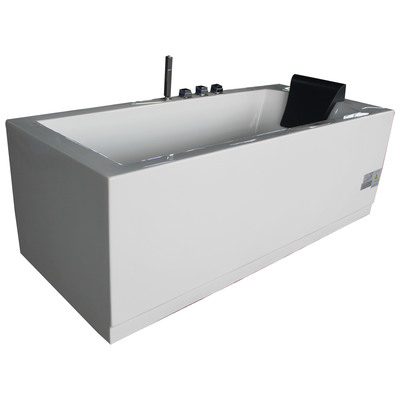
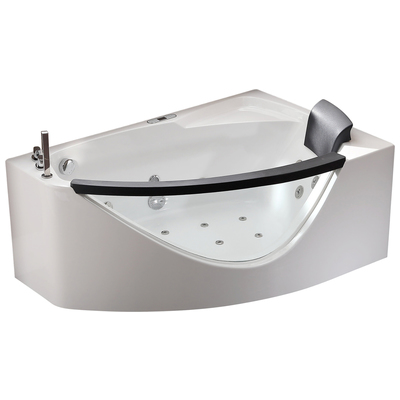
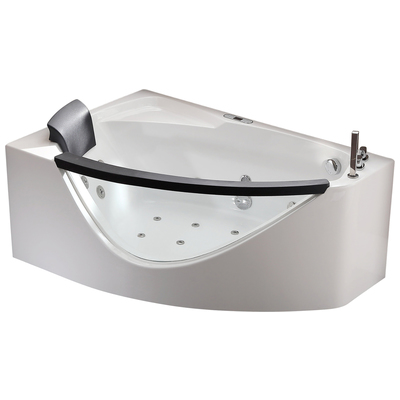
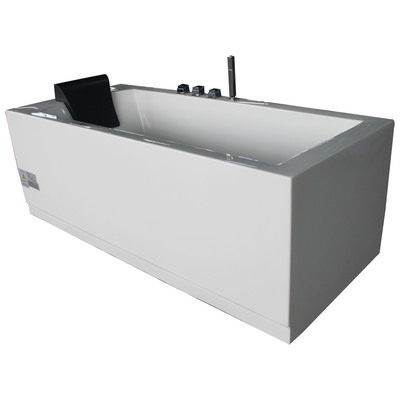
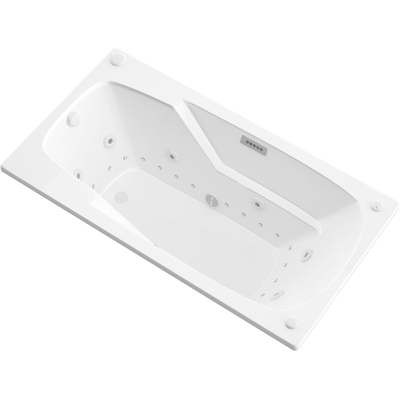
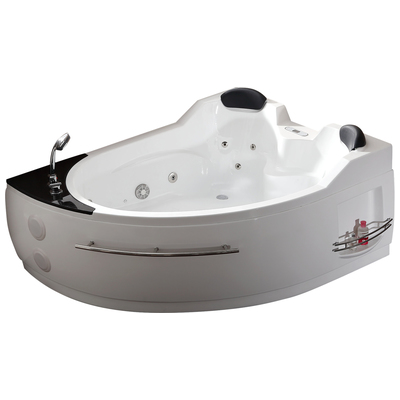
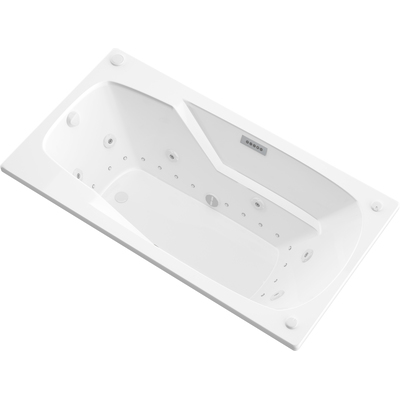
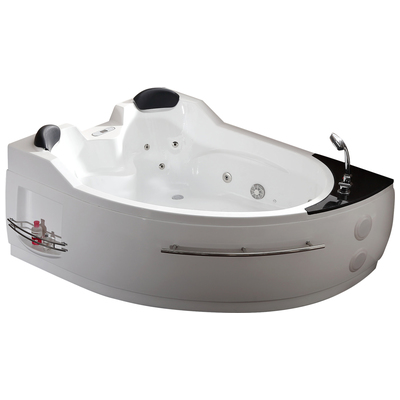

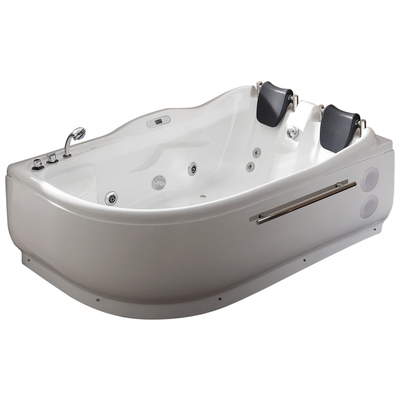
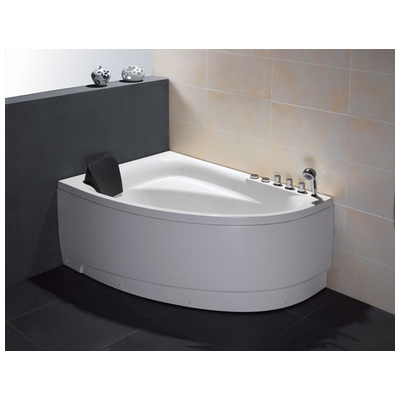
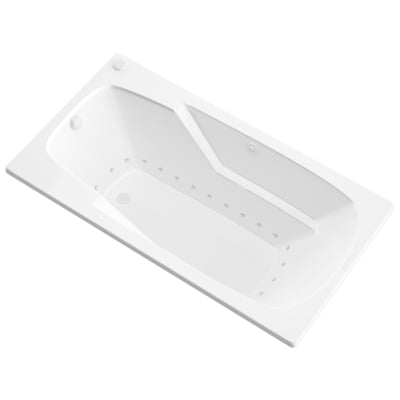

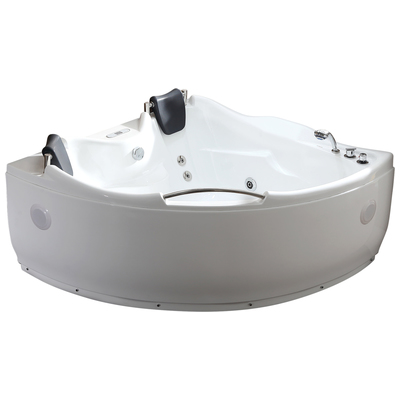


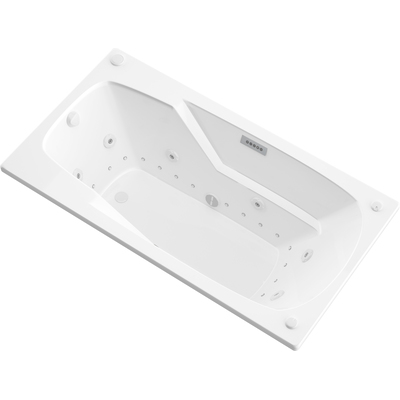
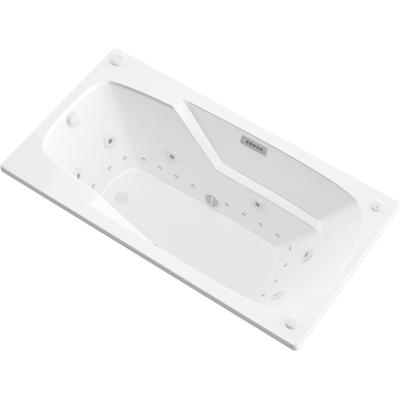
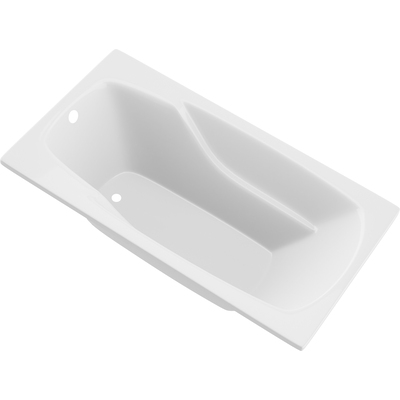
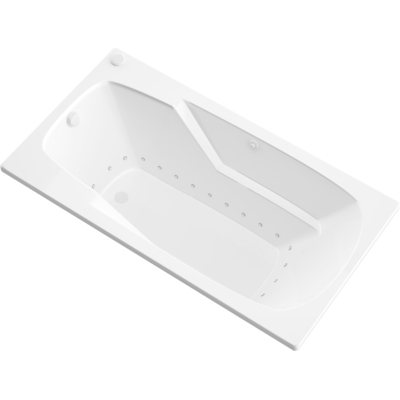
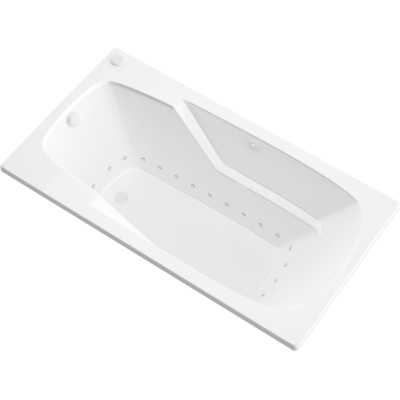
Meditub Atlantis Whirlpools Eros 32 x 60 Rectangular Whirlpool Jetted Bathtub, 848308006788, 3260EWL

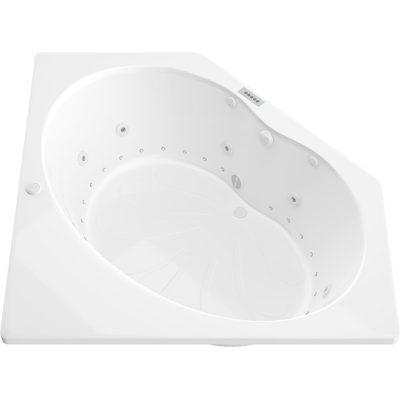
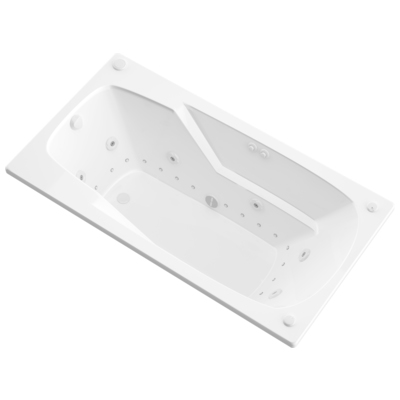

Meditub Atlantis Whirlpools Eros 32 x 60 Rectangular Whirlpool Jetted Bathtub, 848308006795, 3260EWR





Frequently Asked Questions
How is a corner bathtub plumbed differently than an alcove tub?
The drain on a corner tub is located near the inside angle — the point closest to the wall corner — rather than at one end like an alcove tub. This often means the rough-in lands directly above a floor joist, so plumbers may need to cut and head off a joist or relocate the trap. Two of the tub's sides face the room, so the supply lines typically come up through the deck for a Roman-style faucet rather than through a back wall.
Do corner tubs need extra floor support?
Most corner tubs hold 60–100 gallons of water — significantly more than a 40-gallon alcove tub. A filled corner tub with two bathers can exceed 900 pounds concentrated in one corner of the room. On second floors, have a structural inspector verify joist span and add sister joists or a load-bearing wall beneath if the existing framing is sized only for standard 40 psf live load.
What faucet style works with a corner bathtub?
Because two sides of the tub are exposed and there is no back wall behind the bathing area, deck-mount Roman tub faucets are the standard choice — they mount through pre-drilled holes in the tub's wide flat deck. A handheld shower wand on a flexible hose is a popular add-on. Wall-mount and floor-mount freestanding faucets are not typical for corner installations.
Can a corner tub fit two people?
Yes — corner tubs are one of the few installation types that comfortably seat two bathers facing each other across the diagonal. The pentagonal or triangular interior creates a wider bathing well than a rectangular alcove tub of the same wall length. Look for models 60 inches or larger on each side with contoured backrests on the two long walls for true two-person comfort.
How do I finish the walls behind a corner tub?
The two walls behind the tub need a waterproof surround at least to the height of the showerhead if you plan to bathe with a hand shower, or to 6 inches above the tub rim for a soak-only setup. Tile over cement backer board is the most common finish; full-height tile up the wall corner reinforces the geometric statement of the corner installation and prevents splash damage at the joint.