


















































Vegan Leather Sofas & Faux Leather Couches
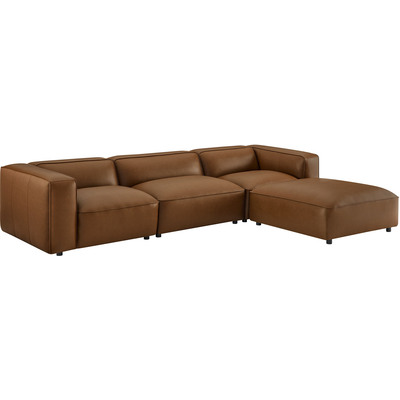
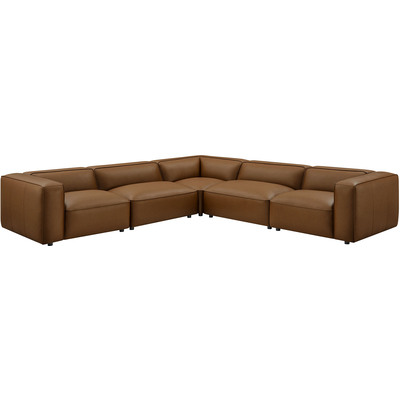
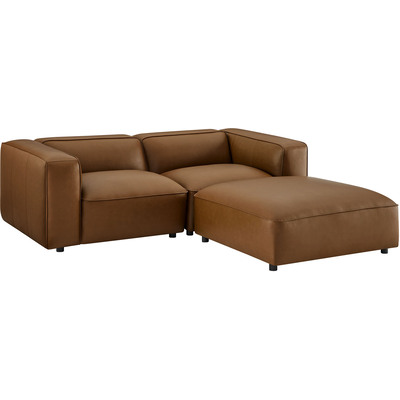
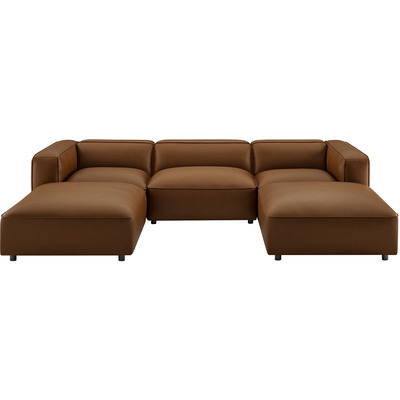
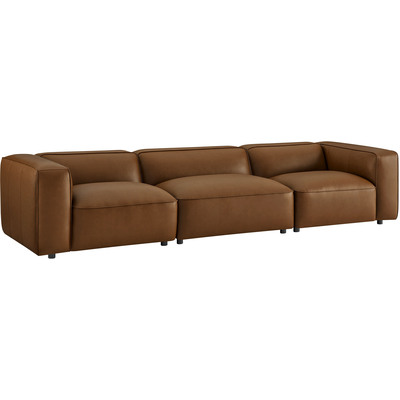
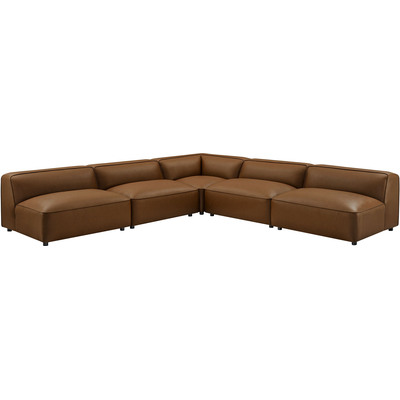
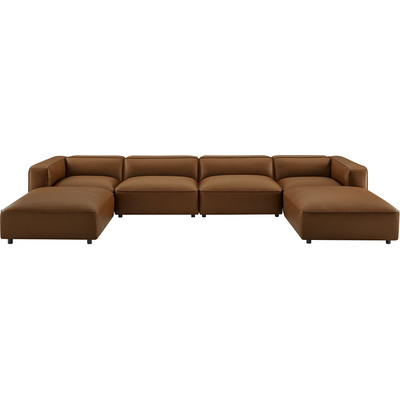
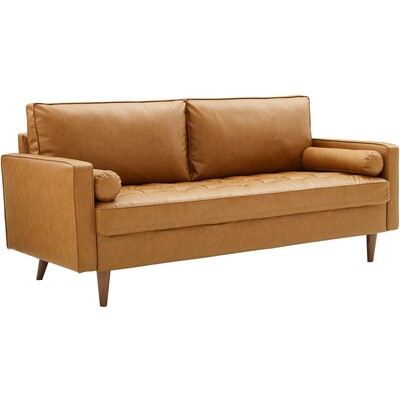
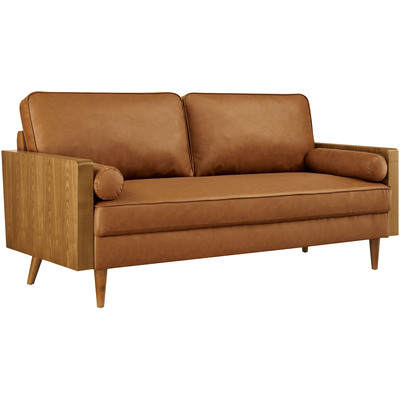
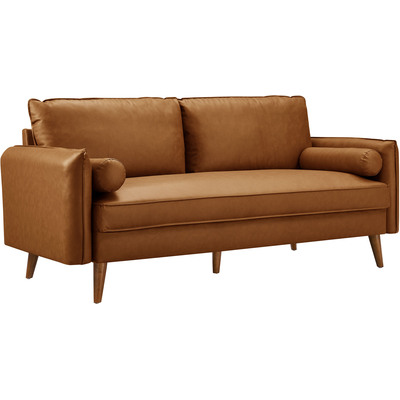
A vegan leather sofa delivers the rich, smooth look of hide without using any animal products, making it a favorite for shoppers who want an ethical, easy-care alternative to genuine leather. The polyurethane-coated surface wipes clean with a damp cloth, shrugs off juice spills and muddy paws, and costs noticeably less than top-grain hide.
Unlike real leather, faux leather doesn't need conditioning oils or fear direct sunlight in moderation, but it does call for a few care habits to prevent cracking over time. Browse the full sofa and loveseat collection or compare finishes with genuine leather sofas and velvet sofas to see which surface fits your household.
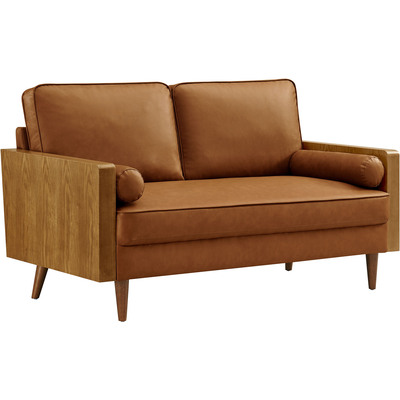
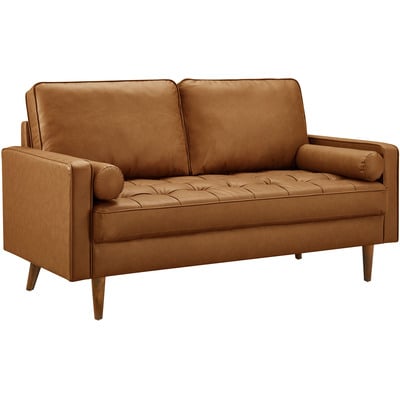
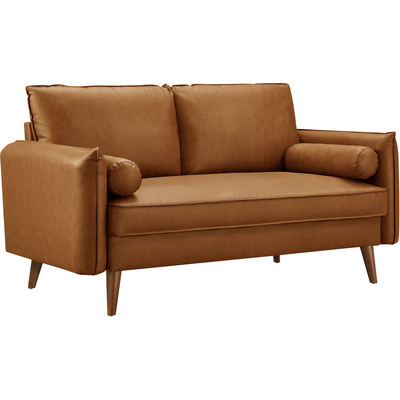
From sleek sectionals to compact loveseats, these faux leather couches work in modern lofts, family rooms with kids and pets, and rental spaces where easy cleanup matters most.
 FILTER BY






Frequently Asked Questions
Does a vegan leather sofa peel or crack over time?
Lower-grade faux leather can start to crack or peel within two to four years, especially if it sits near a heat vent or in direct sunlight. Higher-quality polyurethane vegan leather with a woven backing lasts much longer. To extend the life of yours, wipe it with a soft damp cloth weekly, keep it out of harsh sun, and avoid harsh cleaners or alcohol-based wipes.
Is faux leather a good choice for homes with kids and pets?
Yes, faux leather is one of the most family-friendly upholsteries. Spilled juice, crayon marks, and pet drool wipe right off with a damp cloth, and the smooth surface doesn't trap pet hair like fabric does. The one caution: sharp claws can puncture the coating. Trim cat nails regularly and consider a throw blanket in spots where pets routinely jump up.
How is vegan leather different from real leather to sit on?
Vegan leather feels smoother and more uniform than genuine hide and stays at a more consistent temperature year-round. Real leather warms to your body and develops a soft patina over years, while faux leather keeps its original look without aging. Faux leather is also less breathable, so on hot summer days you may notice slight stickiness against bare skin—a throw or cushion solves this easily.
How do I clean a vegan leather couch safely?
Wipe weekly with a soft cloth dampened in warm water, adding a drop of mild dish soap for sticky spots. Skip bleach, ammonia, magic erasers, and oil-based leather conditioners—these break down the PU coating and cause premature cracking. For ink or makeup, blot immediately rather than rubbing. Buff dry with a clean microfiber cloth to prevent water spots on the finish.
Does faux leather get hot or sticky in summer?
Because the PU coating doesn't breathe like fabric, faux leather can feel warmer and slightly tacky against bare skin in humid weather. The fix is simple: drape a cotton or linen throw across the seat in summer months, or add washable seat covers. In air-conditioned rooms most people never notice the difference between vegan leather and traditional upholstery.