










































Leather Sofas for Lasting Comfort
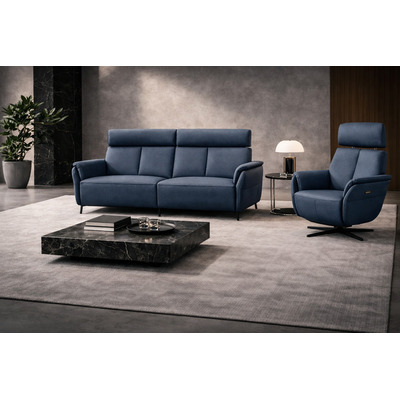
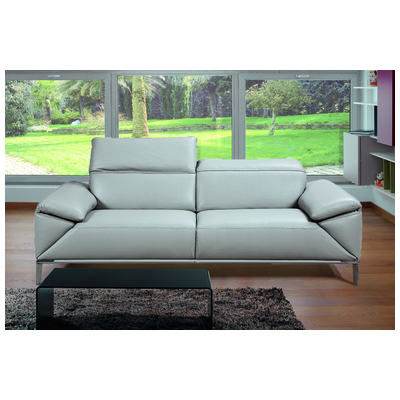
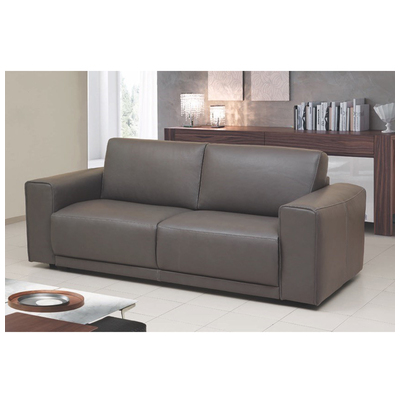
A leather sofa earns its keep by getting better with age — top-grain hides soften, deepen in color, and develop a one-of-a-kind patina that fabric simply cannot replicate. That makes leather the go-to upholstery for households that want a seat to last fifteen or twenty years rather than be replaced after a few seasons.
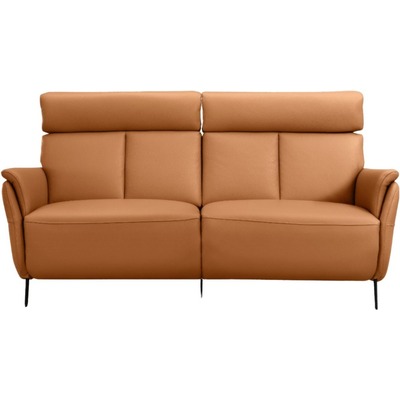
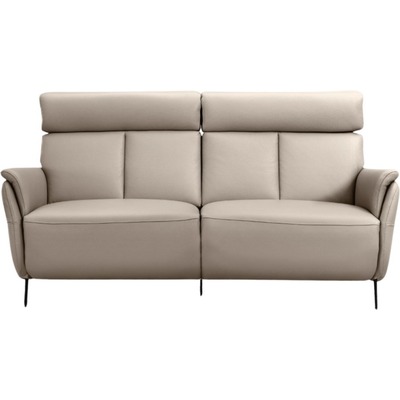
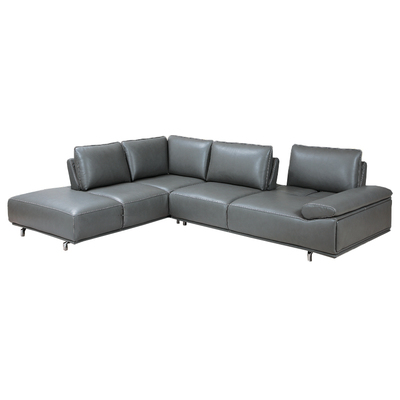
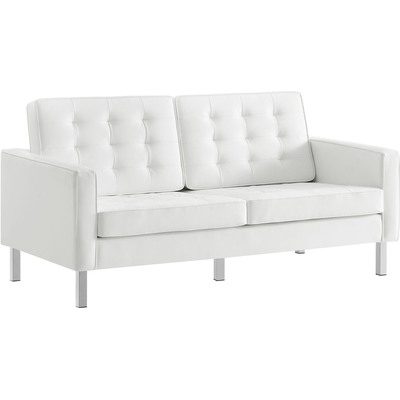
Leather also wipes clean in seconds, which is why families with kids, dog owners, and anyone who eats dinner on the couch keep coming back to it. Spills bead up instead of soaking in, and crumbs brush off without a vacuum. Browse the full sofa and loveseat collection, narrow down to a leather sectional, or compare softer options like velvet and faux leather before you decide.
 FILTER BY















Frequently Asked Questions
Will a leather sofa crack or peel over time?
Top-grain and full-grain leather will not crack — they soften and develop a patina over decades. Bonded leather, which is reconstituted scraps over a polyurethane backing, commonly cracks and flakes within two to five years. Always check the product description for the leather grade, and condition genuine leather twice a year to keep the fibers supple.
How do I clean and condition a leather sofa?
Dust weekly with a dry microfiber cloth and wipe spills immediately with a barely damp cloth — never soak the leather. Twice a year, apply a pH-balanced leather conditioner in thin coats to replenish natural oils and prevent dryness. Skip household cleaners, baby wipes, and saddle soap, all of which strip the protective topcoat and cause premature cracking.
Is a leather sofa a good choice with pets and kids?
Leather is one of the most family-friendly upholsteries because it doesn't absorb spills, odors, or pet dander, and it wipes clean with a damp cloth. The trade-off is that cats can scratch the surface and dogs' nails may leave marks. Choose a protected (pigmented) leather rather than aniline if claws are a concern — the topcoat masks minor scratches and resists stains.
Does leather feel cold in winter and sticky in summer?
Leather takes on the room's temperature, so it can feel cool when you first sit down in winter and warm in direct summer sun. Within a minute or two it matches body heat. To counter both extremes, keep the sofa out of direct sunlight (which also prevents fading) and add a soft throw for cold mornings. Aniline leathers feel warmer to the touch than heavily pigmented finishes.
How can I tell if a leather sofa is real or faux?
Real leather has irregular grain, subtle imperfections, and a distinct smell; faux leather looks uniformly textured and smells faintly chemical or plastic. Check the tag — genuine leather is labeled top-grain, full-grain, or split; anything labeled "bonded," "PU," or simply "leather match" is partly or fully synthetic. Real leather also warms quickly under your hand, while faux stays cool and slick.