






































Bathroom Sinks for Every Style
Bathroom sinks are the workhorse fixture of any vanity, powder room, or master bath, and the right choice depends on your counter type, plumbing rough-in, and the look you want above the floor. With over 700 options across materials, shapes, and mounting types, this collection covers everything from compact pedestal columns for half-baths to oversized rectangular vessels for designer suites.
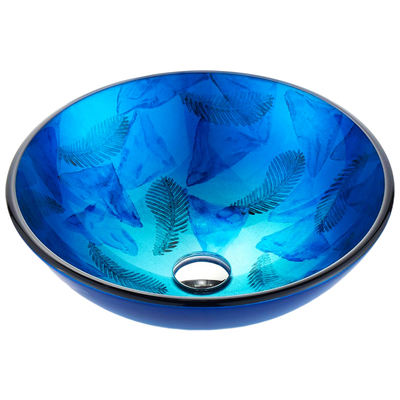
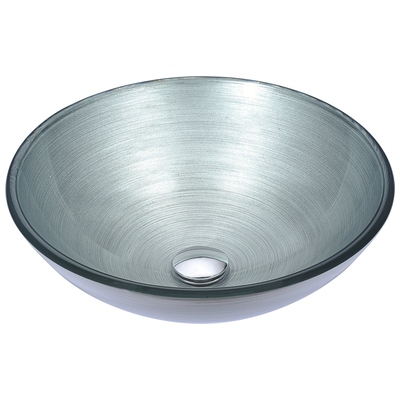
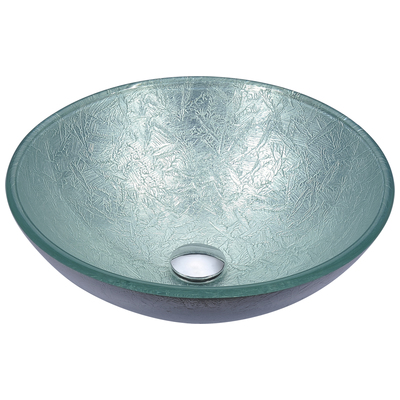
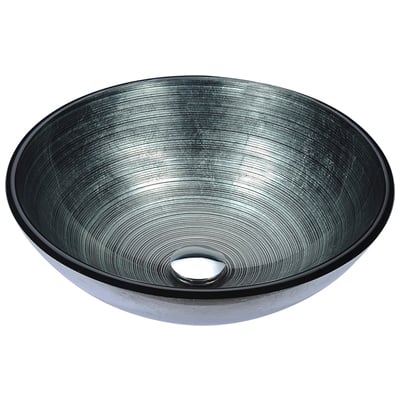
Material drives both maintenance and budget. Browse natural stone bathroom sinks for one-of-a-kind marble, travertine, and onyx basins, or shop dedicated stone vessel sinks that sit above the counter as a sculptural focal point. For warmth and color, our gold vessel sinks and blue glass vessels add finish-grade contrast against neutral vanities.
Filter by type to match your installation: undermount for solid-surface counters, drop-in for laminate or tile, wall-mount for floating modern looks, or pedestal where storage isn't needed.
 FILTER BY


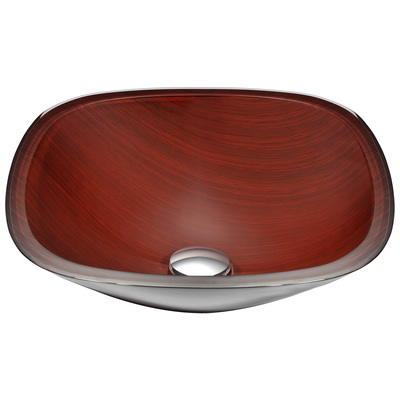
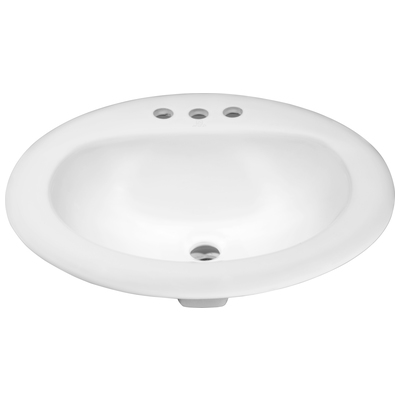


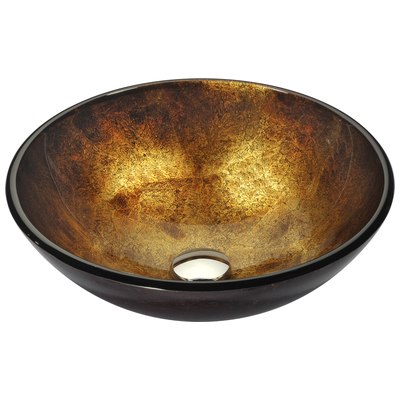


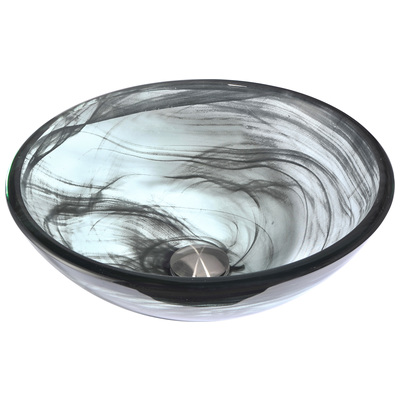
Anzzi Innovio Rectangle Glass Vessel Bathroom Sink with Matte Black Finish, 191042074606, LS-AZ911MB


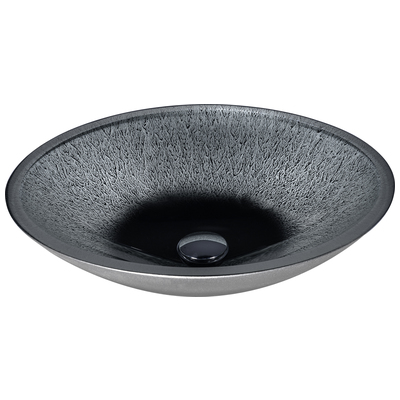
Anzzi Ariadne Rectangle Glass Vessel Bathroom Sink with Matte Black Finish, 191042074620, LS-AZ913MB









Frequently Asked Questions
What's the difference between a vessel sink and an undermount sink?
A vessel sink sits on top of the counter like a bowl, adding 5–6 inches of height and requiring a tall vessel faucet. An undermount sink mounts beneath the counter for a seamless rim-free look, but it only works with solid surfaces like stone or quartz. Vessels showcase decorative materials; undermounts prioritize easy counter cleanup.
What size bathroom sink fits a standard vanity?
For a 30-inch vanity, choose a sink basin 16–18 inches wide. A 36-inch vanity handles 18–22 inches comfortably, and 48-inch double vanities pair with two 16–18 inch basins spaced at least 30 inches center-to-center. Always leave 2–3 inches of counter on each side for soap and toiletries.
Which bathroom sink material is easiest to maintain?
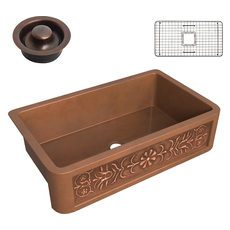
Porcelain and ceramic are the lowest-maintenance options — non-porous, stain-resistant, and cleanable with mild soap. Natural stone requires sealing every 6–12 months and can etch from acidic cleaners. Copper develops a living patina that should not be scrubbed with abrasives. Glass shows water spots quickly and benefits from a daily wipe-down with a soft cloth.
Do I need an overflow drain on my bathroom sink?
An overflow drain prevents accidental flooding if the basin fills with the stopper closed. Most ceramic, porcelain, and stainless steel sinks include one. Many vessel sinks and modern designer basins omit the overflow for a cleaner look — if yours doesn't have one, pair it with a grid drain rather than a pop-up, since pop-ups require an overflow path to function correctly.
What sinks work in a small powder room?
Pedestal sinks and wall-mounted sinks are the best small-bath choices because they don't require a vanity cabinet. Pedestals hide plumbing inside a hollow column; wall-mounts free up floor space for a more open look but expose the trap as a design feature. For a 24-inch wall, look for compact basins 18–20 inches wide with shallow front-to-back depth.