






































Mosaic Tile and Decorative Tiles
Mosaic tile brings small-scale pattern, color blending, and texture to surfaces that field tile alone can't achieve. Sold on roughly 12-inch mesh-backed sheets, mosaics drop into kitchen backsplashes, shower walls, niche backs, fireplace surrounds, and pool waterlines without piece-by-piece layout work — the sheet does the spacing for you.
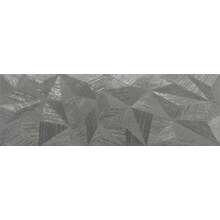
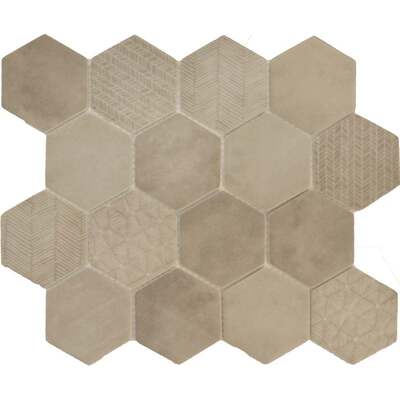
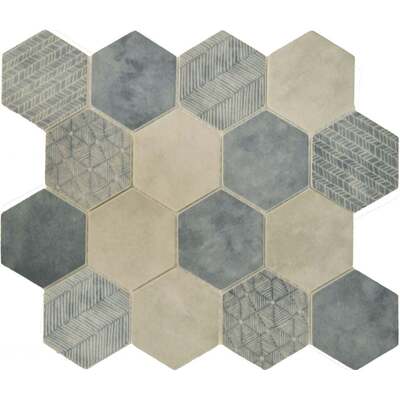
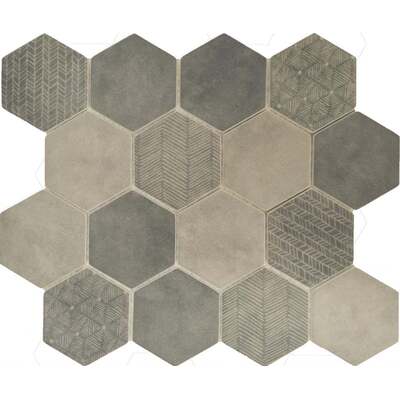
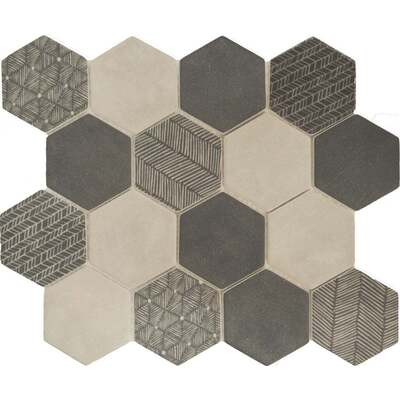
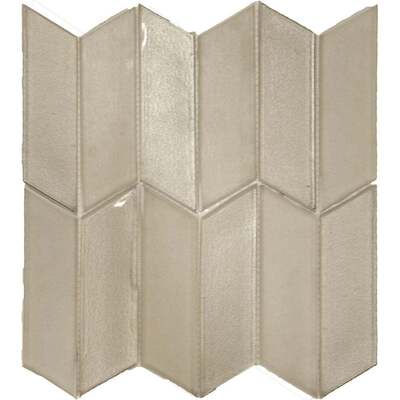
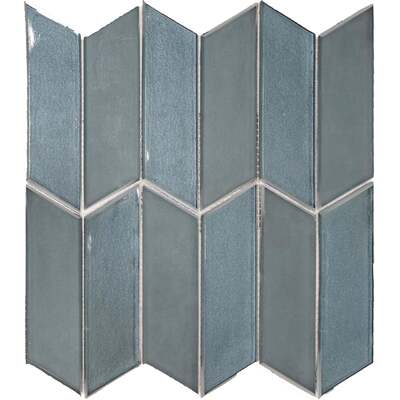
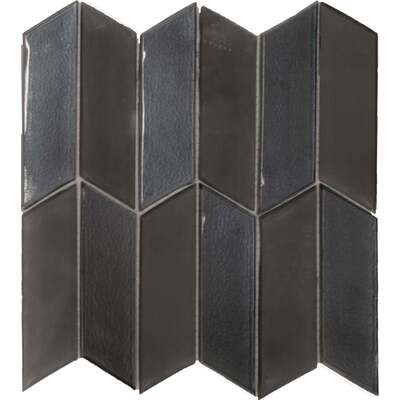
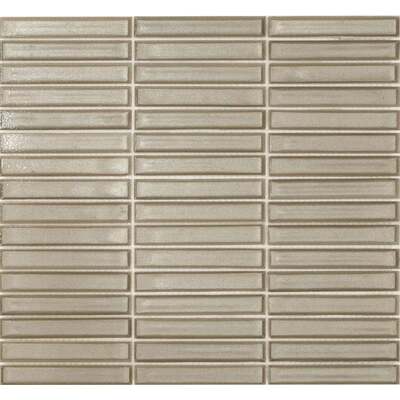
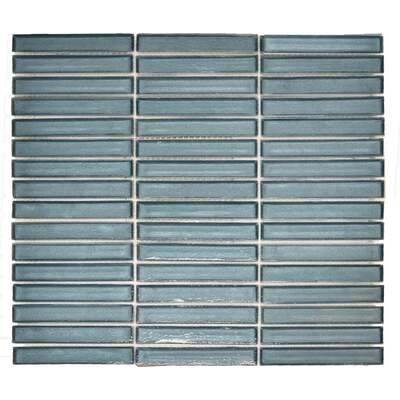
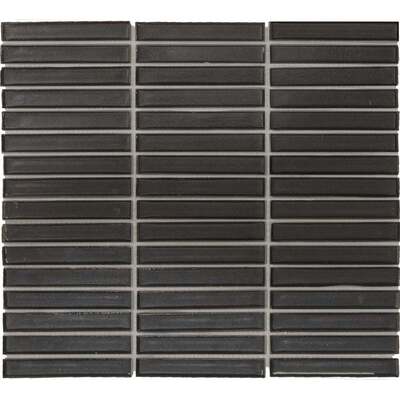
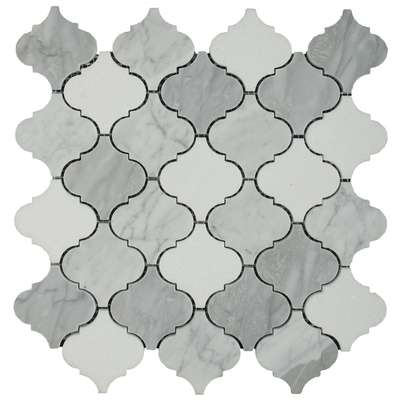
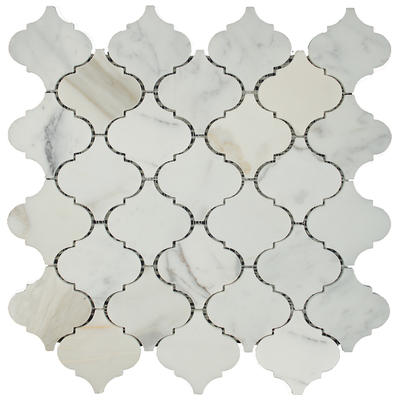
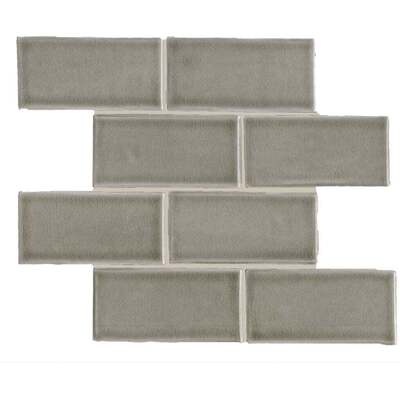
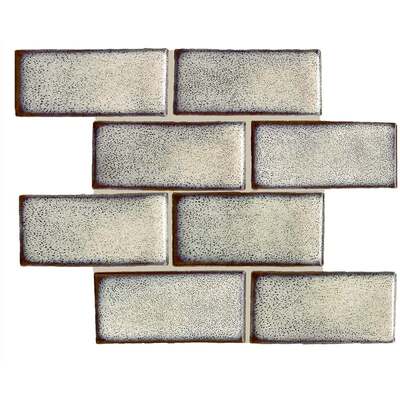
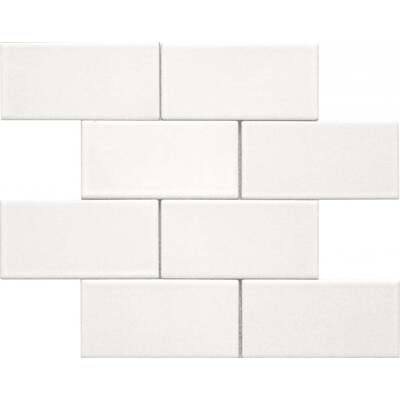
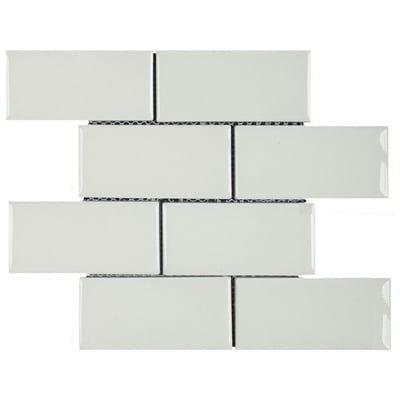
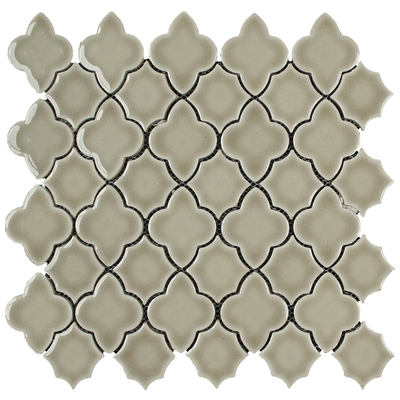
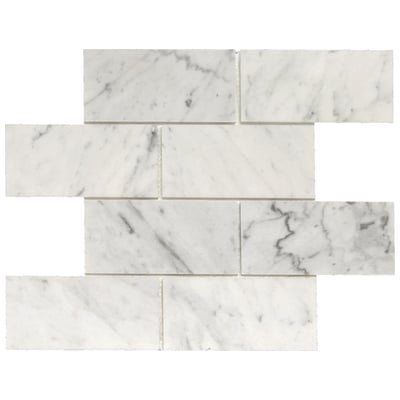
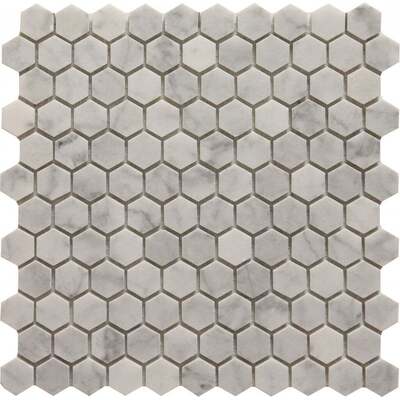
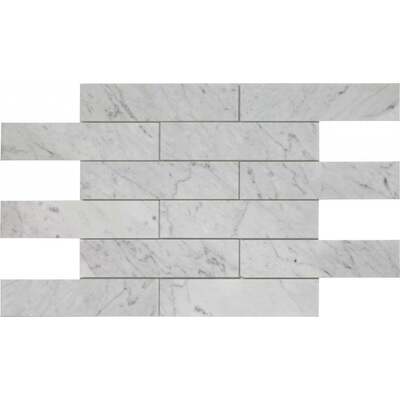
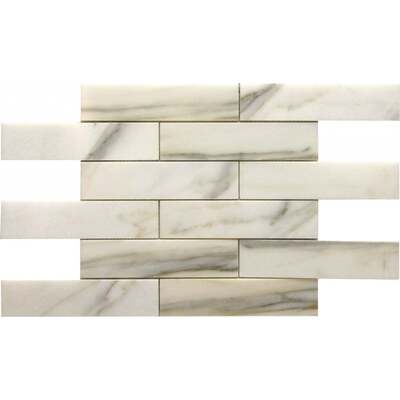
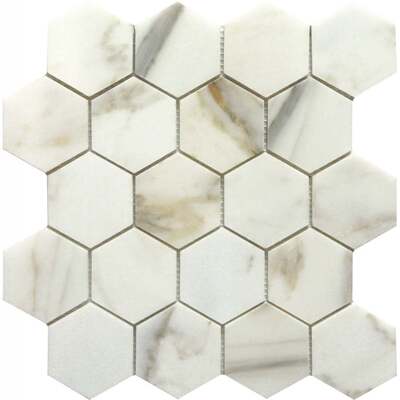
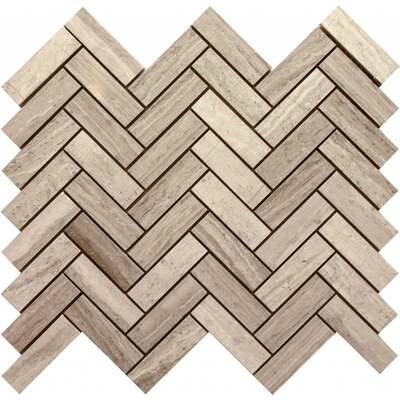
Our collection spans glass, porcelain, natural stone, and metal mosaics in classic and trending shapes. Browse by pattern — brick for clean linear backsplashes, hexagon and penny round for vintage and modern baths, herringbone and basketweave for accent strips — or shop by color, including gray, blue, and black.
Use mosaic as a full feature wall, a contrasting niche, a 4-inch backsplash band, or a shower-pan floor where the dense grout-line network adds slip resistance. Mix sheets from multiple boxes during install to avoid visible repeats.
 FILTER BY




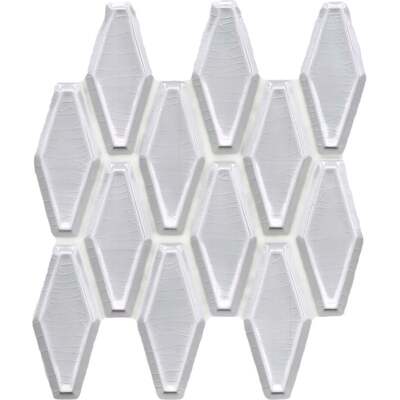
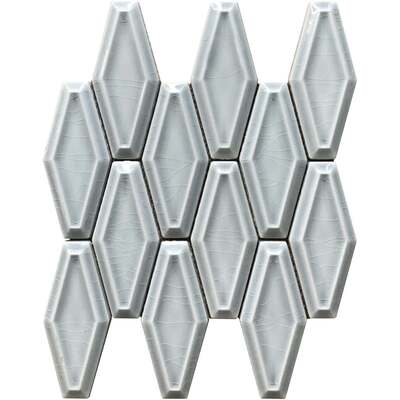
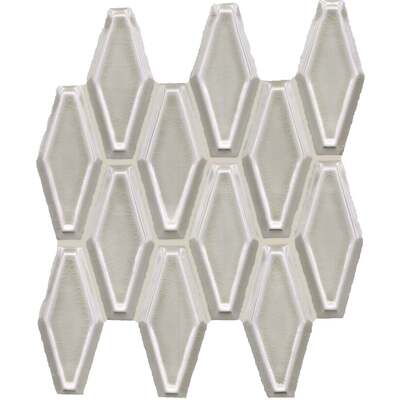


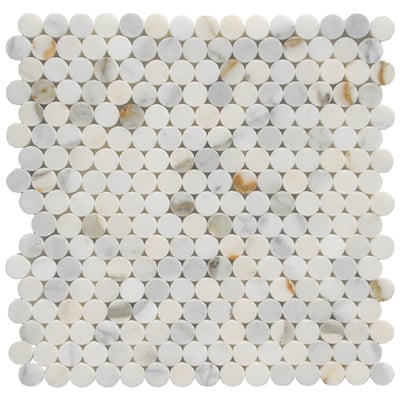





Frequently Asked Questions
How do I estimate how many mosaic sheets I need?
Most mosaic sheets cover approximately 1 square foot. Measure your wall or floor area in square feet, then add 10–15% for waste on straight patterns like brick or subway. For herringbone, hexagon, picket, or any shape requiring angled edge cuts, add 20%. Buy all sheets from the same dye lot at once — color shading varies between production runs, especially in stone and glass.
Can I install mosaic tile directly over drywall?
Only in dry areas like a kitchen backsplash above the counter. For showers, tub surrounds, and any wet zone, install over cement backer board or a waterproof membrane such as Schluter-Kerdi. Mesh-backed mosaics need a flat, rigid substrate — flexing drywall in a wet area will crack grout joints and let water reach the framing.
Should I use sanded or unsanded grout with mosaics?
Use unsanded grout for joints 1/16" to 1/8" wide, which covers most glass and small-format mosaics — sand particles can scratch glass faces. For joints wider than 1/8", typical with stone and larger porcelain mosaics, use sanded grout for crack resistance. Always check the manufacturer's spec sheet, since some glass mosaics specifically prohibit sanded grout.
How do I finish exposed mosaic edges at a backsplash or niche?
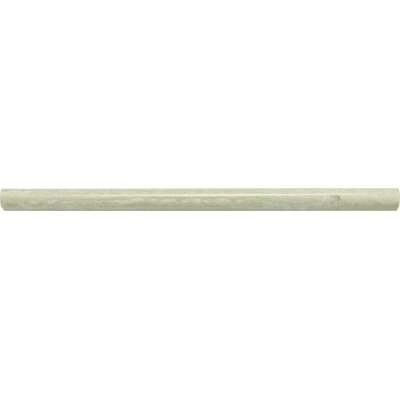
Three options: order matching bullnose or pencil-rail trim from the same collection, install a Schluter or metal edge profile for a clean modern reveal, or wrap the mosaic so the cut edge tucks into an inside corner. For pattern mosaics like hexagon or picket where edges are irregular, metal profiles often look cleaner than trying to cut individual pieces straight.
Why do my installed sheets show a visible grid pattern?
That's caused by installing sheets straight from one box in sequence — repeating color clusters from the same factory layout line up and read as a grid. Prevent it by shuffling sheets from 3–4 boxes during install and rotating every other sheet 90 or 180 degrees. This is especially important with blended-color stone, marble, and multi-tone glass mosaics.