








































Rectangular Bathroom Sinks for Modern Vanities
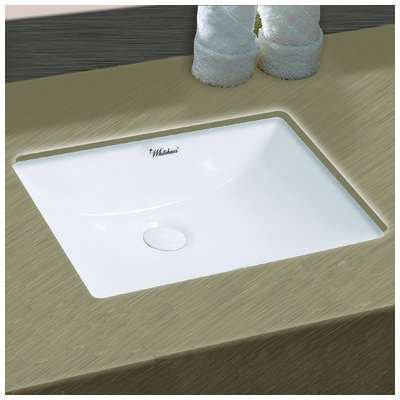
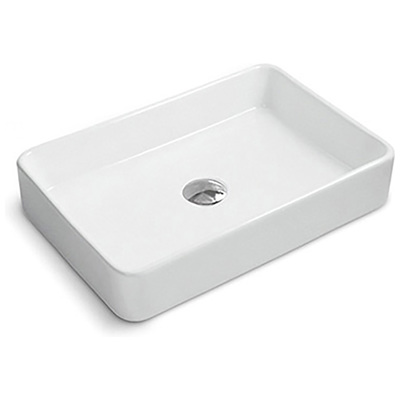
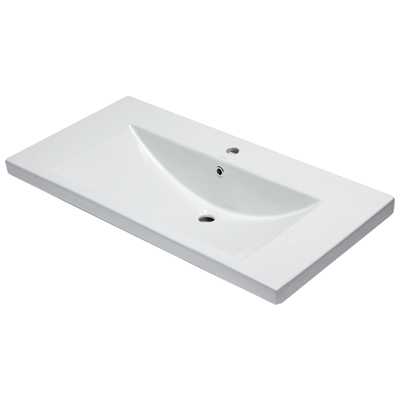
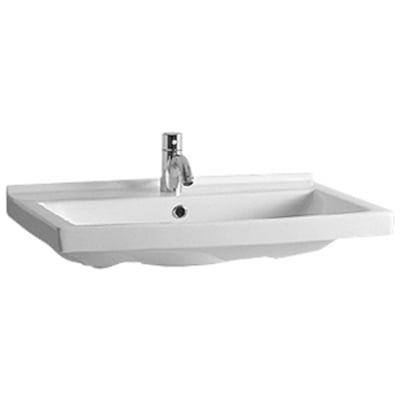
A rectangular bathroom sink delivers the sharp, geometric lines that define contemporary and minimalist design — the long basin maximizes usable wash area without forcing you to widen the vanity. Unlike round or oval bowls that taper at the edges, the straight walls of a rectangular basin keep more water inside the working zone, which is why architects favor them in floating-vanity bathrooms.
Browse the full bathroom sink collection or compare shapes against oval bathroom sinks and round bathroom sinks to see how silhouette changes the room. Rectangular basins pair especially well with wall-mounted single-lever faucets and slab-front vanities — the rectilinear language reinforces itself.
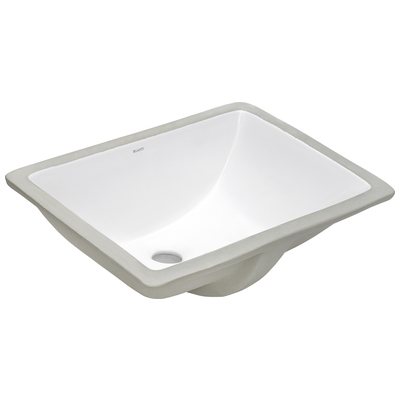
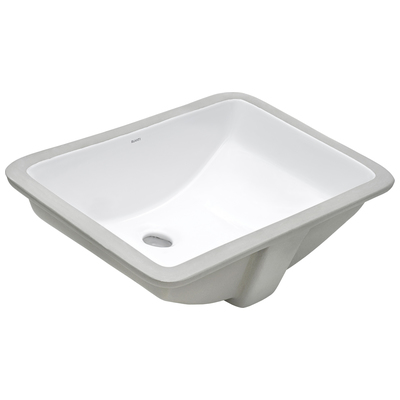
For the cleanest installation, see our rectangular undermount sinks, which hide the rim entirely beneath stone counters.
 FILTER BY

















Frequently Asked Questions
Why choose a rectangular sink over a round or oval one?
A rectangular basin holds more water within the working area because the walls run parallel to the counter edge instead of curving inward. That means less splashback when you fill the bowl and a longer usable washing zone — useful for face washing or filling tall vases. The straight-line geometry also matches slab-front vanities, large-format tile, and linear LED lighting common in modern bathrooms.
Are rectangular sink corners harder to clean?
The inside corners of a rectangular sink can collect soap residue and toothpaste that curved bowls flush away naturally. Look for basins with a softened internal radius (often 1/2 inch) rather than perfectly squared 90-degree corners. A soft toothbrush around the corner seams once a week prevents buildup, and choosing a glazed porcelain or polished stone surface makes wiping much easier than matte finishes.
What faucet works best with a rectangular sink?
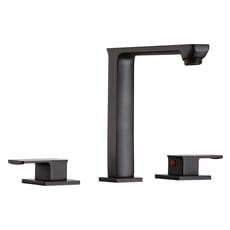
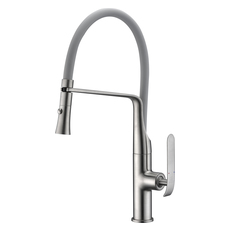
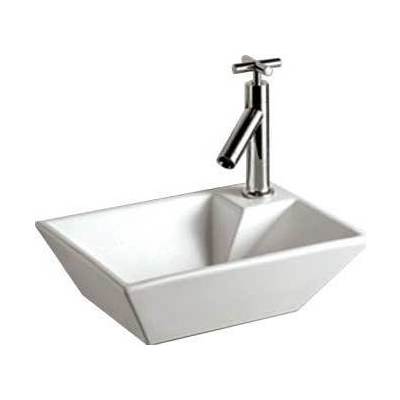
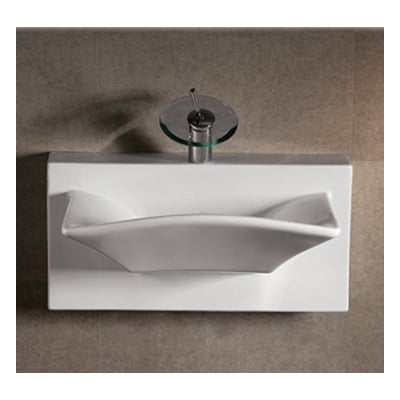
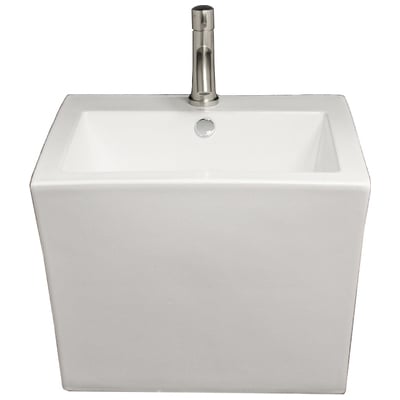
Rectangular sinks pair best with single-lever or wall-mounted faucets that echo the linear silhouette. For rectangular vessel sinks, choose a tall vessel-style faucet at least 6 inches taller than the basin rim. For undermount or drop-in rectangulars, an 8-inch widespread faucet visually balances a wider basin, while a single-hole faucet keeps a narrow basin uncluttered.
What vanity size fits a rectangular sink?
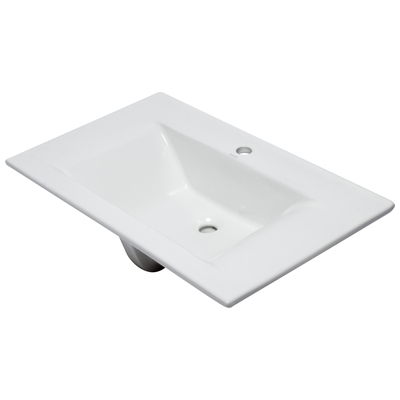
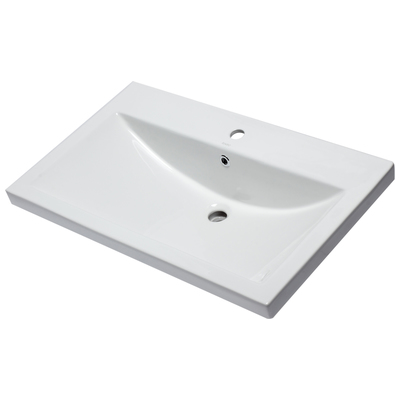
Most rectangular bathroom sinks measure 20" to 28" long, so they need at least a 30-inch vanity to leave 1–2 inches of counter on each side. Long narrow rectangulars (24"+ wide, under 14" deep) are designed for floating vanities at standard 21"–22" counter depth. For double-sink layouts, plan a 60-inch vanity minimum to keep 30 inches center-to-center between basins per code.
Can a rectangular sink be installed as undermount on any counter?
No — rectangular undermount sinks require a solid-surface counter like quartz, granite, marble, or solid-surface acrylic. Laminate counters cannot support an undermount because the exposed particleboard edge would absorb water. The straight cutout edges of a rectangular undermount also demand precise template work; a beveled or polished cutout edge looks cleanest because the entire perimeter is visible from above.