


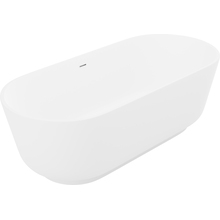





































Oval Bathroom Sinks for Every Vanity
An oval sink gives you a wider, elongated basin without claiming extra counter width — which is why it remains one of the most practical shapes for narrow vanities and powder rooms. The soft, rounded ends are easier to wipe clean than square corners, and the curve naturally guides water toward a centered drain instead of pooling at the edges.
The oval profile pairs well with both traditional and modern designs. It softens the look of a slab-front bathroom sink setup, balances the sharp lines of rectangular sinks on a double vanity, and feels less compact than a fully round sink in larger spaces.
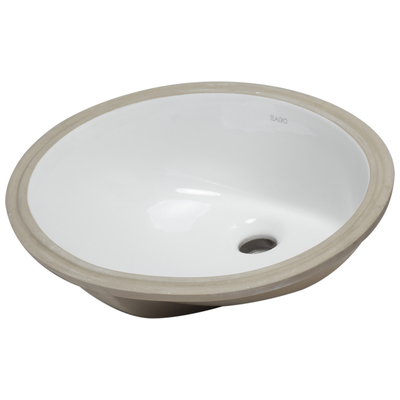
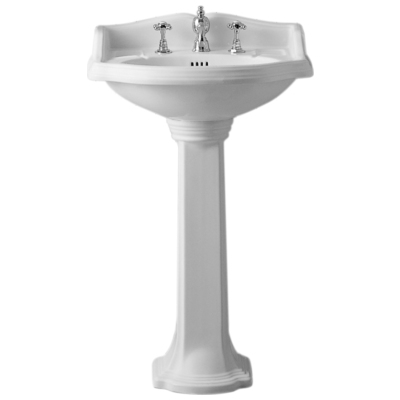
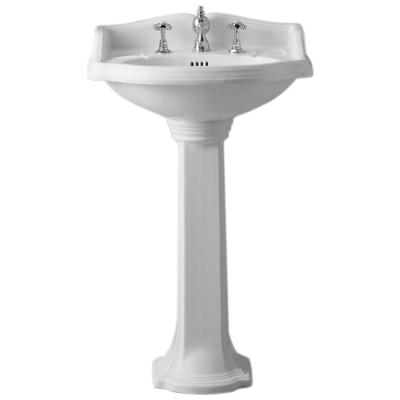
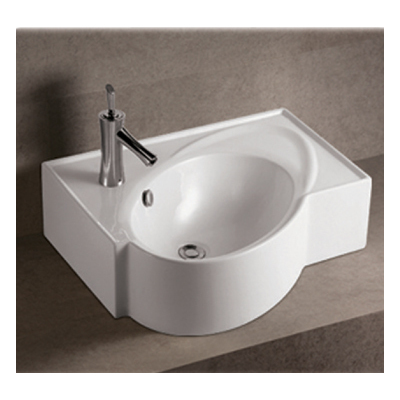
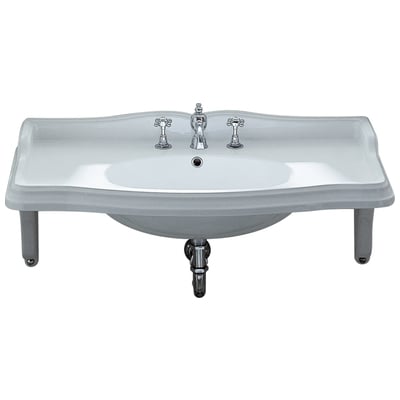
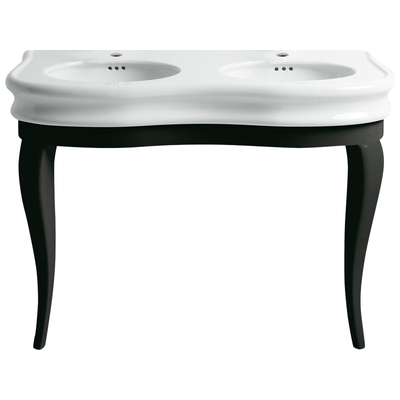
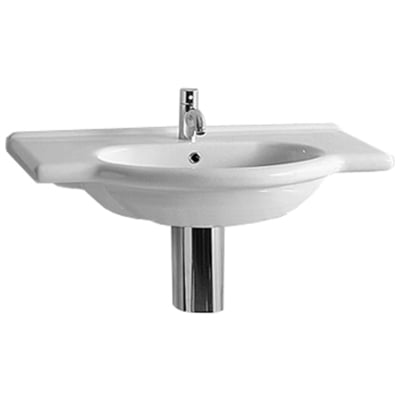
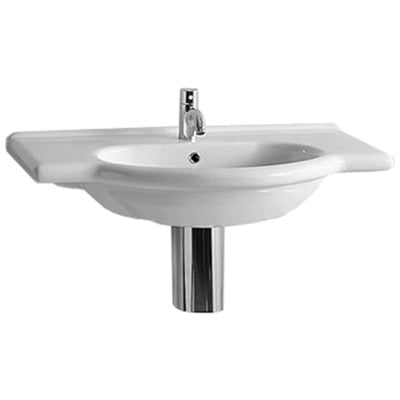
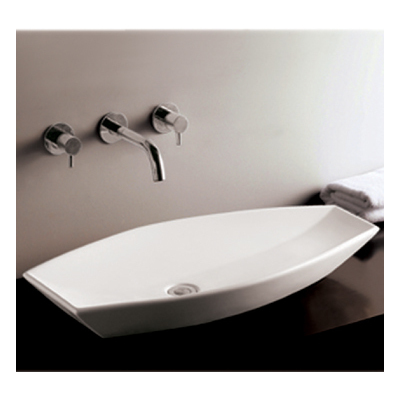
Browse oval basins across vessel, undermount, drop-in, and pedestal styles in ceramic, tempered glass, hammered copper, and natural stone.
 FILTER BY
















Frequently Asked Questions
Is an oval sink better than a round sink for a small bathroom?
Generally yes. An oval sink fits the same counter width as a round sink but gives you 4–6 more inches of basin length, so washing your face or filling a cup is easier. The trade-off is that ovals require a center-aligned drain along the long axis, so confirm your existing plumbing rough-in before swapping a round basin for an oval one.
What faucet style works best with an oval vessel sink?
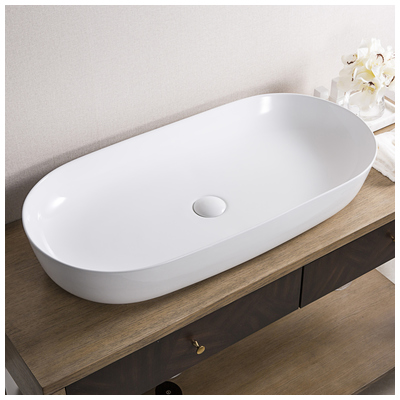
Oval vessels need a tall single-hole faucet with a spout that reaches at least one-third across the long axis of the bowl. A spout that's too short causes splashing at the back rim; one that's too long pushes water past the drain. Wall-mounted faucets also work well and emphasize the elongated curve of the basin.
Do oval sinks come with overflow drains?
It depends on the style. Drop-in and undermount oval sinks in ceramic or porcelain almost always include an overflow hole near the rear rim. Oval vessel sinks — especially in glass, copper, or stone — frequently skip the overflow for a cleaner sculptural look, so you'll need a grid or non-closing pop-up drain instead of a sealing one.
How do I template an oval cutout for an undermount installation?
Use the manufacturer's paper template rather than tracing the rim — undermount ovals need the cutout to sit just inside the basin edge so the rim hides the cut line. The fabricator should bond the sink to the underside of stone or quartz with two-part epoxy plus mounting clips. Silicone alone is not enough to hold an oval basin's weight long term.
Which materials are most common for oval bathroom sinks?
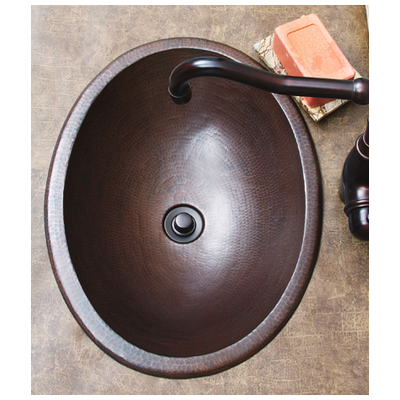
Oval is the default shape for ceramic and porcelain drop-in basins because the curved mold is easy to cast without stress cracks. You'll also find oval shapes in hammered copper (the curve highlights the hand-formed texture), tempered glass vessels, and carved natural stone like marble, travertine, and onyx.