





































Chrome Bathroom Faucets
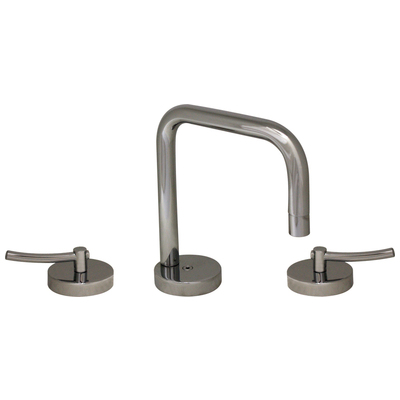
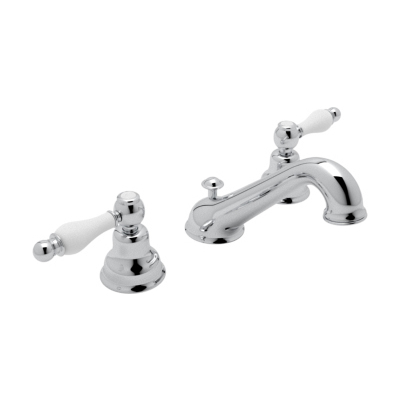
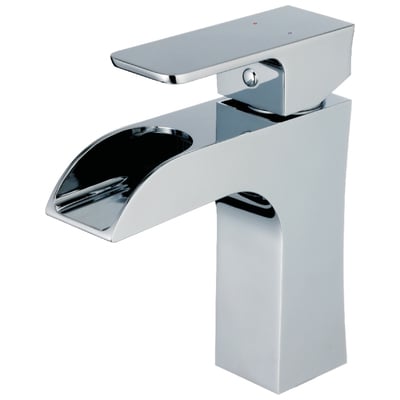
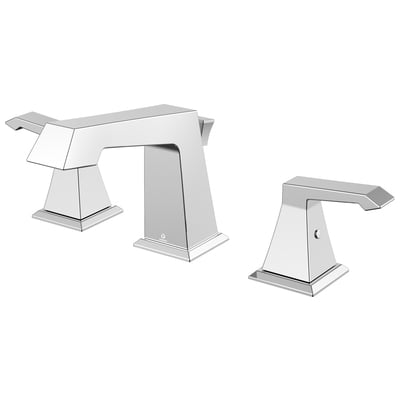
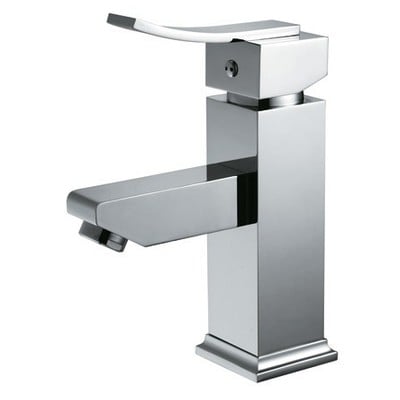
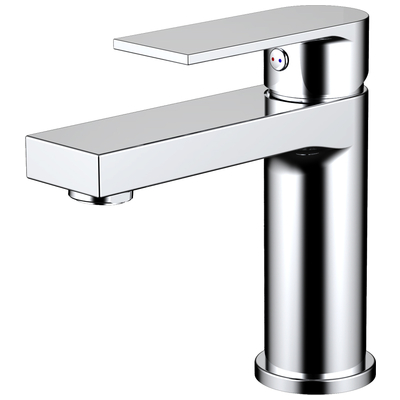
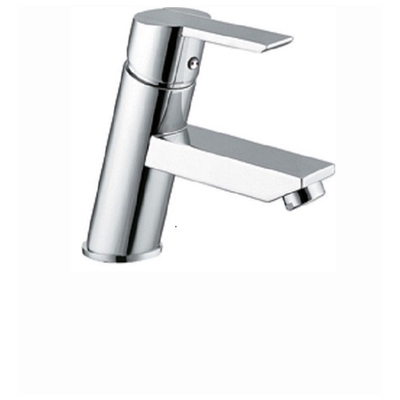
Chrome bathroom faucets remain the most popular choice for American bathrooms thanks to their highly reflective, mirror-bright surface and broad price range. The plated chrome finish resists tarnish and corrosion better than most metals, which is why it has been the industry standard on bathroom faucets for decades.
Unlike warmer or darker finishes, chrome works with virtually any color palette — white marble, gray quartz, navy cabinets, or classic wood vanities all pair well with its cool silver tone. It also coordinates effortlessly with stainless steel accessories, glass shower enclosures, and most lighting fixtures, so you don't have to match metals across every piece in the room.
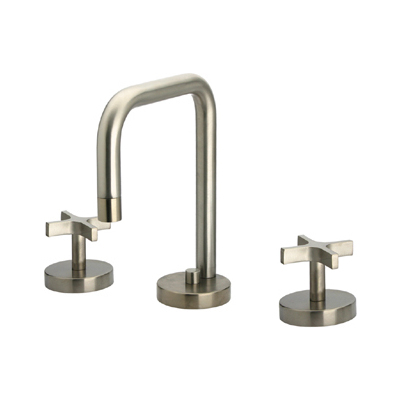
If you prefer a softer look that hides water spots, compare these to brushed nickel faucets. For a bolder, modern contrast, browse matte black options or warm oil-rubbed bronze alternatives.
 FILTER BY















Frequently Asked Questions
Does a chrome faucet show water spots and fingerprints?
Yes — more than any other finish. Chrome's highly reflective surface makes mineral spots, soap residue, and fingerprints very visible, especially in homes with hard water. A quick daily wipe with a soft microfiber cloth keeps it mirror-bright. If your household won't tolerate daily maintenance, a brushed nickel or satin finish hides spots much better while keeping a similar silver tone.
How do I clean a chrome bathroom faucet without damaging the finish?
Use warm water, mild dish soap, and a soft cloth — never abrasive pads, steel wool, or scouring powders, which scratch the plated surface. For stubborn water spots, a 50/50 mix of white vinegar and water works, but rinse it off within a minute and dry the faucet. Avoid bleach-based or ammonia cleaners, which can dull the chrome plating over time.
Does chrome match other metals in the bathroom?
Chrome is the most versatile metal finish for mixing. Its neutral cool tone pairs naturally with stainless steel appliances, polished nickel, and even warm finishes like brass when used as an accent. For the cleanest look, match the faucet finish to the showerhead, towel bars, and cabinet hardware. Chrome also works seamlessly with clear glass shower doors and white porcelain sinks.
Is chrome more affordable than other faucet finishes?
Generally, yes. Chrome plating is the industry-standard finish and is typically the lowest-cost option on any given faucet model. Specialty finishes like oil-rubbed bronze, matte black, or Italian brass usually carry a 10–25% upcharge because they require additional coating steps. If you're outfitting multiple bathrooms or working with a tight budget, chrome delivers durability without the premium.
Will a chrome faucet tarnish or rust over time?
Quality chrome is extremely resistant to tarnish and corrosion because the plating creates a sealed barrier over the underlying brass or zinc body. Unlike living finishes such as copper or oil-rubbed bronze, chrome will not patina or change color. Lower-quality chrome can pit or flake after years of harsh cleaner use, which is why faucets with solid brass bodies and triple plating last decades in everyday use.