





































Brushed Nickel Bathroom Faucets
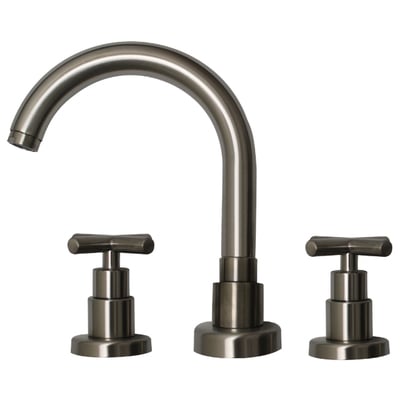
A brushed nickel faucet is the most forgiving finish you can put in a bathroom — its softly textured satin surface scatters light instead of reflecting it, so water spots, toothpaste splatter, and fingerprints essentially disappear between cleanings. That makes it the go-to choice for busy family baths, guest powder rooms, and rental properties where daily polishing isn't realistic.
The warm gray-silver tone reads neither too cool like chrome nor too dark like oil-rubbed bronze, which is why brushed nickel pairs effortlessly with white marble, gray quartz, wood-tone vanities, and almost every cabinet color. It also coordinates with stainless appliances if your bath sits near a kitchen or laundry area.
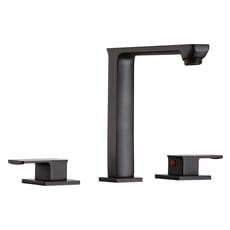
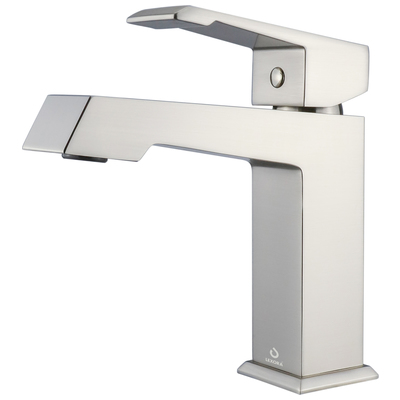
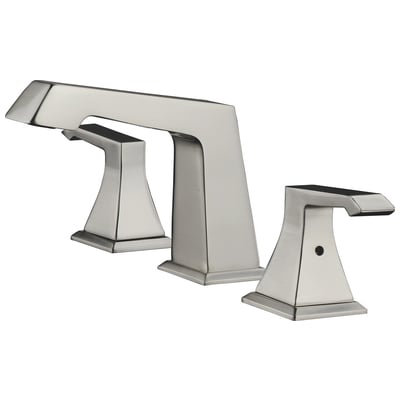
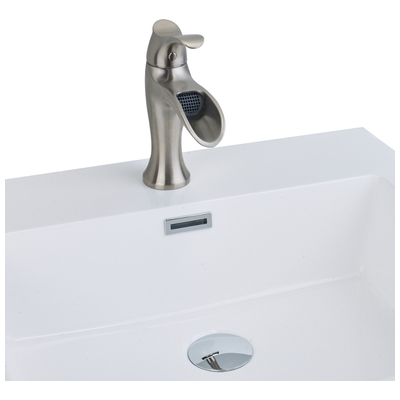
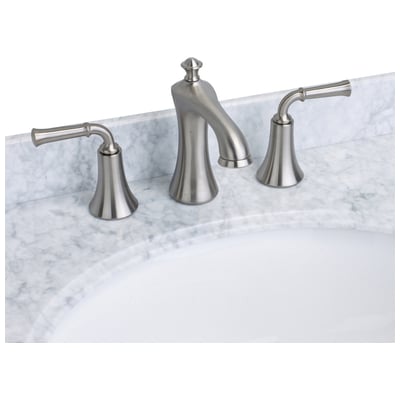
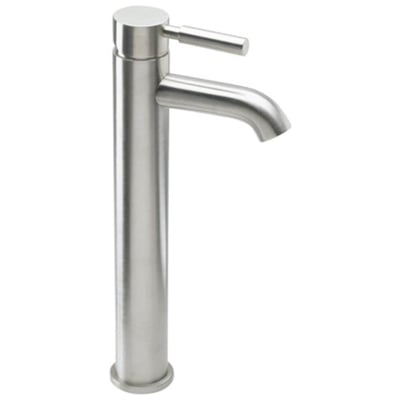
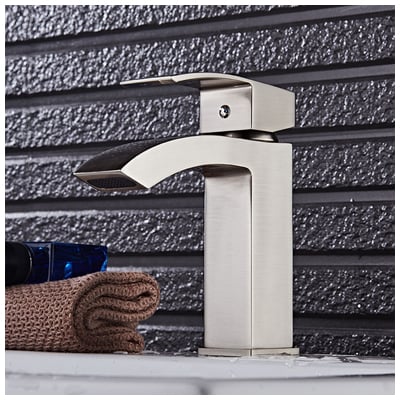
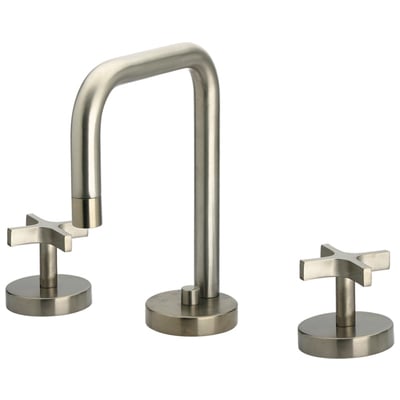
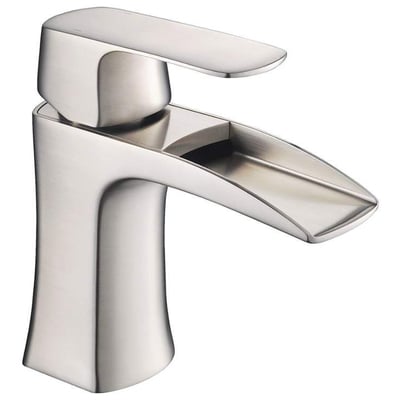
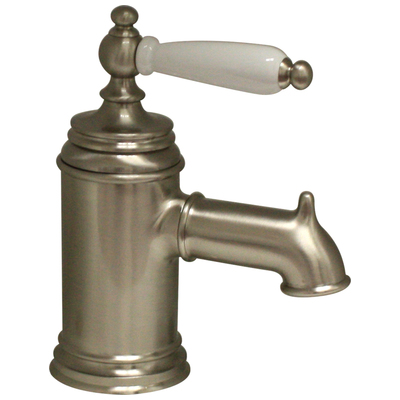
Browse the full collection of bathroom faucets in brushed nickel across centerset, widespread, wall-mounted, and vessel styles to match your sink's hole configuration.
 FILTER BY

















Frequently Asked Questions
Does a brushed nickel faucet really hide water spots?
Yes — this is the main reason brushed nickel outsells polished finishes. The fine directional grain on the surface diffuses light, so dried water minerals and fingerprints blend in instead of standing out as they do on chrome or polished nickel. Most homeowners get away with wiping the faucet once or twice a week rather than after every use.
Will brushed nickel match my existing chrome or stainless fixtures?
Brushed nickel reads warmer and softer than chrome, so the two finishes don't blend within the same vanity area. However, brushed nickel coordinates well with stainless steel appliances and brushed chrome hardware in adjacent rooms. If you're mid-renovation, swap shower trim and towel bars to brushed nickel for a unified look.
How do I clean a brushed nickel faucet without ruining the finish?
Use mild dish soap and warm water on a soft cloth, then dry with microfiber. Avoid steel wool, scouring pads, ammonia, bleach, and acidic descalers like vinegar straight from the bottle — these can dull the brushed grain or damage the PVD coating. For hard water buildup, a 50/50 vinegar-water mix applied briefly with a soft cloth, then rinsed, is safe.
Is brushed nickel the same as satin nickel or stainless steel?
They're close cousins but not identical. Brushed nickel has a visible directional grain. Satin nickel is smoother with a softer, more uniform sheen. Stainless steel reads cooler and grayer. Within a single manufacturer's line they often look interchangeable, but mixing brands of nominally similar finishes can show subtle differences — buy coordinating pieces from one collection.
What style of bathroom does brushed nickel work best in?
Brushed nickel is the most versatile finish available — it suits transitional, contemporary, traditional, and farmhouse bathrooms equally well. It's a particularly safe choice for homes you may sell within a few years, since the neutral tone appeals to the widest range of buyers and won't read as dated the way trendier finishes can.