










































Resin Freestanding Bathtubs
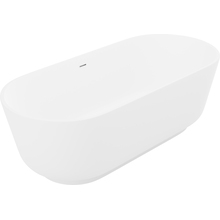
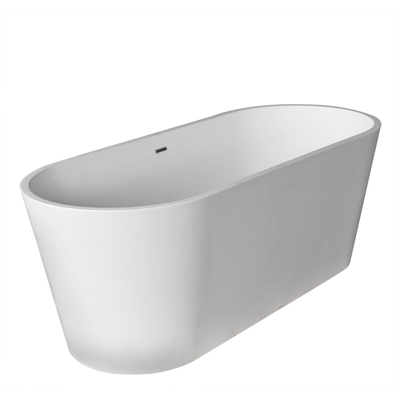
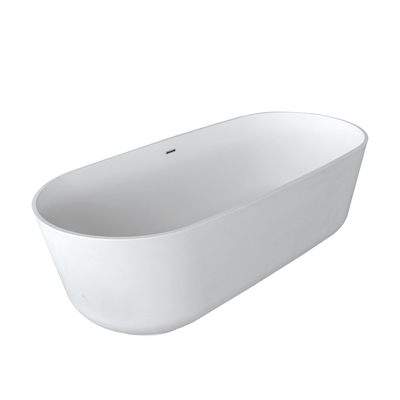
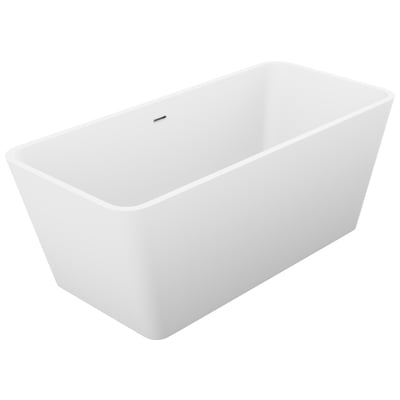
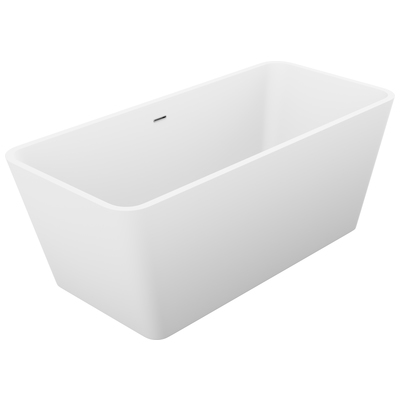
A resin freestanding tub blends crushed stone or mineral powder with polymer binders to produce a dense, warm-feeling shell that holds heat far longer than acrylic but weighs roughly half what cast iron does. That balance is what makes resin a practical choice for second-floor primary suites where homeowners want the solid-surface look without sistering joists.
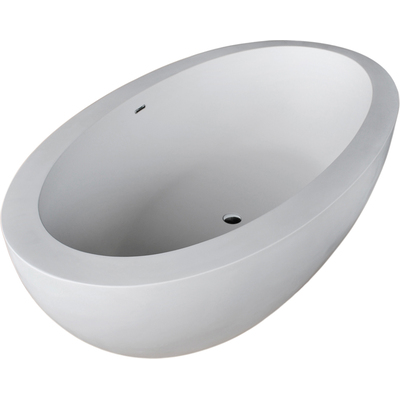
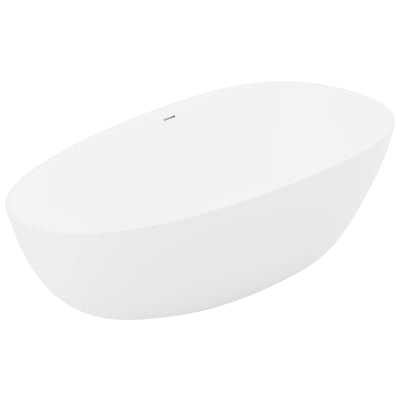
Because these tubs are freestanding, they install with a floor-mounted drain rough-in rather than a wall drain — the waste line must come up through the finished floor at the exact location specified by the manufacturer's template. Most resin shells are also moldable into sculptural curves and asymmetric profiles you simply cannot get in cast iron.
Compare options across all freestanding bathtubs, or weigh resin against acrylic freestanding and cast iron freestanding models in the broader bathtub catalog.
 FILTER BY







Frequently Asked Questions
Does a resin freestanding tub need extra floor support?
Usually no. A typical 60-inch resin freestanding tub weighs 150–250 lbs empty and 600–700 lbs filled with water and a bather. Standard 2x10 floor joists at 16-inch spacing handle this load within code. Resin is roughly half the weight of cast iron, which is one of the main reasons designers choose it for upstairs bathrooms where reinforcing joists is impractical.
How does resin compare to acrylic for heat retention?
Resin holds heat noticeably longer. The mineral content acts as thermal mass, absorbing warmth from the bathwater and radiating it back, similar to how stone benchtops stay warm. An acrylic tub of the same size loses bath temperature in roughly 20–25 minutes; a stone resin tub typically stays comfortable for 35–45 minutes — meaningful for long soaks without topping up hot water.
What drain rough-in does a freestanding resin tub require?
A floor-mounted drain. The waste pipe comes up through the finished floor at a precise location given on the manufacturer's template. Unlike alcove tubs that drain into the wall cavity, freestanding installation means your plumber must rough in the drain before the floor is finished. Retrofitting from an existing alcove drain almost always means opening the subfloor to reroute the line.
Can scratches in a resin tub be repaired?
Yes — this is one of resin's advantages over enameled cast iron. Light scratches and dull spots can be sanded with progressively finer grits and polished out, much like a solid-surface countertop. Matte finishes are easiest to blend; high-gloss resin requires more careful polishing to match the surrounding sheen. Avoid abrasive powder cleaners, which can dull the finish over time.
What faucet style works best with a resin freestanding tub?
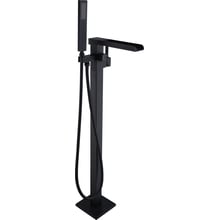
A floor-mount freestanding faucet is the most common pairing because it preserves the sculptural silhouette resin tubs are designed to show off. Wall-mount faucets work if the tub sits within 12 inches of a finished wall. Deck-mount faucets are rarely an option since most resin freestanding tubs have thin, contoured rims not engineered to support a faucet body.