




































Hammered Copper Bathtubs
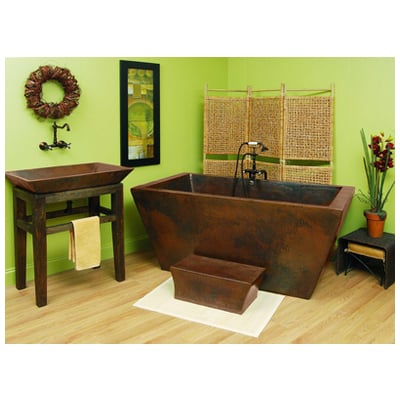
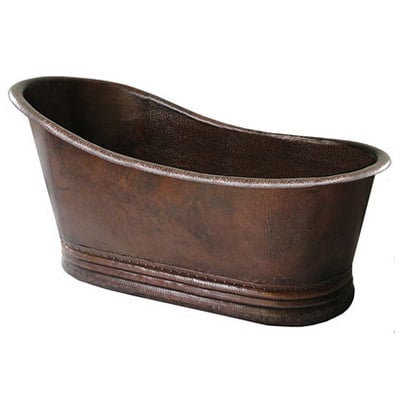
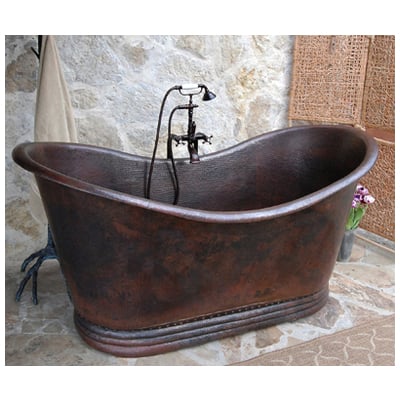
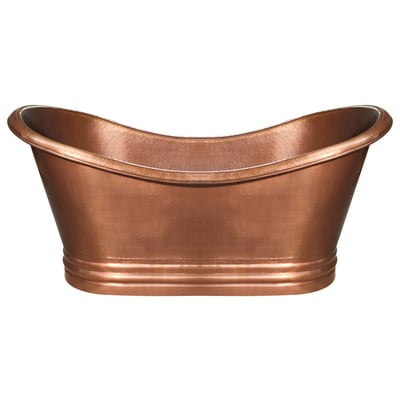
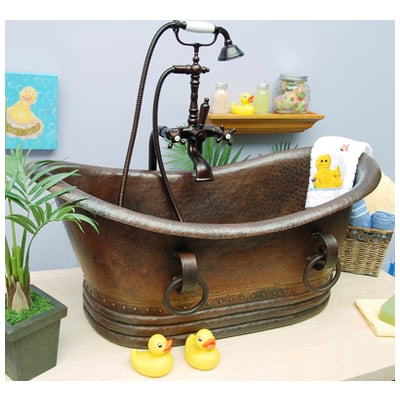
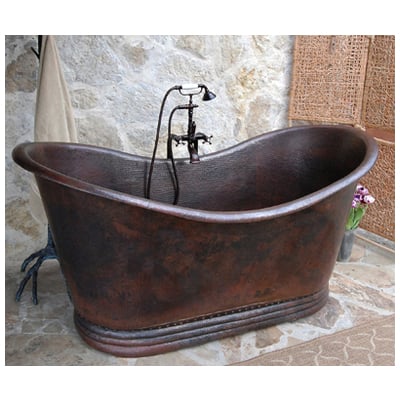
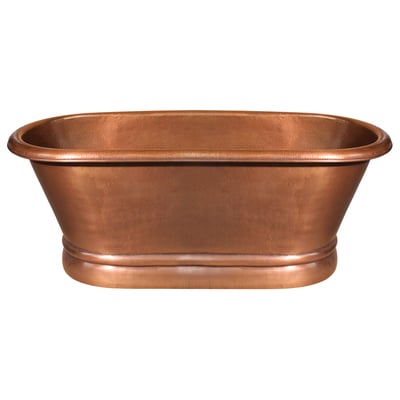
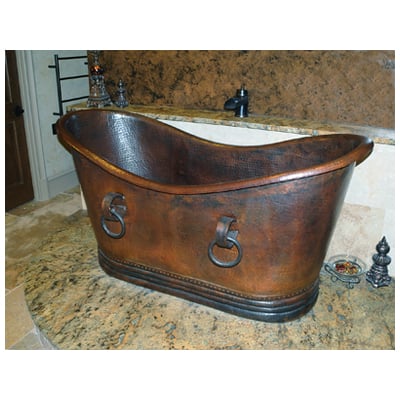
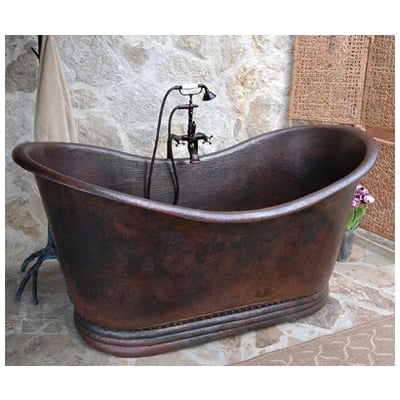
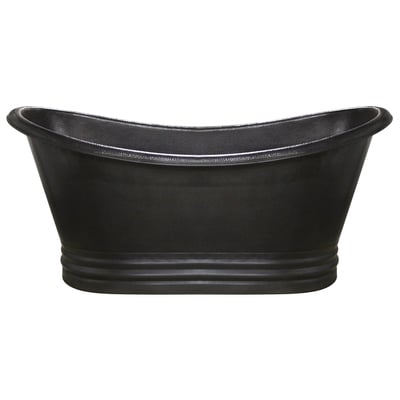
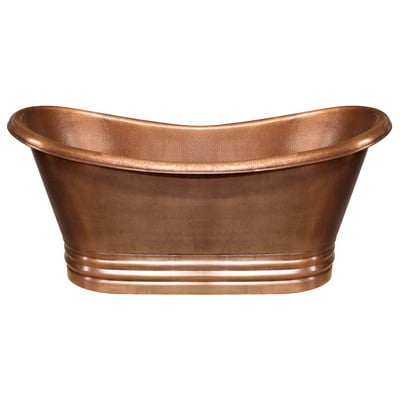
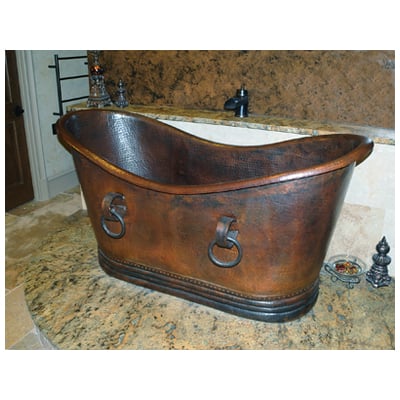
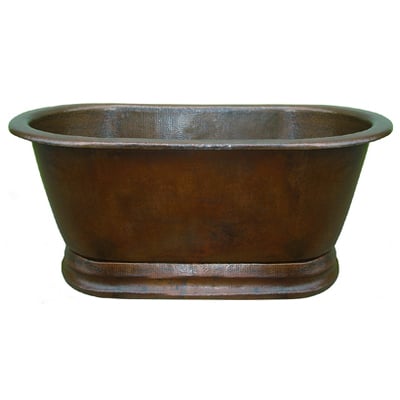
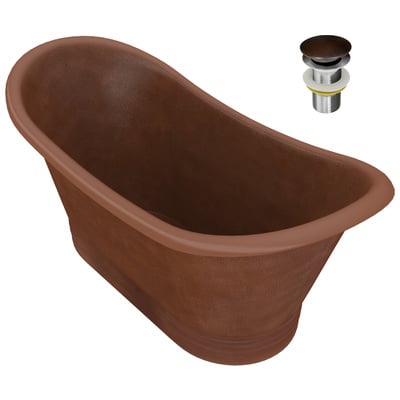
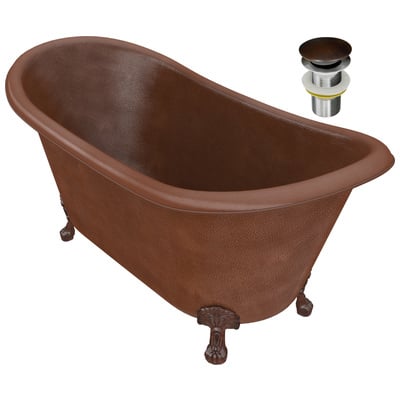
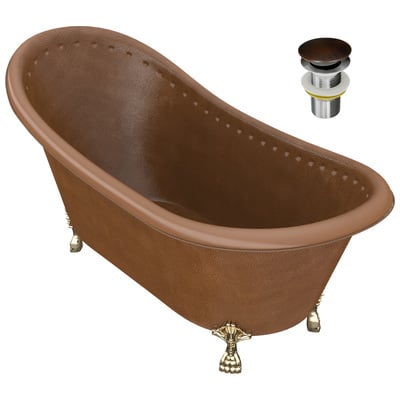
A hammered copper bathtub is a handcrafted statement piece that develops a living patina over time, shifting from bright rose-copper to deep antique brown as it ages. Unlike mass-produced acrylic tubs stamped from a single mold, each copper tub is hand-hammered by an artisan, so no two surfaces are identical.
Copper retains heat far longer than acrylic or fiberglass — second only to cast iron — which makes it ideal for long soaks where you don't want to keep adding hot water. At 80–120 pounds empty for a standard 60-inch tub, copper is also significantly lighter than cast iron, so most second-floor installations don't require additional joist reinforcement.
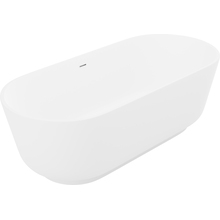
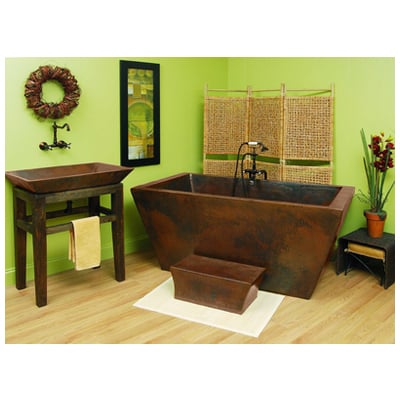
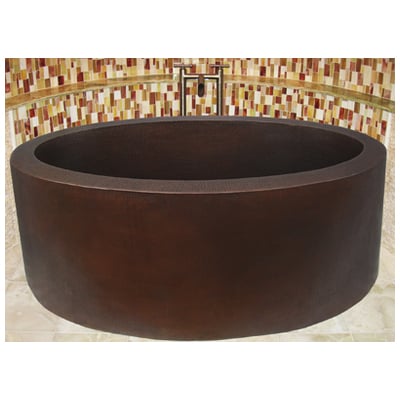
Browse the full bathtub collection or filter by clawfoot, Japanese soaking, or freestanding silhouettes to find a copper tub that fits your bathroom layout and plumbing rough-in.
 FILTER BY
Frequently Asked Questions
Do I need to seal or wax a copper bathtub?
It depends on the look you want. Unsealed copper develops a darker patina from water minerals and skin oils, eventually settling into a deep bronze-brown. Waxed copper stays brighter longer — reapply a copper-safe paste wax every 6–12 months. Avoid lemon, vinegar, or any acidic cleaner: they strip the patina and create bright spots that take months to blend back in.
Will a copper tub turn green like outdoor copper?
No. The blue-green verdigris you see on roofs and statues forms only with prolonged exposure to rain and air pollution. Indoor copper tubs develop a brown-to-black patina, not green. The interior, which is regularly rinsed with bathwater, stays smoother and lighter than the exterior, which darkens faster from handling and ambient air.
How well does a copper bathtub hold heat compared to acrylic?
Copper is a fast heat conductor, so the tub walls warm up to bath temperature within a minute or two and then radiate that warmth back into the water. In practice, a copper soaking tub holds bath temperature 30–45 minutes longer than acrylic at the same starting temperature. Cast iron retains heat slightly longer, but copper warms up faster initially.
Does a copper tub need extra floor support?
For most installations, no. A 60-inch copper tub weighs 80–120 pounds empty and roughly 600 pounds filled with water and a bather. Standard 2x10 floor joists at 16-inch spacing handle this load on second floors without modification. By comparison, a cast iron tub of the same size is 250–350 pounds empty and may warrant a sister joist.
What faucet finish pairs best with a hammered copper tub?
Oil-rubbed bronze and unlacquered brass are the most common pairings — both warm metals echo the copper tones and patina together over time. Antique copper and matte black also work for a more contrasted look. Avoid polished chrome and brushed nickel: cool-tone finishes fight the warm copper and read as mismatched in most lighting.