




































Soaking Tubs for Deep, Quiet Bathing
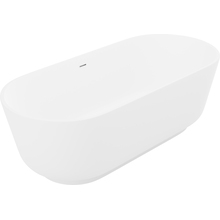
Soaking tubs are non-jetted bathtubs designed around one priority: getting water deep enough to cover your shoulders while you sit. Unlike whirlpool tubs or jetted models, a soaker has no pump, no motor, and no recirculation lines — which means no GFCI circuit, no annual line flushing, and no humming when you want silence.
The defining spec is interior depth. A standard alcove tub holds 12–13 inches of water before reaching the overflow; a true soaker holds 14–18 inches, and Japanese-style ofuro designs reach 20–24 inches in a shorter footprint. That extra depth is what lets the water cover your collarbone instead of your ribcage.
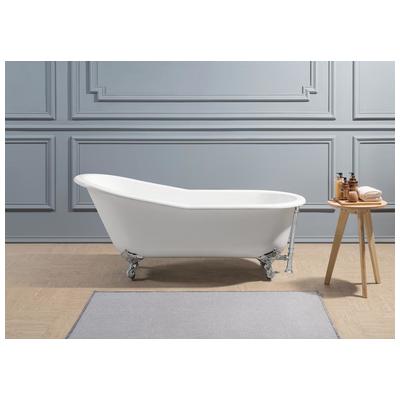
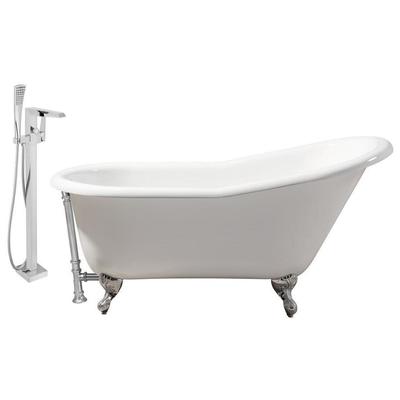
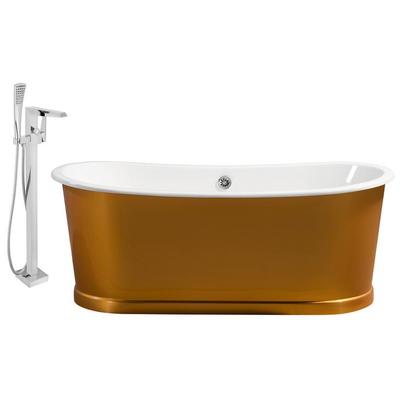
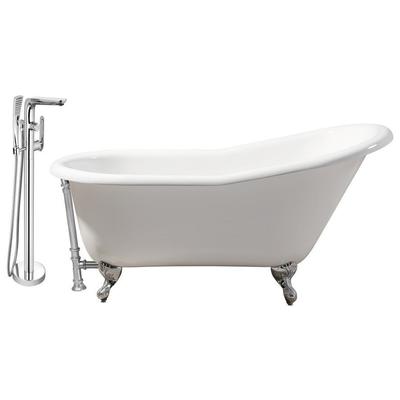
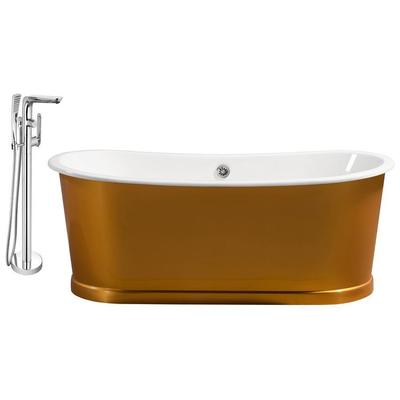
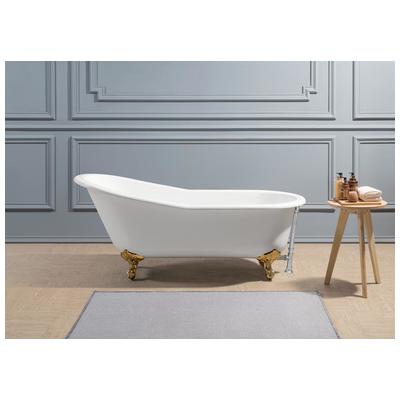
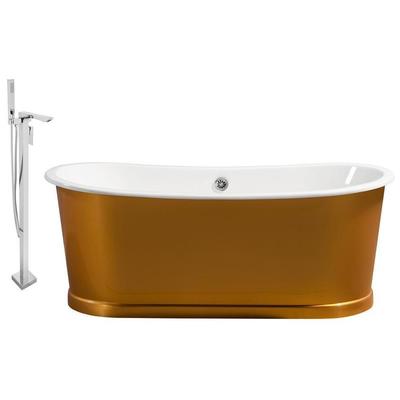
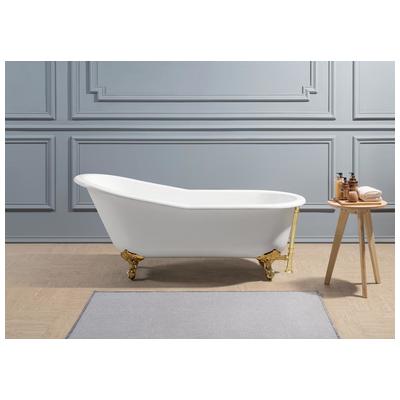
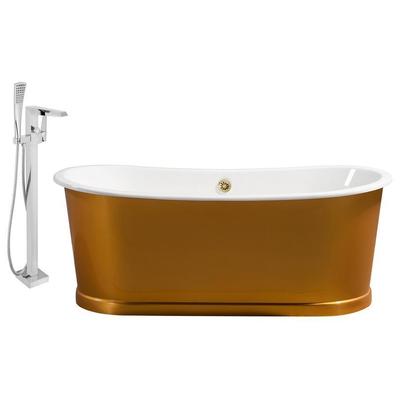
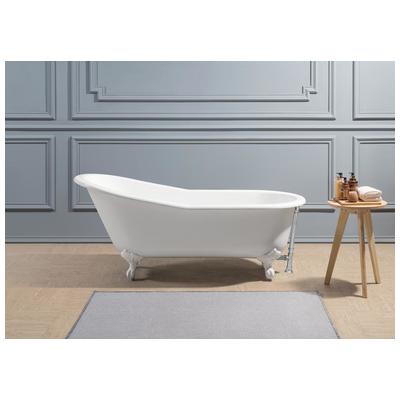
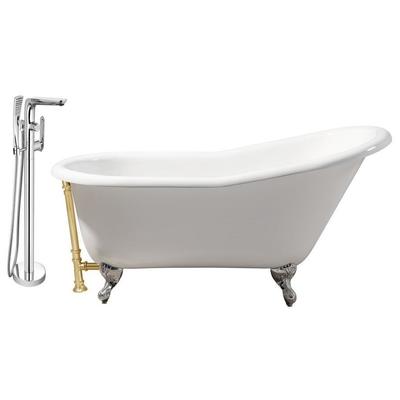
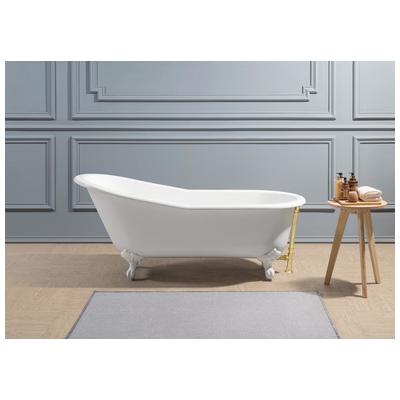
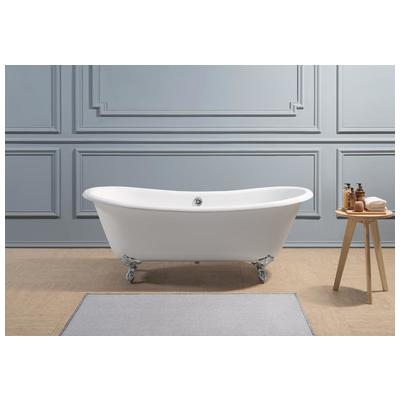
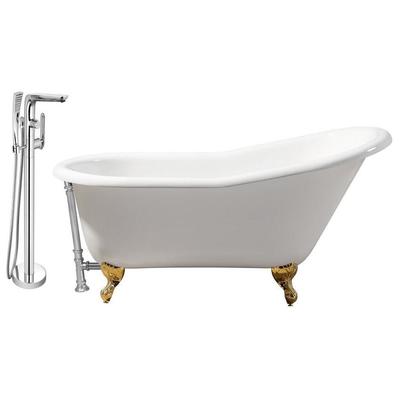
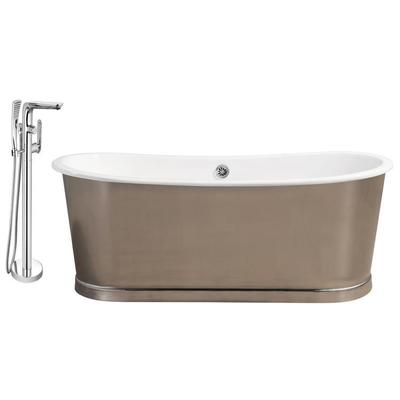
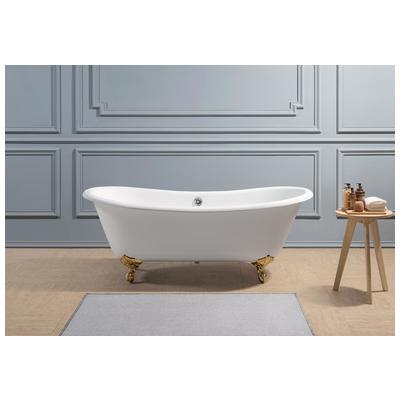
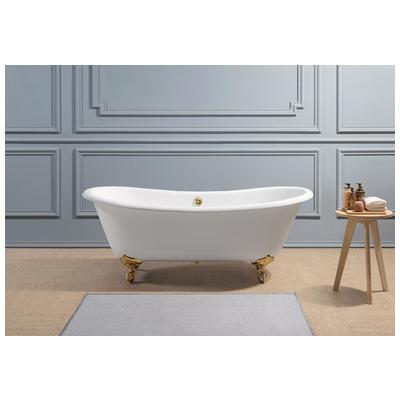
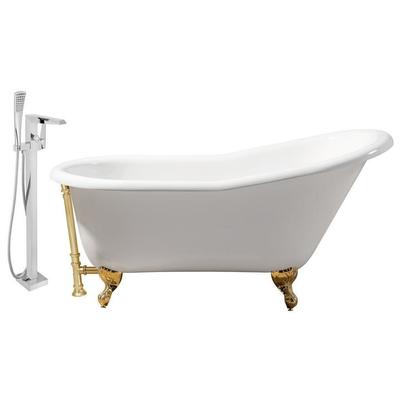
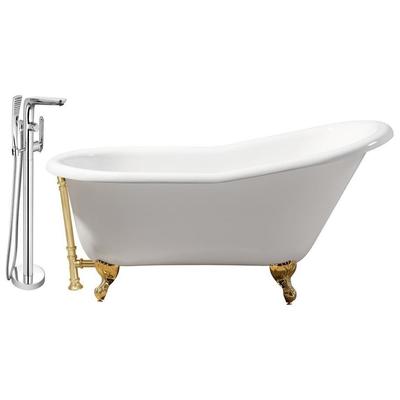
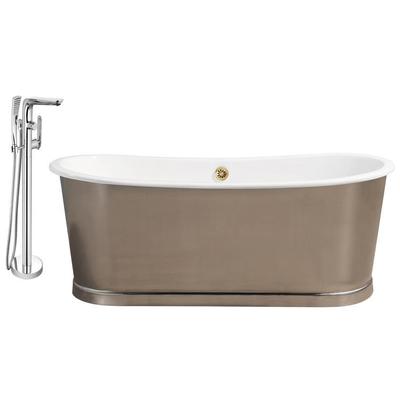
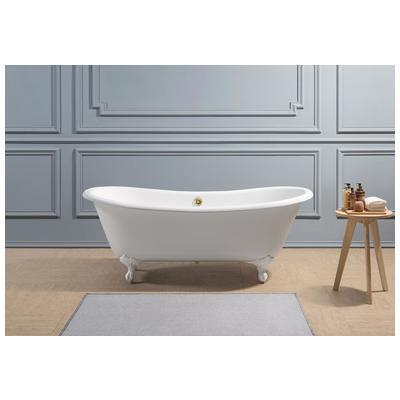
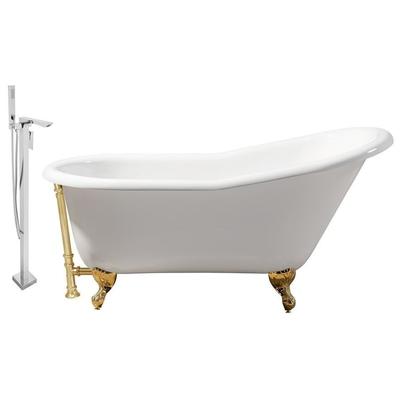
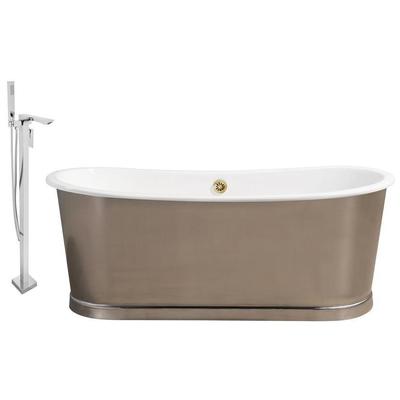
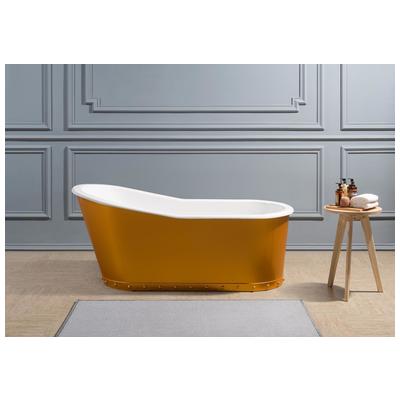
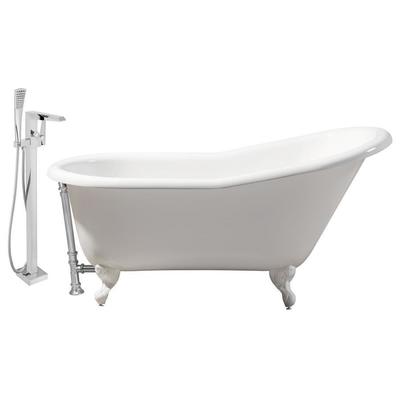
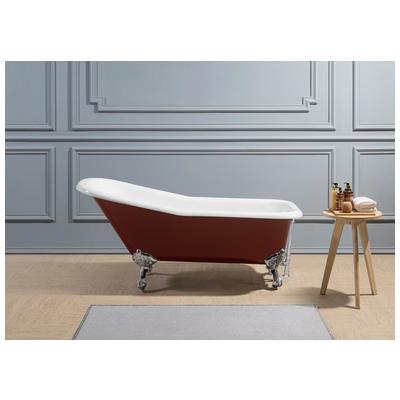
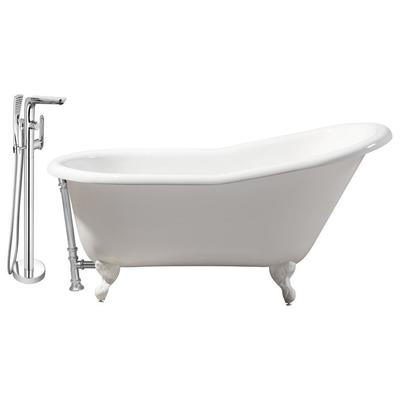
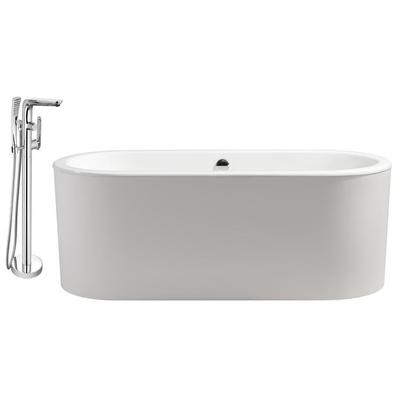
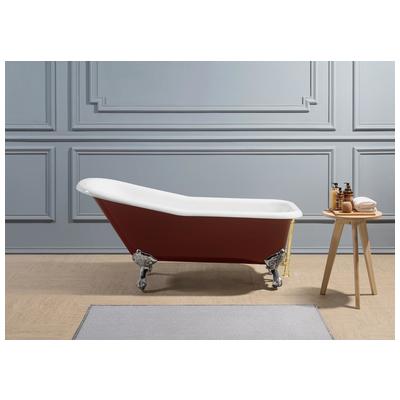
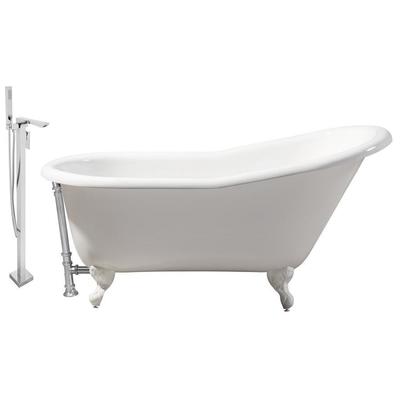
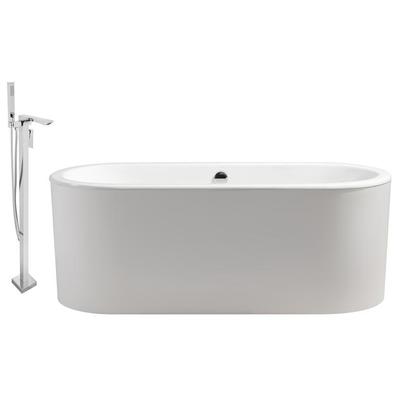
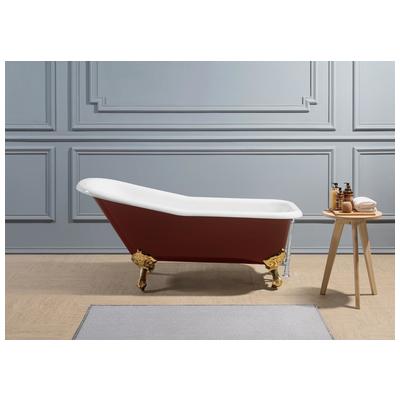
Soakers are available across every bathtub material and installation type — from a 60-inch cast iron alcove soaker to a freestanding clawfoot with floor-mount filler.
 FILTER BY













Frequently Asked Questions
How is a soaking tub different from a regular bathtub?
A soaking tub is built deeper than a standard bathtub so the water covers your shoulders when seated. Standard alcove tubs hold roughly 12 inches of water before hitting the overflow; soakers hold 14–18 inches, and Japanese-style soakers reach 20+ inches. They also have no jets, pump, or motor, which makes them quieter and lower-maintenance than whirlpool or air tubs.
Do soaking tubs need a special electrical hookup?
No. Because a soaking tub has no pump, blower, or heater, it requires no dedicated electrical circuit — only standard hot and cold water supply lines and a drain. This is one of the practical advantages over jetted or whirlpool tubs, which need a GFCI-protected 20-amp circuit. It also means simpler installation in older homes where adding a dedicated circuit would mean opening walls.
How do you keep the water hot in a soaking tub?
Without a built-in heater, soaking tubs rely on water heater capacity and material insulation. A 60-inch soaker holds 50–70 gallons, so a 50-gallon water heater can fill it but won't have much reserve. Cast iron and copper tubs hold heat the longest; insulated acrylic models add a fiberglass jacket that slows heat loss. Filling close to the overflow and closing the bathroom door also helps maintain temperature.
How deep should the water be in a soaking tub?
Comfortable shoulder coverage for an average adult sitting upright requires 15–17 inches of water depth. Below 14 inches, the water only reaches the ribs. Japanese ofuro-style soakers go deeper — 20–24 inches — but you sit on an integrated bench rather than reclining. Always look at the overflow height on the spec sheet, since that determines maximum fill, not the tub's outer height.
Can I install a soaking tub upstairs?
Yes, but check the loaded weight. A 60-inch soaker holds about 60 gallons (500 lbs of water) plus a 200 lb bather, so total live load is around 700 lbs. Add the tub itself: 70 lbs for acrylic, 300 lbs for cast iron. Standard 2x10 joists at 16-inch spacing handle most installations, but cast iron or stone resin soakers on older 2x8 framing may benefit from a sister joist.