




































Clawfoot Bathtubs
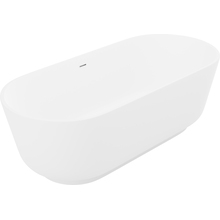
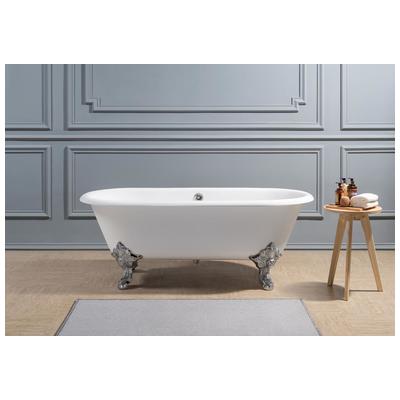
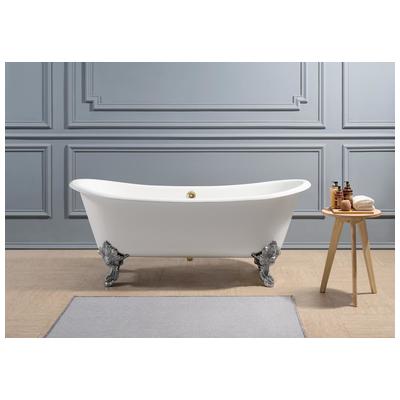
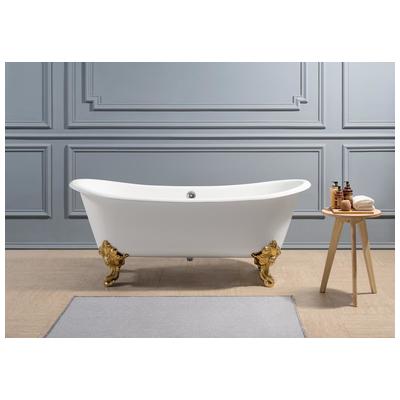
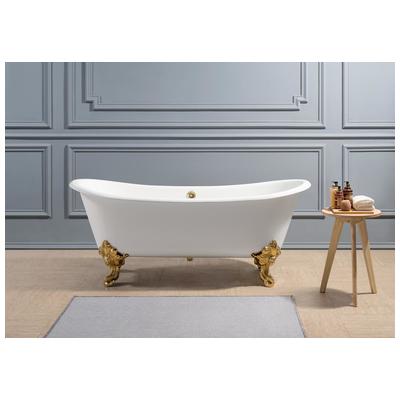
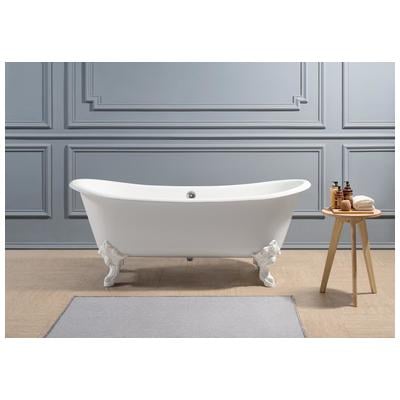
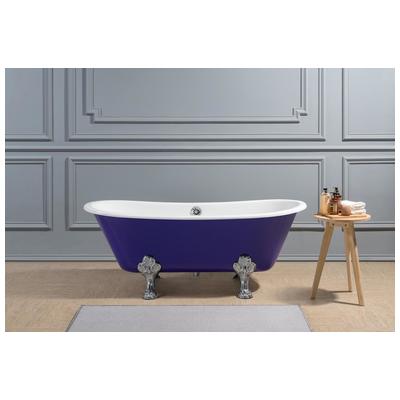
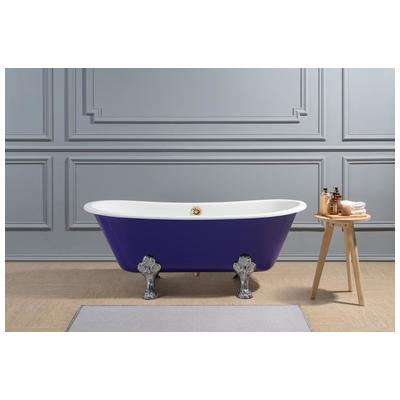
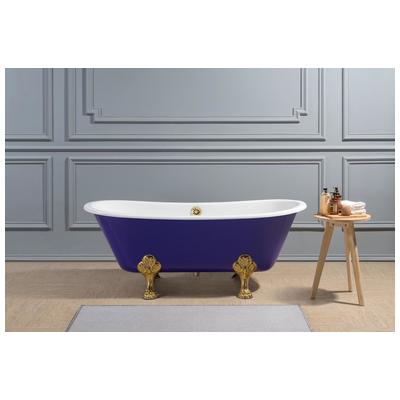
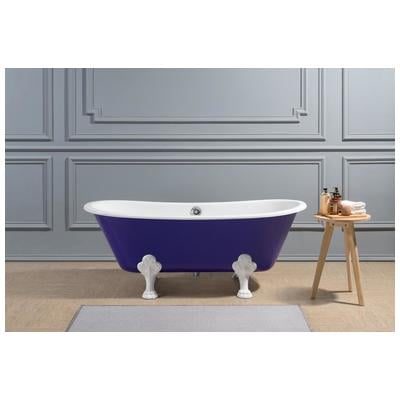
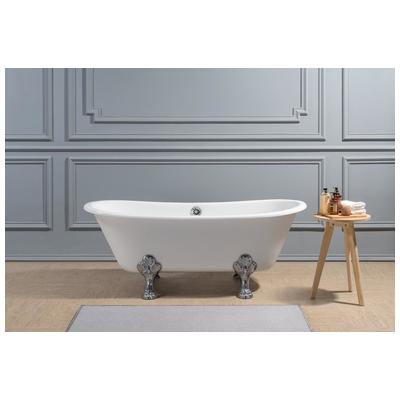
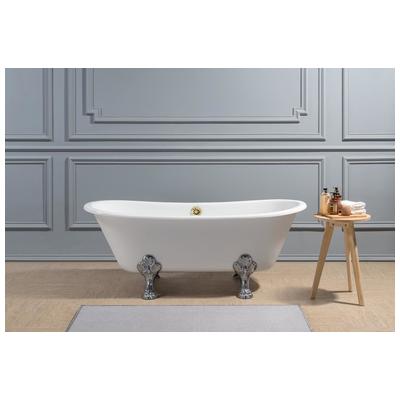
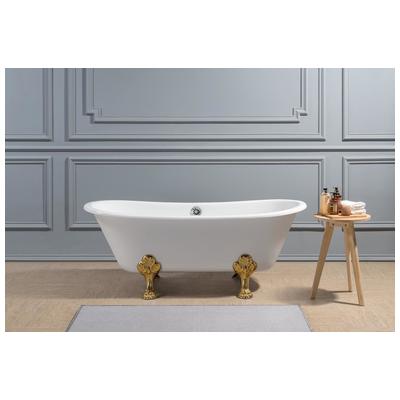
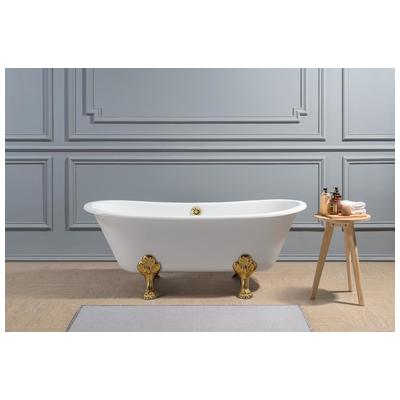
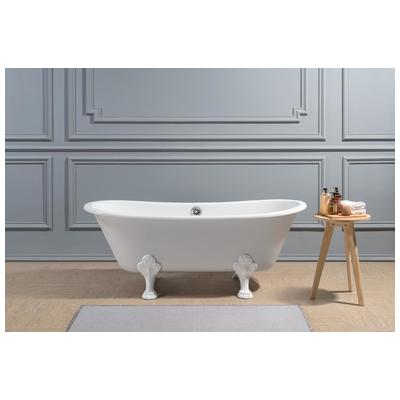
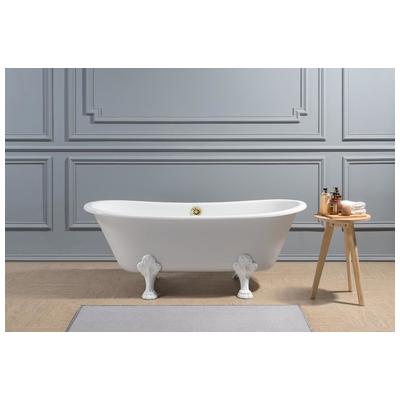
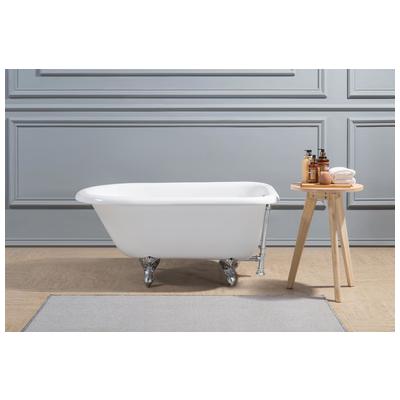
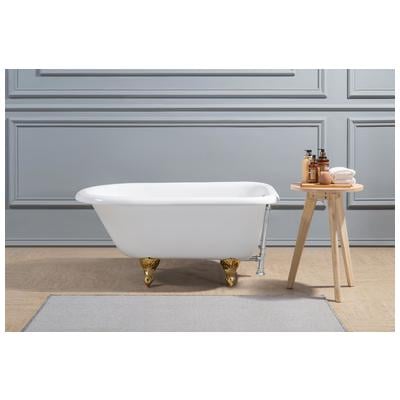
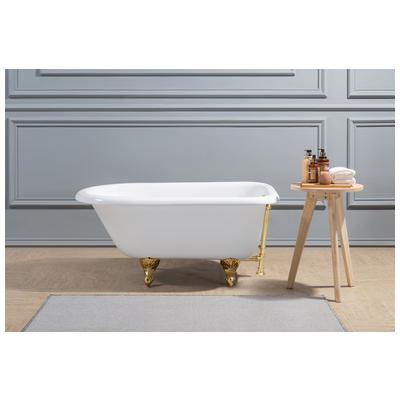
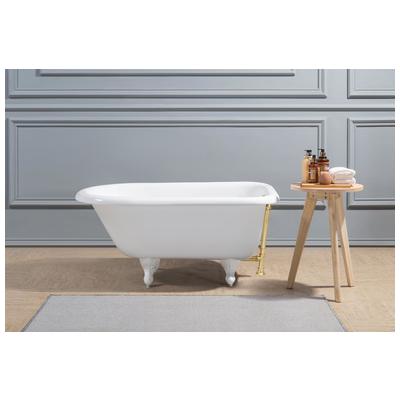
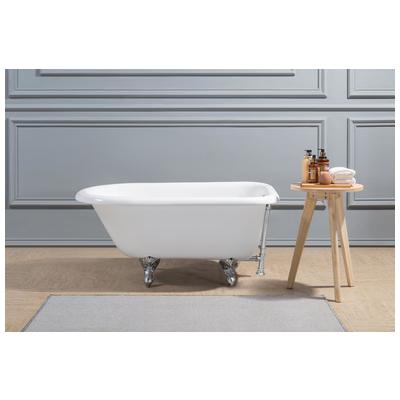
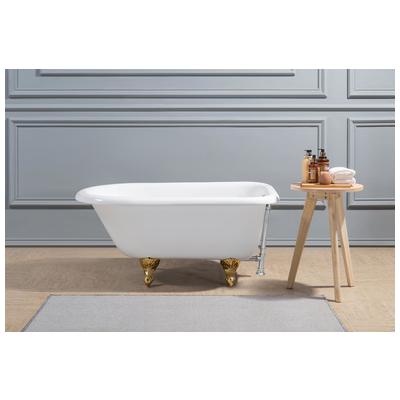
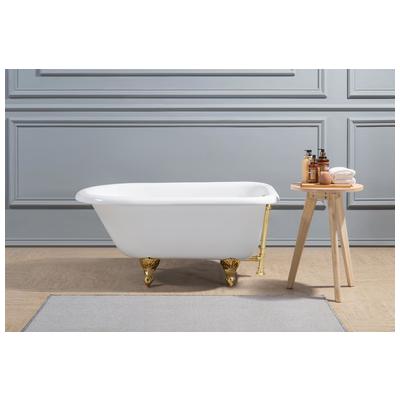
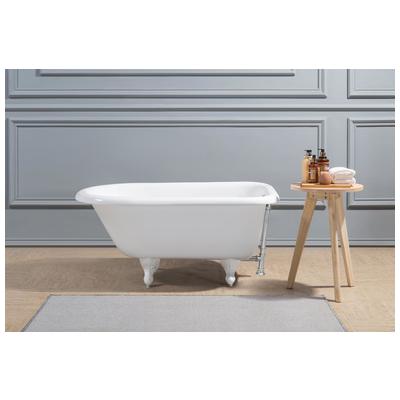
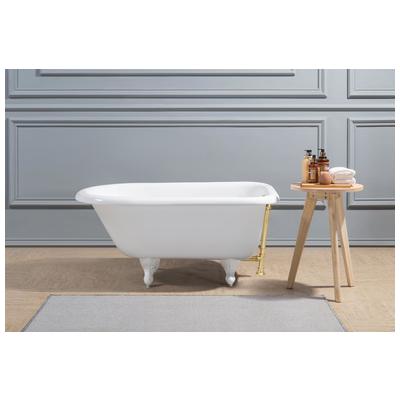
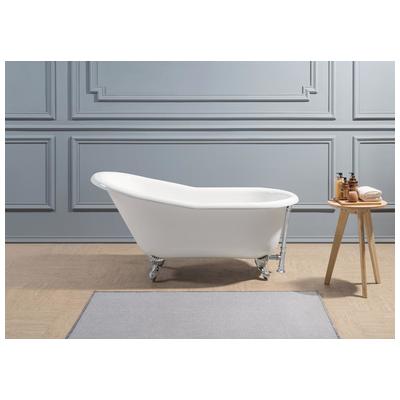
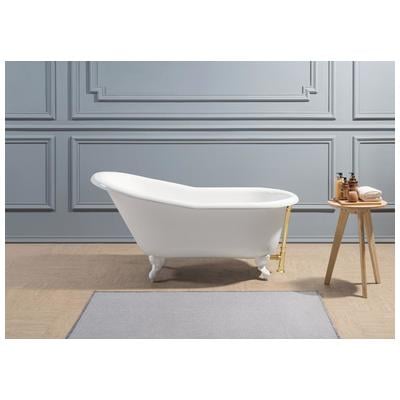
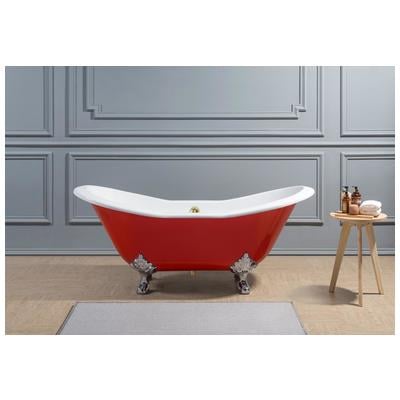
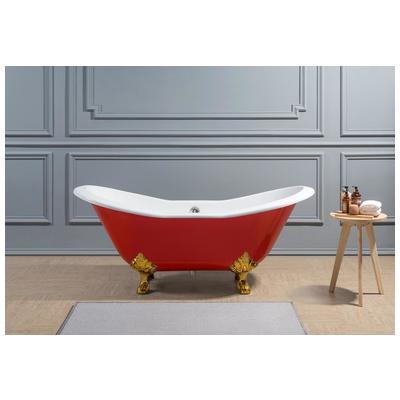
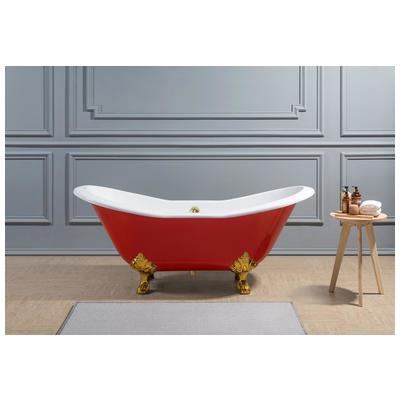
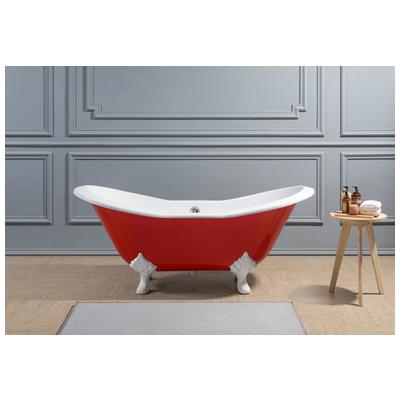
A clawfoot tub is the defining fixture of Victorian and farmhouse bathrooms — a freestanding basin lifted off the floor on four sculpted feet, leaving the underside fully exposed. Unlike modern skirted freestanding tubs, the open space beneath a clawfoot makes the bathroom feel larger and turns the tub itself into the room's centerpiece. The raised stance also means the floor underneath can be cleaned without moving the tub, which is why clawfoots have stayed in use for over 150 years.
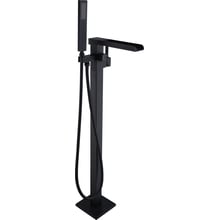
Most clawfoot tubs in our catalog are cast iron with porcelain enamel or lighter acrylic reproductions, and they pair almost exclusively with floor-mount or wall-mount tub fillers since the rim is too narrow for a deck-mount faucet. Browse the full bathtub collection, narrow to cast iron clawfoot models, or look at deep clawfoot soakers for a true period bathing experience.
 FILTER BY

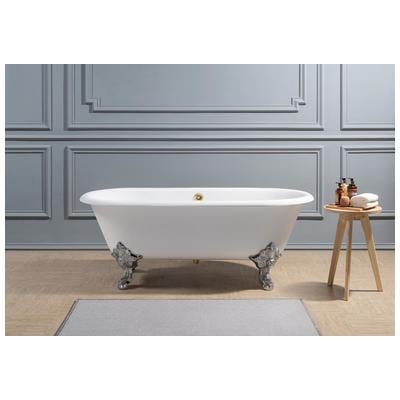
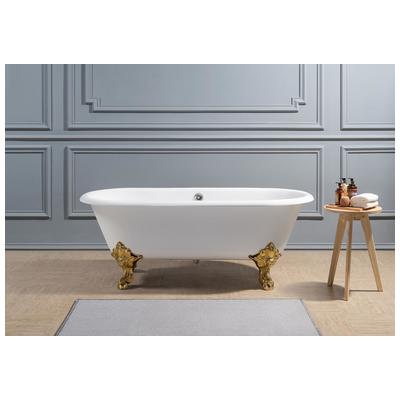

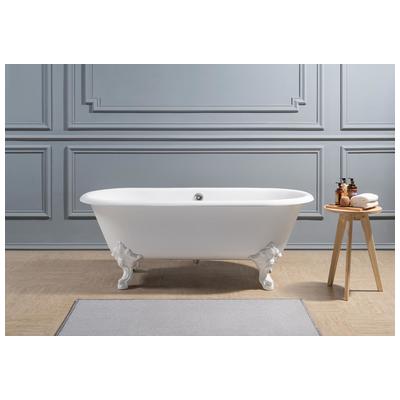

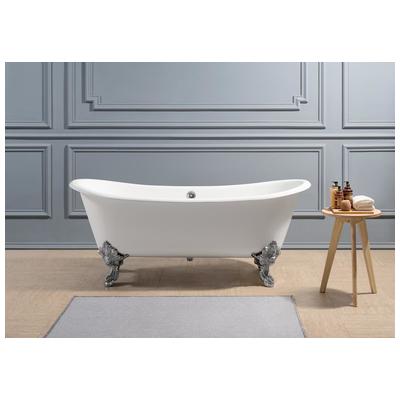






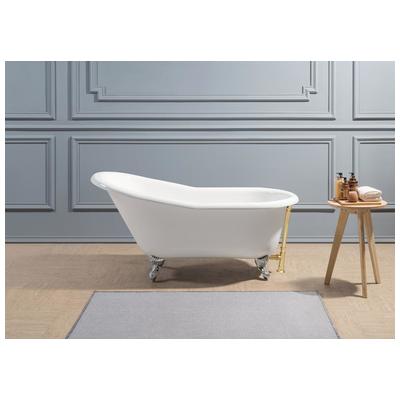
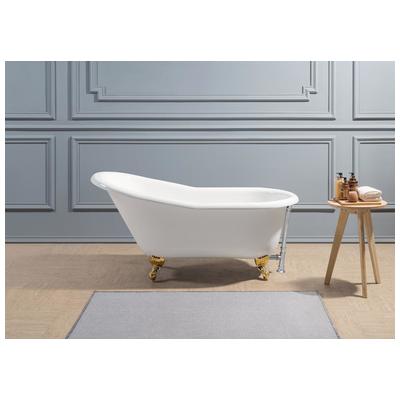
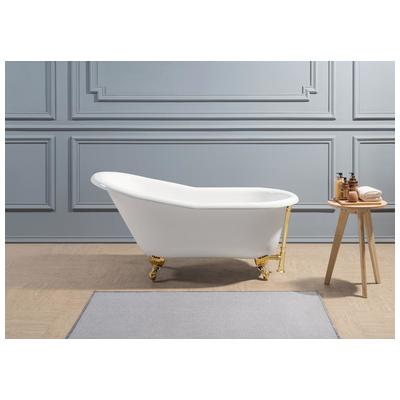
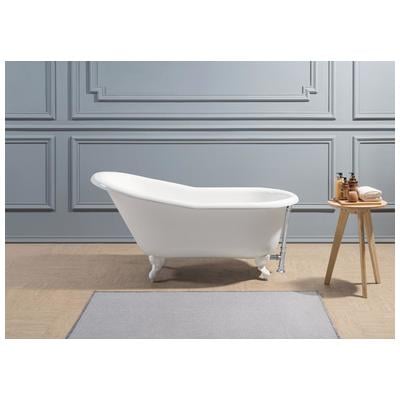

Frequently Asked Questions
What kind of faucet do I need for a clawfoot tub?
Clawfoot tubs are not designed for deck-mount faucets — the rim is too narrow. Use a floor-mount tub filler that rises from the floor behind the tub, or a wall-mount set with risers if the tub sits against a wall. Many clawfoots come pre-drilled with 3-3/8 inch holes for rim-mount British-telephone faucets that include a hand shower.
Do I need extra floor support for a clawfoot tub?
For acrylic clawfoots (80–120 lbs empty), standard framing is fine. For cast iron clawfoots, a 60-inch model weighs 300+ pounds empty and over 600 pounds filled with water and a bather — and that load concentrates on four small feet. On second floors, sistering a joist beneath the tub or adding blocking is a common precaution to prevent floor flex.
How is a clawfoot tub drain installed?
The drain and overflow are exposed beneath the tub rather than hidden behind a wall or apron. The P-trap connects to a floor drain rough-in directly under the tub's drain end. Because the supply lines and trap are visible, most homeowners choose a finished drain kit in chrome, brushed nickel, or oil-rubbed bronze that matches the faucet.
Can a clawfoot tub work in a small bathroom?
Yes — clawfoots actually visually open up small bathrooms because the raised feet expose the floor beneath, unlike a skirted tub that creates a solid block. Compact 54-inch and 60-inch clawfoots fit standard 5x8 bathrooms with room for a floor-mount filler. Just confirm the tub will pass through a 32-inch door — some cast iron models do not.
What style of bathroom suits a clawfoot tub?
Clawfoots are at home in Victorian, traditional, farmhouse, and cottage bathrooms. Pair white exteriors with subway tile, beadboard wainscoting, and brass or oil-rubbed bronze fixtures for a period look. Painted exteriors (black, navy, sage) work in modern farmhouse settings. Avoid pairing with sleek wall-hung vanities or large-format porcelain slabs — the visual languages clash.