










































Blue Kitchen Sinks for Statement Kitchens
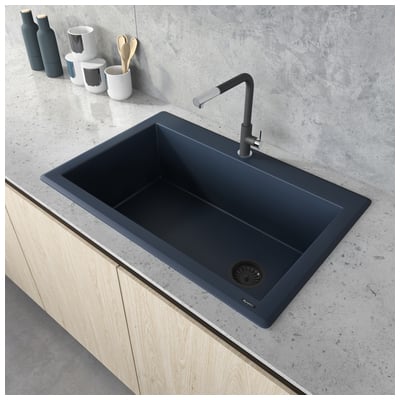
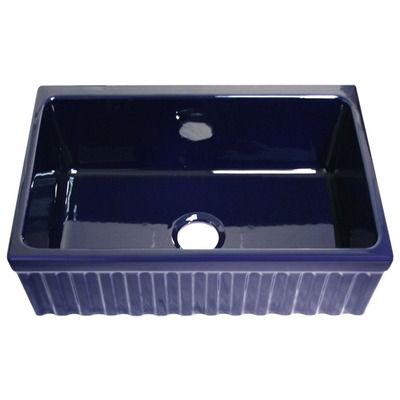
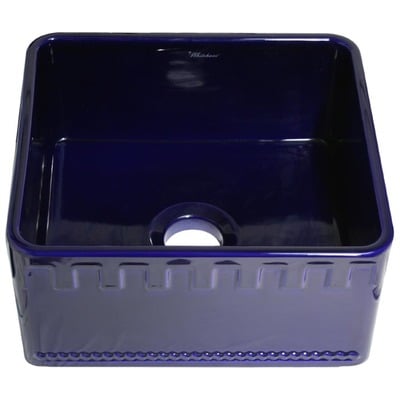
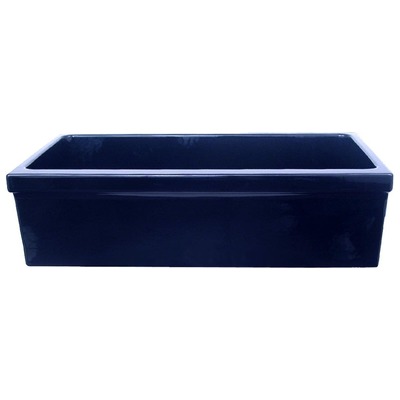
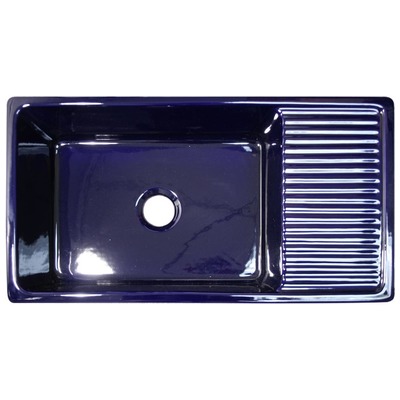
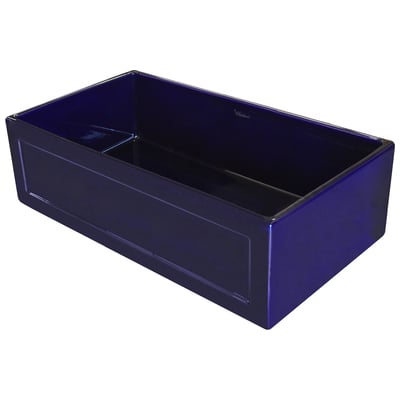
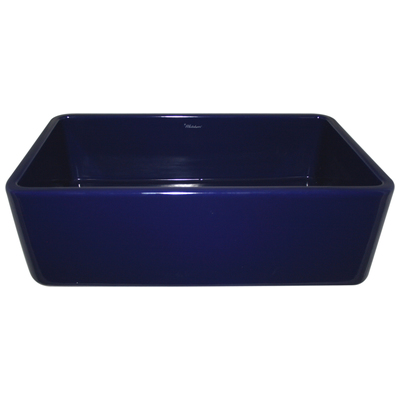
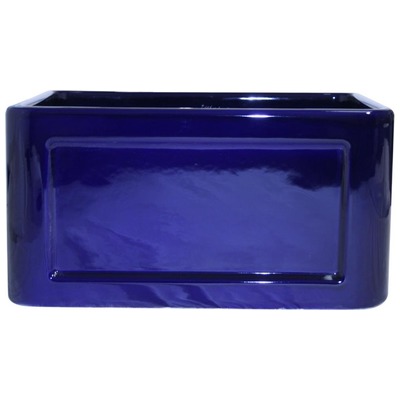
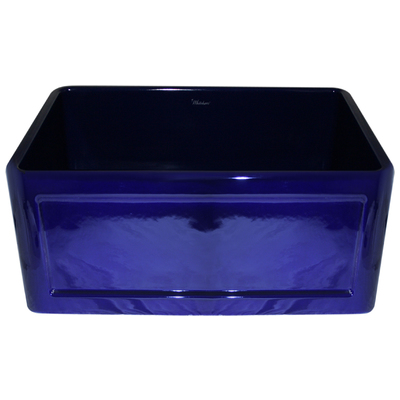
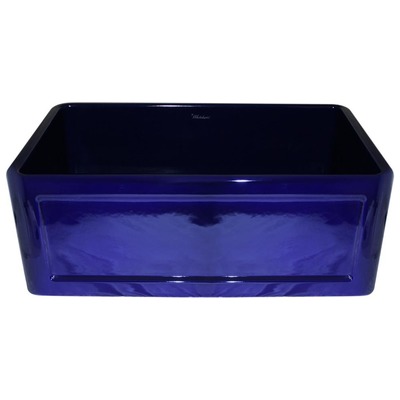
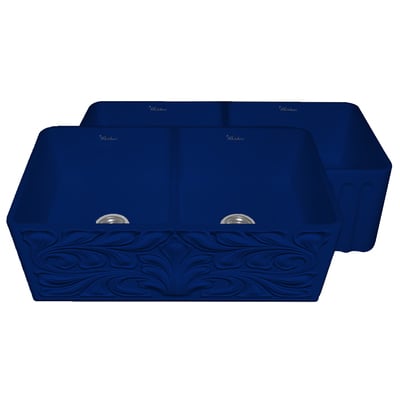
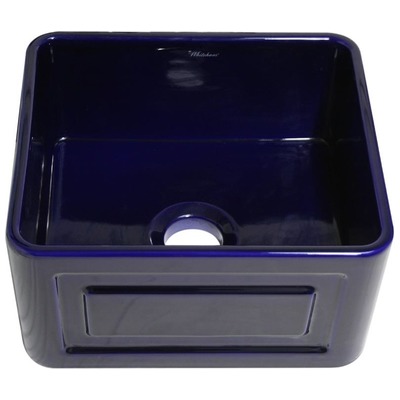
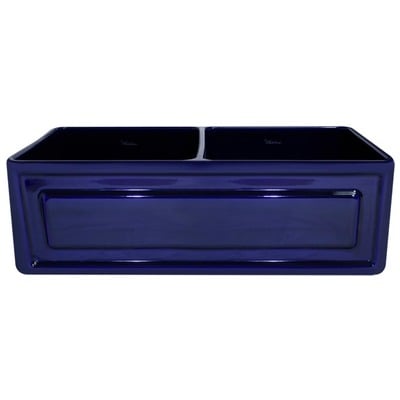
A blue kitchen sink turns a utilitarian fixture into the focal point of the room, a move most homeowners reserve for white or stainless basins. Blue reads coastal in soft sky and seafoam tones, traditional in cobalt and Delft-inspired hues, and modern in deep navy or matte slate. Because blue is a saturated color, the finish you choose matters as much as the shade — glossy fireclay reflects light and shows water spots quickly, while matte composite hides everyday splashes.
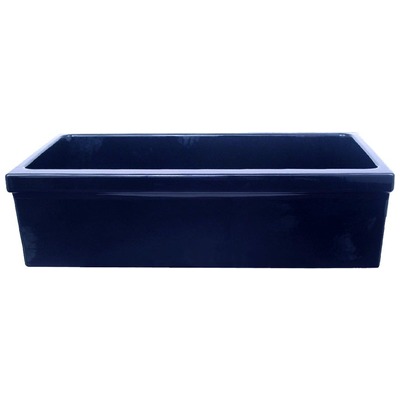
Most blue sinks on the market are fireclay or enameled cast iron, since these materials hold pigment under a fired glaze that resists fading from sun and harsh detergents. You'll find fewer blue options in stainless or copper for obvious reasons. Browse the full kitchen sinks collection for other finishes, or compare neighboring tones in black and gray.
 FILTER BY



















Frequently Asked Questions
Do blue kitchen sinks fade or discolor over time?
Properly glazed fireclay and enameled cast iron blue sinks won't fade because the pigment is sealed under a vitreous glaze fired at high temperature. What can change the look is surface staining from coffee, tea, and red wine sitting in the bowl, plus hard-water mineral deposits that leave a chalky film. Rinse and wipe daily, and use a non-abrasive cleaner to keep the blue saturated.
What cabinet and countertop colors go best with a blue sink?
Blue sinks are most flattering against white, cream, and natural wood cabinets, which let the color stand out without competing. For countertops, white quartz and marble keep the look crisp; warm butcher block softens deep navies. Avoid pairing blue with strongly cool gray cabinets unless the undertones match — mismatched cool tones can read muddy under kitchen lighting.
Are blue sinks harder to keep clean than white or stainless?
Blue actually hides coffee grounds, tomato splatter, and food debris better than white, which shows every speck. However, dried water spots and soap film are more visible on dark blue glossy finishes than on stainless steel. A quick squeegee or microfiber wipe after dishes prevents the spotting most owners complain about. Skip abrasive scrubbers, which dull the glaze.
What materials are blue kitchen sinks usually made from?
The vast majority are fireclay or enameled cast iron, because both materials accept a fired-on color glaze that resists chips and chemicals. A small number of composite granite sinks are offered in blue-tinted blends. You won't find blue in stainless steel or copper — those metals are sold in their natural finish only.
Will a blue sink hurt my home's resale value?
A classic navy or soft coastal blue in a quality fireclay sink reads as a designer choice and rarely turns off buyers, especially in coastal, traditional, or farmhouse-style homes. Bright turquoise or novelty shades are more polarizing. If resale is a concern, choose a deep, muted blue and pair it with neutral cabinets so the room reads cohesive rather than themed.