









































Sectional Sofas for Every Room Layout
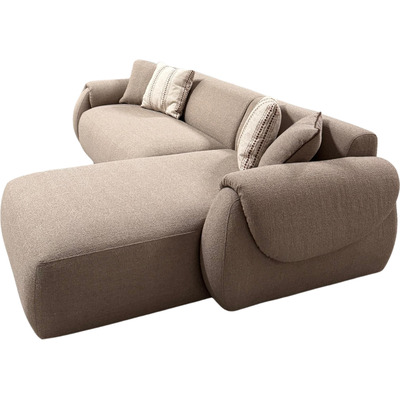
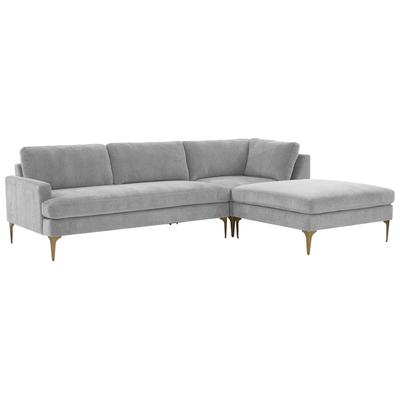
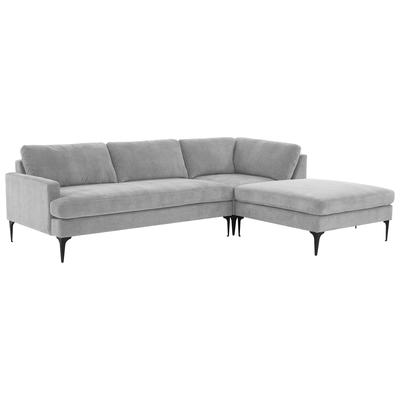
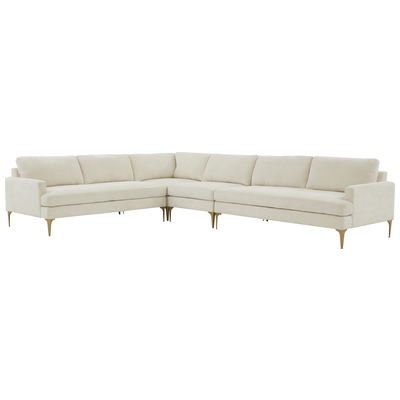
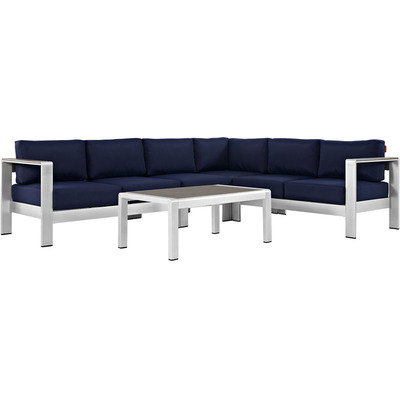
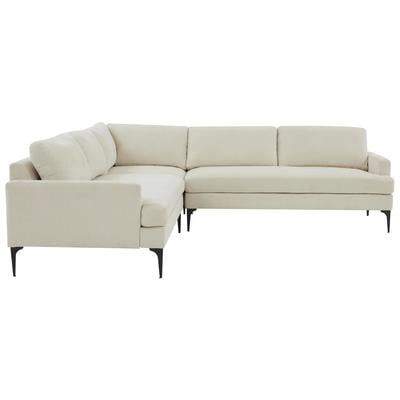
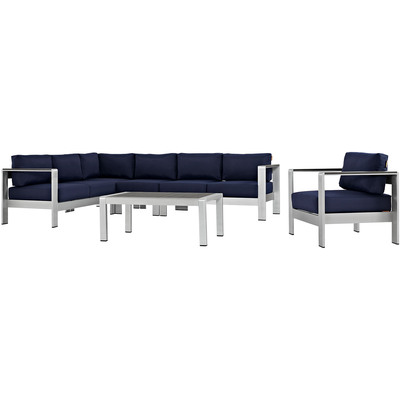
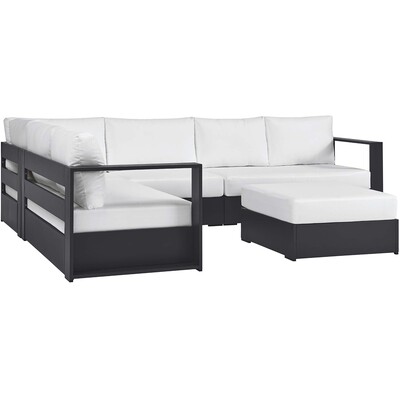
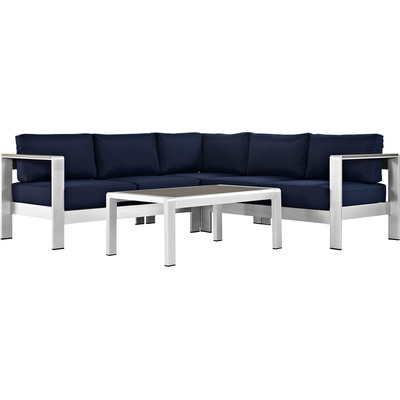
A sectional sofa is built from connected pieces that wrap around a corner or anchor an entire wall, making it the most flexible seating option for open-concept living rooms and family rooms. Unlike a standard sofa or loveseat, a sectional needs clearance along two walls or enough open floor for a freestanding U-shape, so measuring both dimensions before you shop is essential.
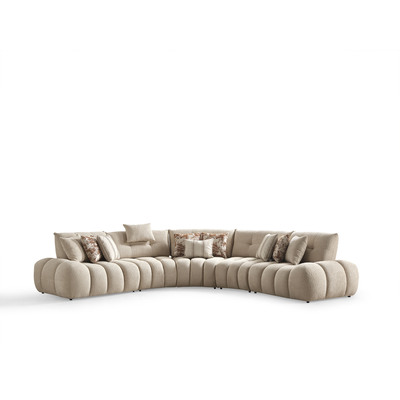
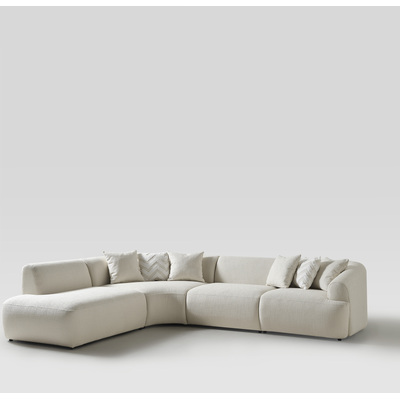
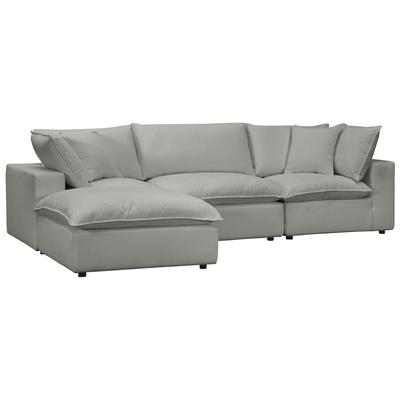
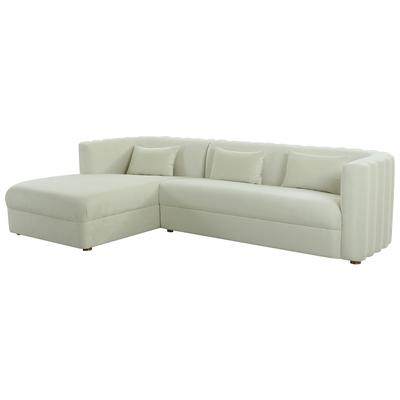
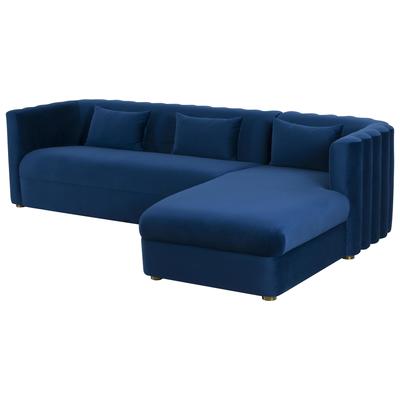
Orientation matters more here than with any other seating type. Left-facing and right-facing refer to the chaise position when you stand in front of the piece — getting this wrong means the chaise lands on the side of the room you wanted to leave open. Many of our sectionals are reversible or modular, letting you swap the chaise side after delivery.
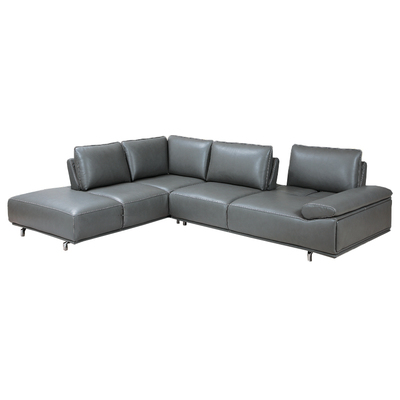
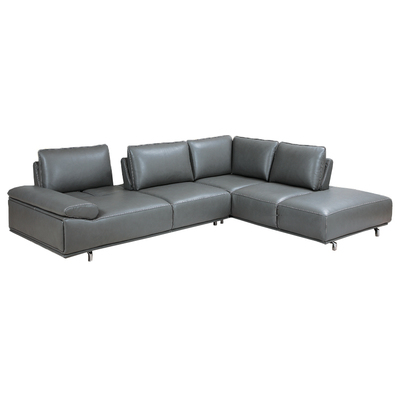
Explore configurations with built-in recliners, sleeper mechanisms, or a leather sectional finish that wipes clean in busy households.
 FILTER BY


















Frequently Asked Questions
How do I tell if a sectional is left-facing or right-facing?
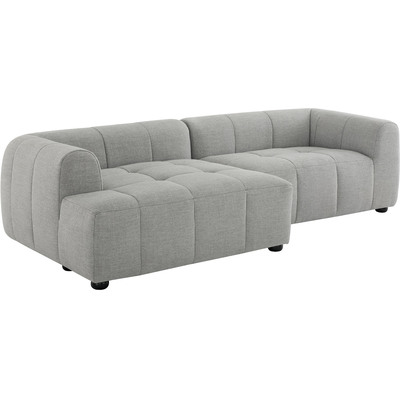
Stand in front of the sectional facing the seats, as if you were about to sit down. If the chaise or longer side extends to your left, it's a left-facing sectional (sometimes labeled LAF). If it extends to your right, it's right-facing (RAF). Always confirm with the manufacturer's diagram before ordering — terminology occasionally varies.
Will a sectional fit through my doorway?
Most sectionals are designed to be delivered in two or more separate pieces that connect with brackets or hooks once inside, which solves doorway problems that would stop a one-piece sofa. Still, measure your narrowest doorway, hallway turn, and any stairwell. Confirm whether the legs unscrew — that alone can save several inches of height clearance.
What size room do I need for a sectional?
An L-shaped sectional works in rooms at least 10 by 10 feet, with the long side against a wall and the chaise extending into the room. U-shaped or pit sectionals need closer to 12 by 14 feet because all three sides extend into open floor. Leave at least 30 inches of walking space around the perimeter so the room doesn't feel boxed in.
Can I rearrange a sectional later if I move?
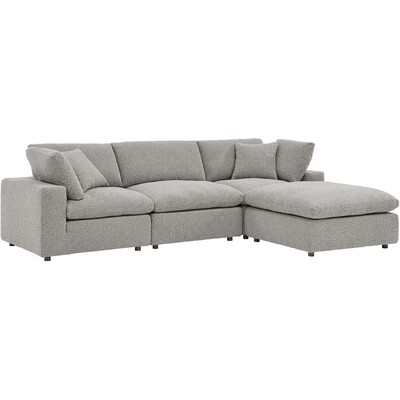
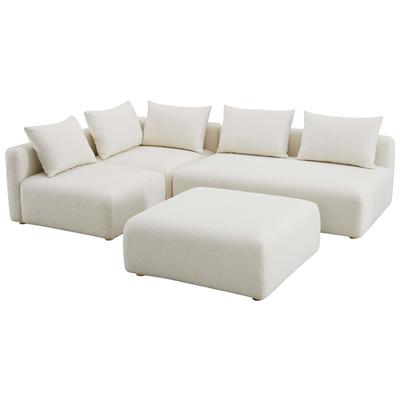
Modular and reversible sectionals can be reconfigured — many models let you swap the chaise from left to right or split the unit into a sofa plus a separate chaise. Fixed-frame sectionals are sewn as one orientation and cannot be flipped. If future flexibility matters, look for the words modular, reversible, or sectional pieces in the product details.
Is a sectional harder to clean than a regular sofa?
The connection points between sections trap crumbs and small items, so plan to separate the pieces every few months to vacuum underneath and along the seams. Removable cushion covers make spot cleaning easier. Sectionals with attached, non-removable backs are harder to deep clean, so check whether cushions zip off before buying if you have kids or pets.