













































Modern Sofas with Clean, Minimalist Lines
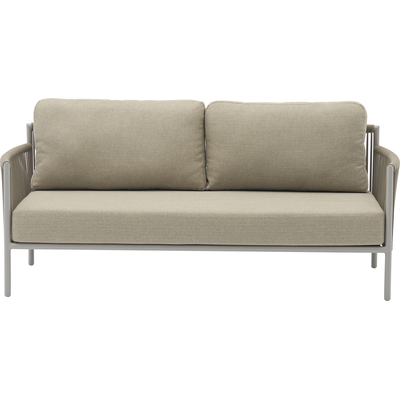
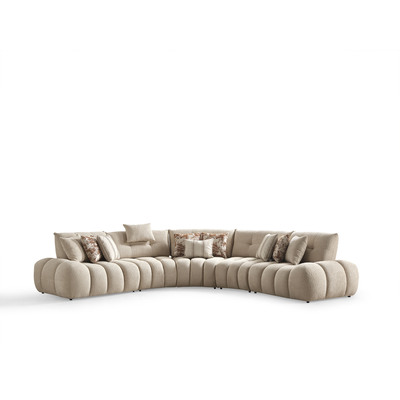
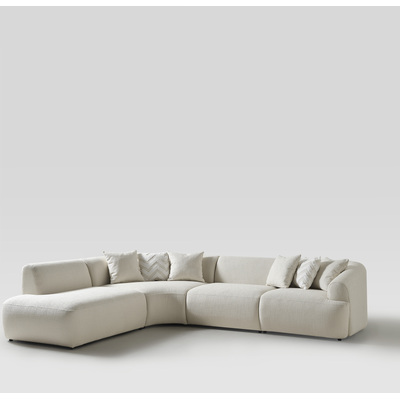
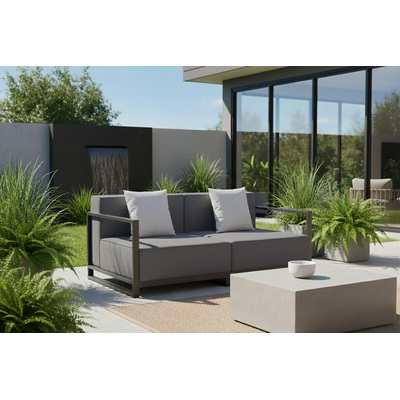
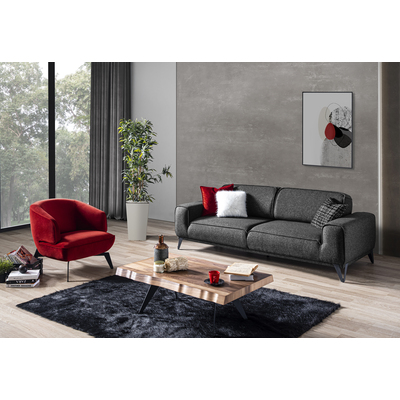
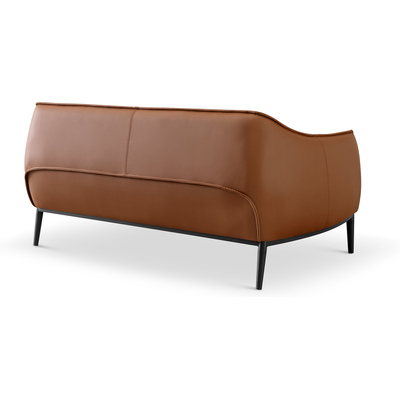
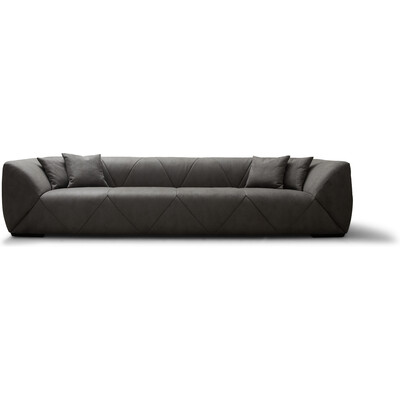
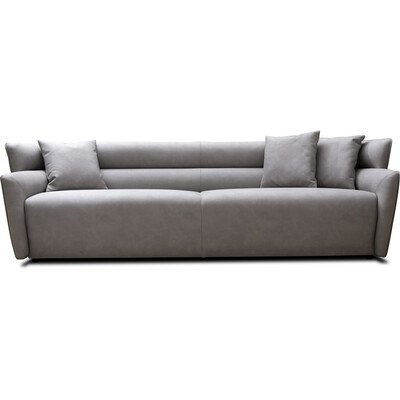
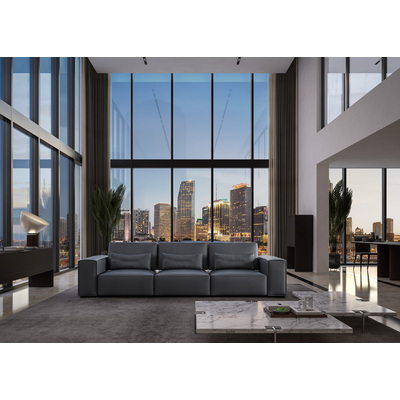
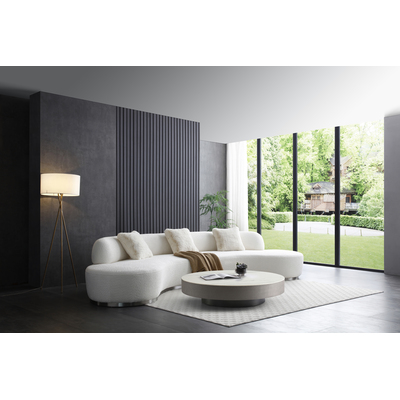
A modern sofa is defined by clean horizontal lines, a low profile, and pared-back ornamentation — no rolled arms, no skirts, no carved feet. The silhouette typically sits closer to the floor, with track arms or thin block arms and exposed metal or slim wood legs that visually lift the frame.
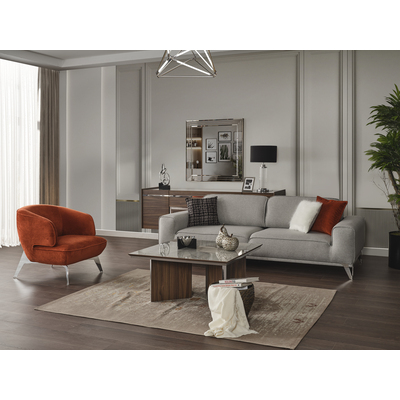
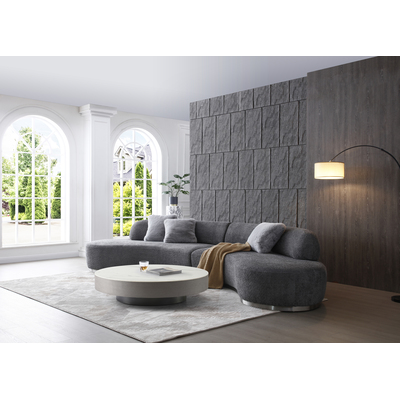
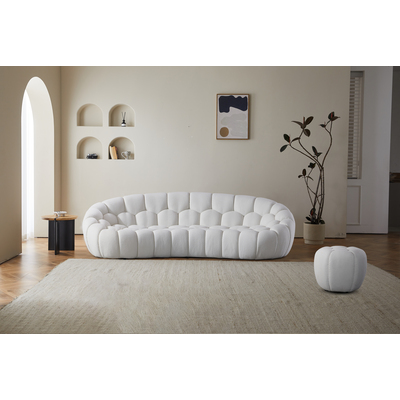
This look suits open-plan rooms where the sofa needs to feel light rather than bulky, and it pairs naturally with materials like brushed steel, smoked glass, and matte-finished wood. If you want something with a similar feel but slightly softer curves and warmer fabrics, compare with contemporary sofas, or step back to the full sofa and loveseat collection to weigh every style side by side.
Most modern frames here come in neutral upholsteries that read as architectural — charcoal, ivory, taupe — so the shape stays the focal point.
 FILTER BY
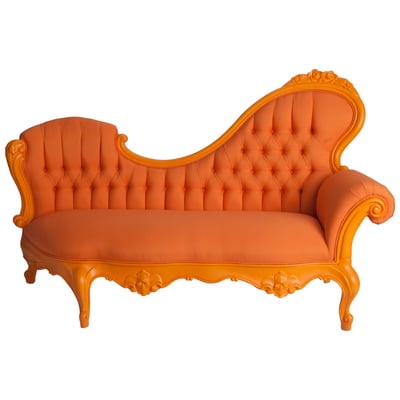

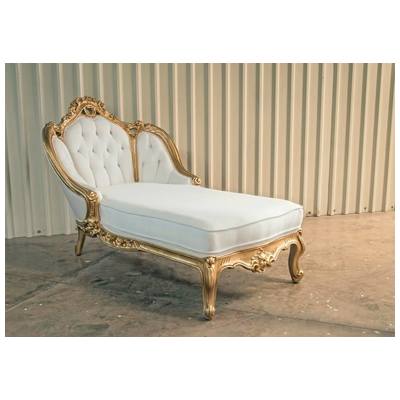
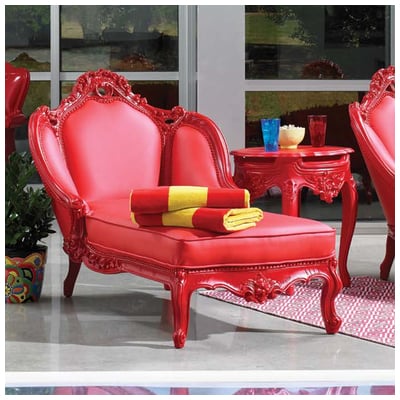
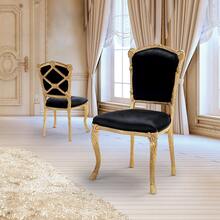
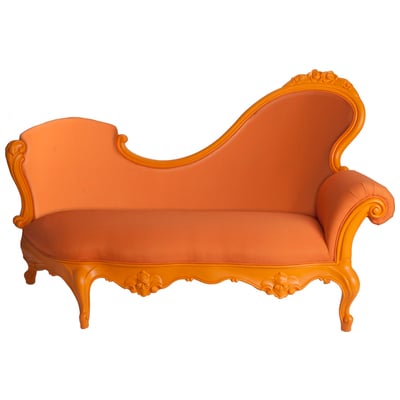
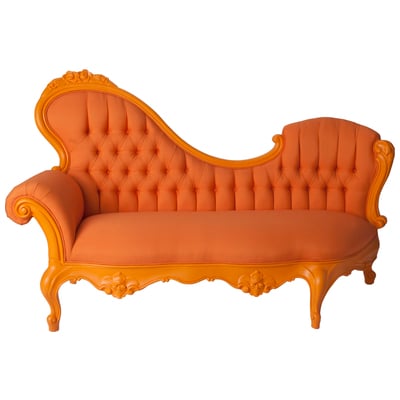
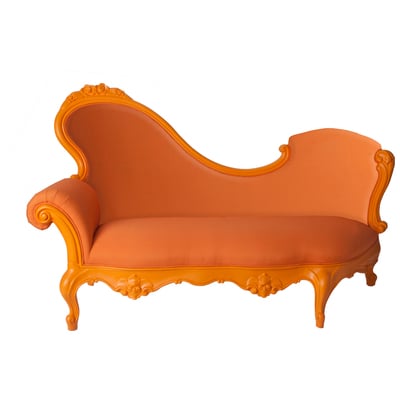
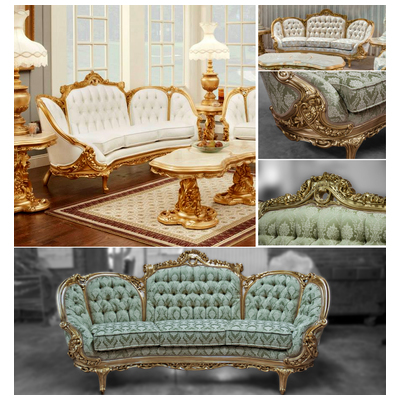
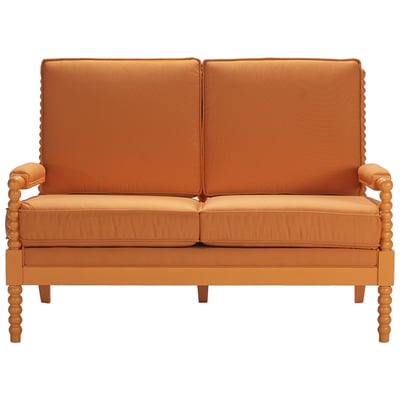
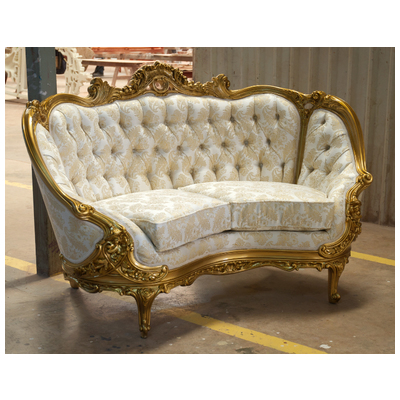
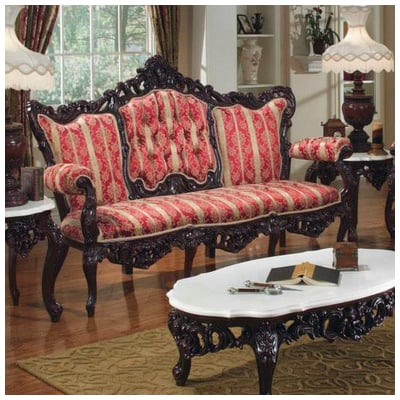
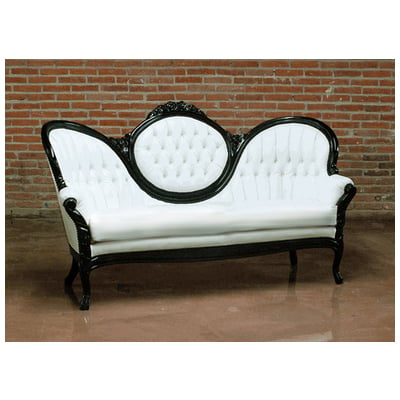
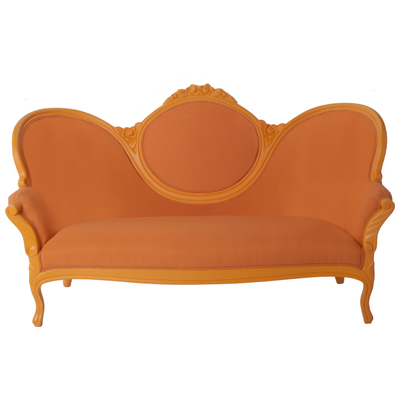
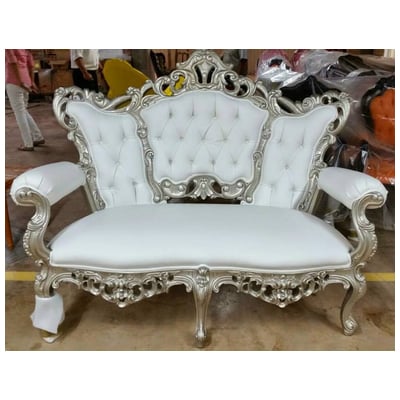
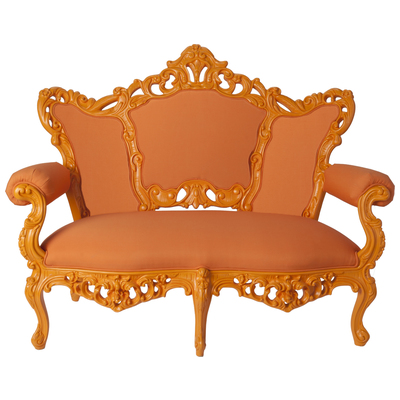
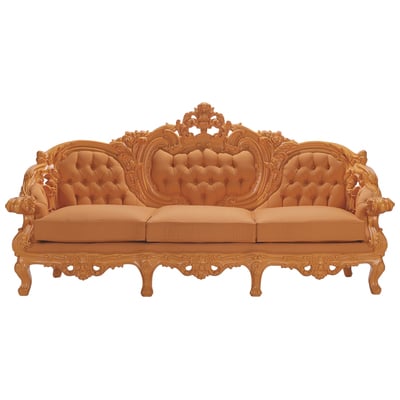
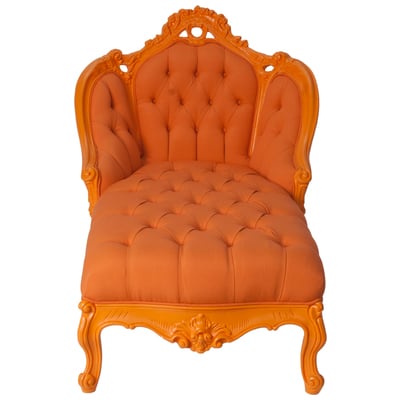
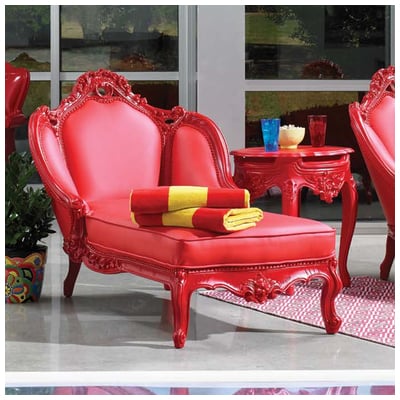
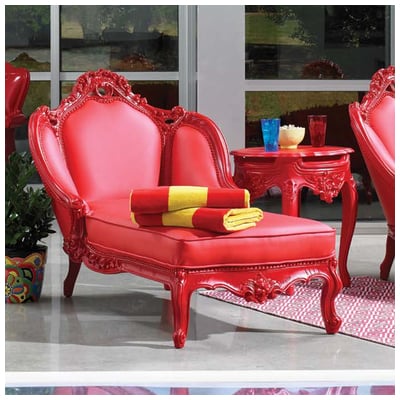
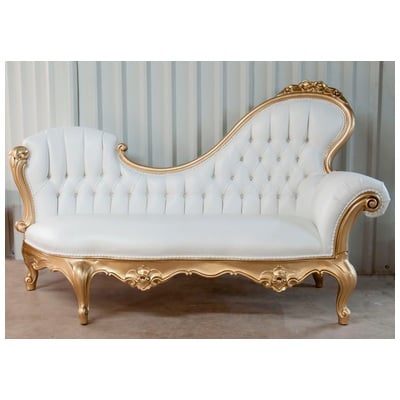
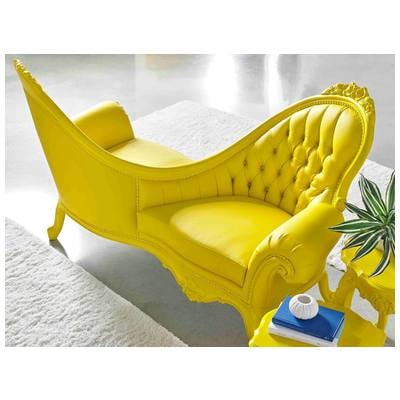
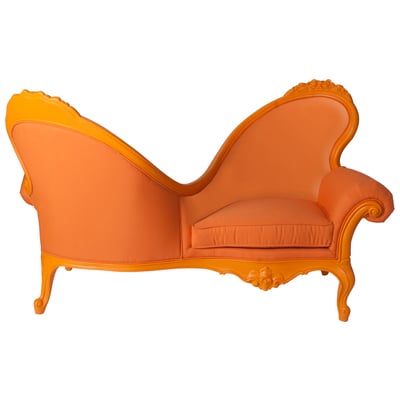
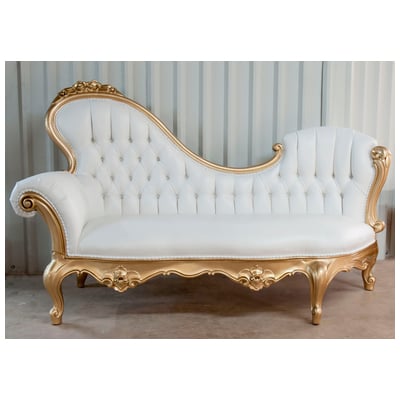
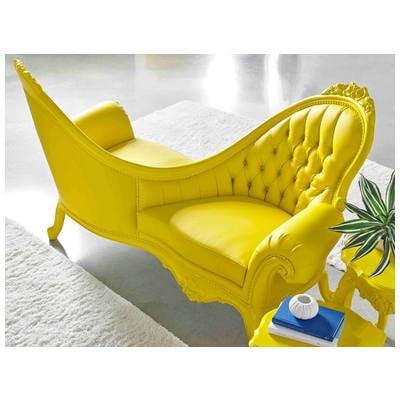
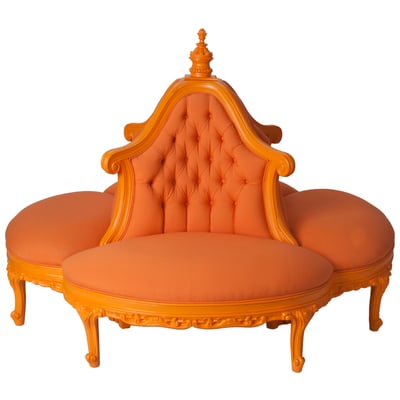
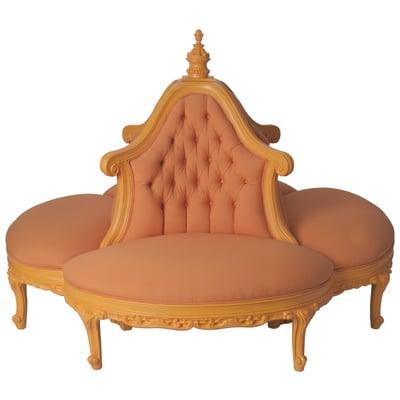
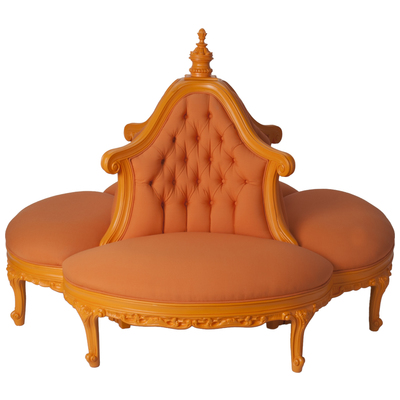
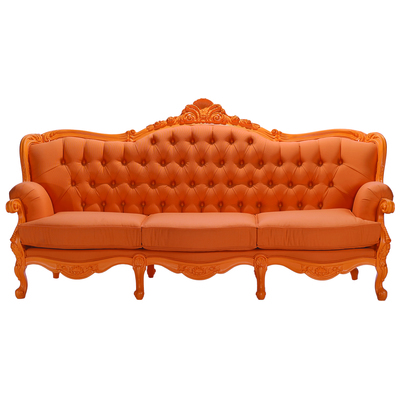
PolRey Chaise Lounge (NOT Tufted Seat and Back) 643DO French and Victorian Inspired Modern Furniture
Frequently Asked Questions
What makes a sofa 'modern' versus contemporary?
Modern refers to a specific design movement (roughly 1920s-1960s) with strict geometry, low profiles, and minimal ornamentation. Contemporary means whatever is current right now — usually softer, with curved arms, deeper seats, and warmer textiles. Modern sofas tend to feel more architectural; contemporary ones feel more comfortable-casual.
Are modern sofas comfortable for lounging or just for looks?
Many modern sofas have shallower seat depths (around 21 inches) and firmer cushions, which support upright sitting better than lying down. If you want a modern look but plan to nap on it, search for designs with deep-seat cushions (23+ inches) or a chaise extension. Tight-back versions stay neat-looking but offer less back give than loose-cushion versions.
What leg height should I look for on a modern sofa?
True modern silhouettes use 4 to 7 inch legs, often in brushed metal, chrome, black steel, or slim tapered walnut. This visible floor space is essential — it's what gives the sofa its floating, low-profile look. Avoid skirted bases or chunky bun feet; those read traditional, not modern, even if the rest of the sofa is sleek.
Will a modern sofa look out of place in an older home?
Not necessarily. A clean-lined modern sofa can balance ornate architecture — crown molding, wainscoting, or original hardwood — by giving the eye somewhere to rest. The contrast often reads intentional rather than mismatched. Keep accent pieces in the same restrained vocabulary (one statement light, simple drapery) so the room reads layered instead of confused.
What upholstery works best on a modern sofa frame?
Tightly woven fabrics that hold their shape suit modern frames best: flat-weave wool, tight-grain leather, and smooth cotton-poly blends. Avoid slubby linens or heavily textured chenilles — they fight the crisp geometry. Solid neutrals (charcoal, bone, camel) emphasize the silhouette; if you want pattern, stick to small-scale geometrics rather than florals or damasks.