Shopping cart

x
Home >> Bathroom >> Bathroom Vanities >> james martin >> wall mount vanities

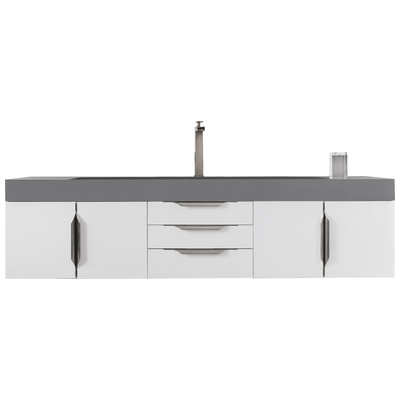
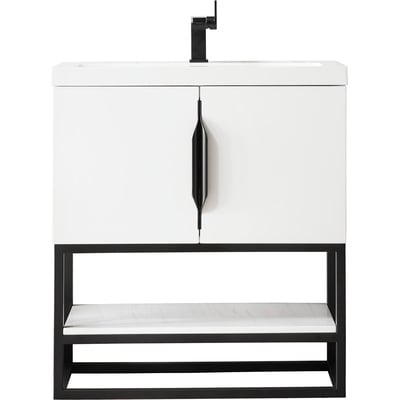
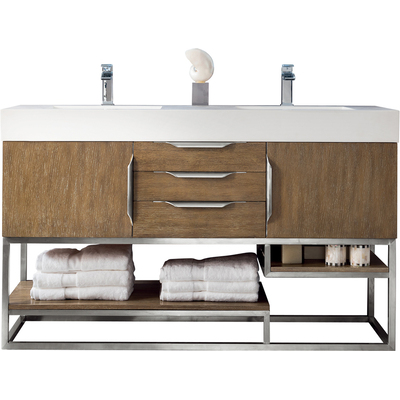
James Martin Wall-Mount Bathroom Vanities

By Brand
On Sale
Number of Sinks
Vanities by Width
Vanities By Style
Vanities by Color
Installation Type
Vanity Configuration
Popular Sizes
Loading...

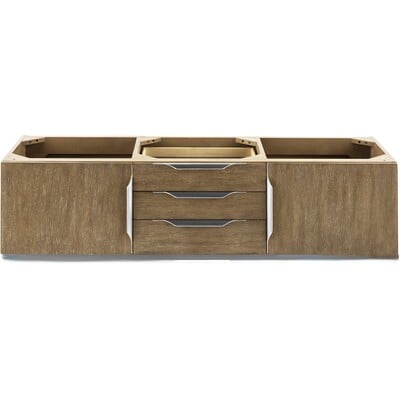
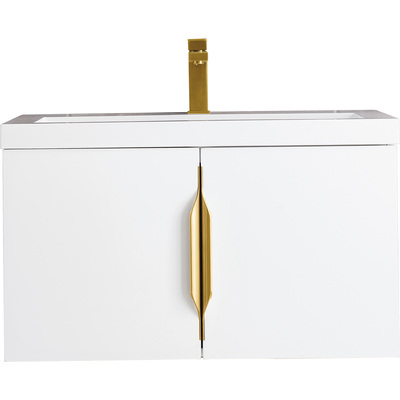
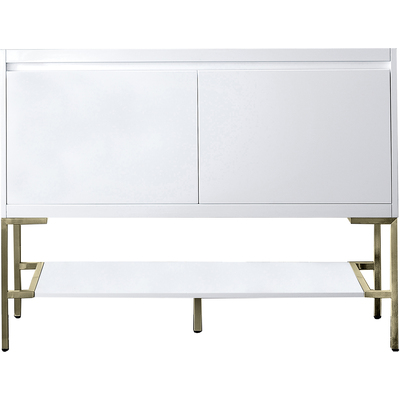
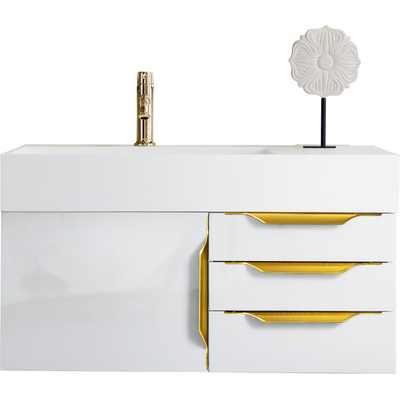
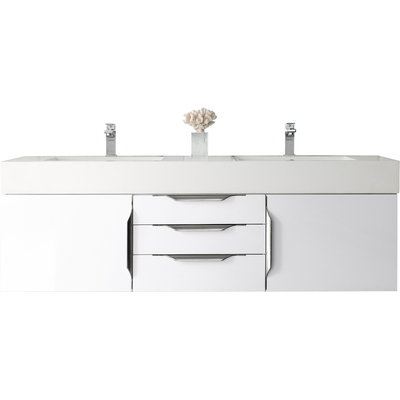
Wall-Mount (Floating) Bathroom Vanities

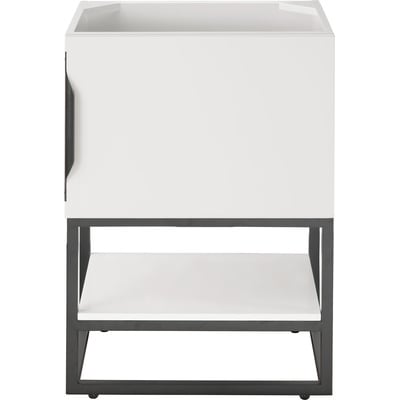
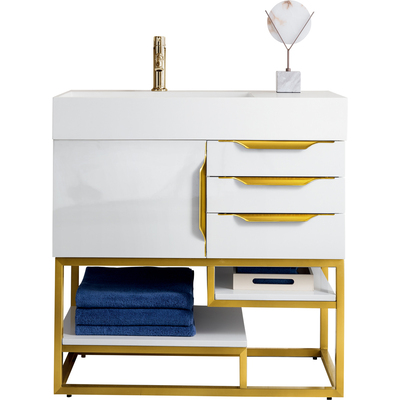
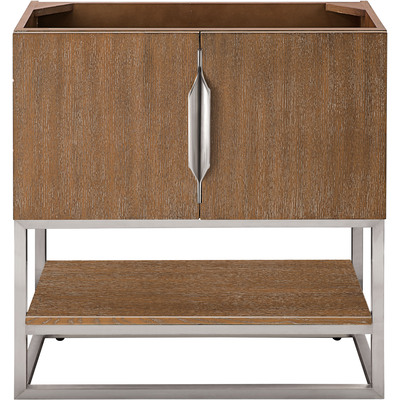
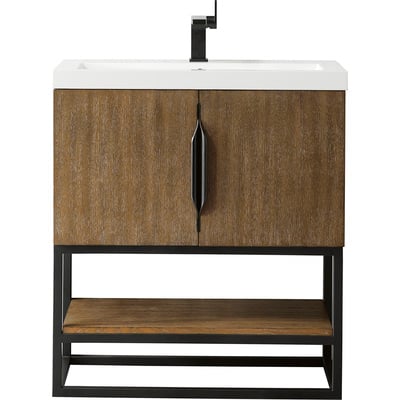
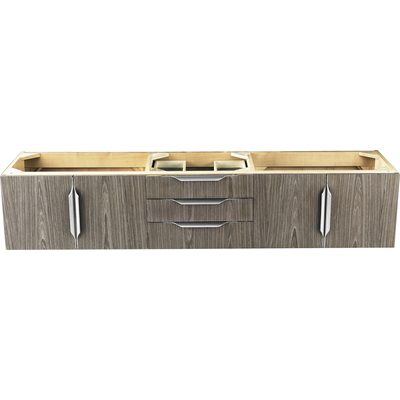
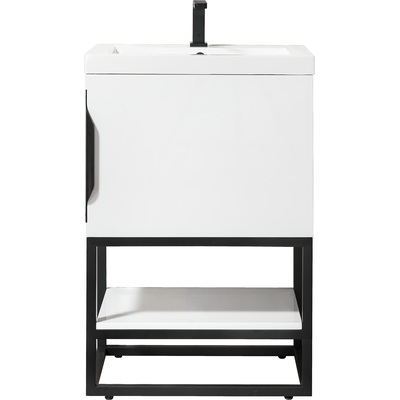
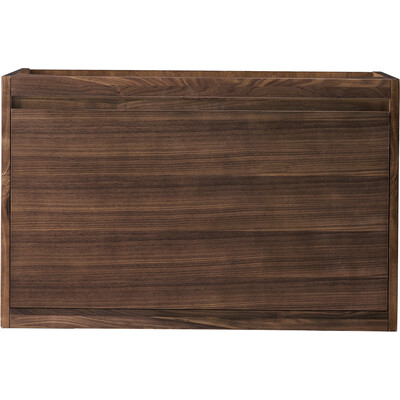
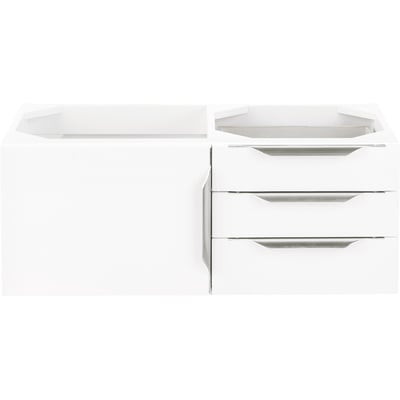
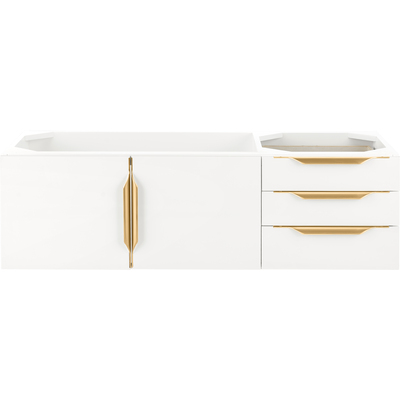
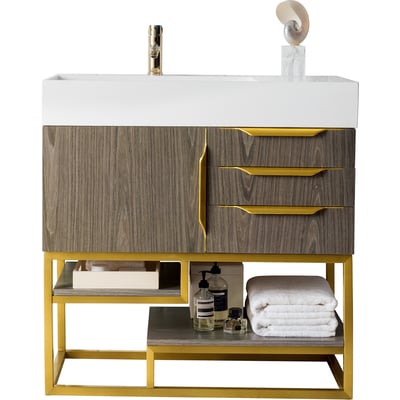
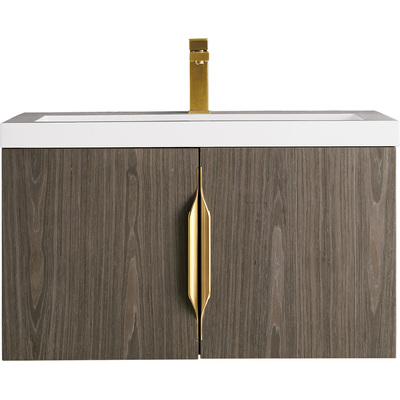
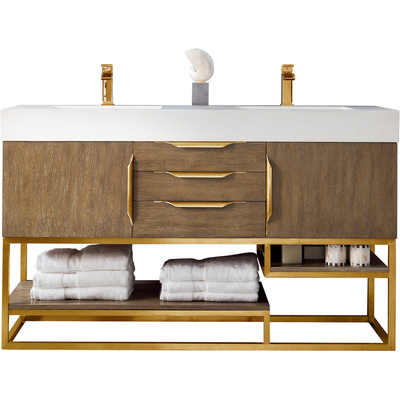
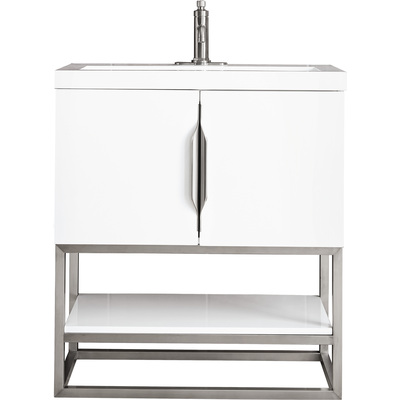
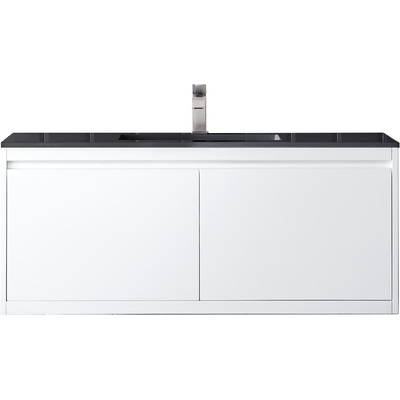
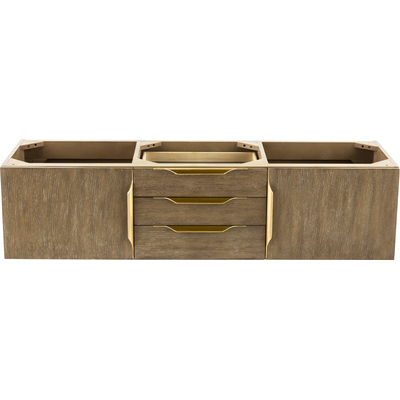
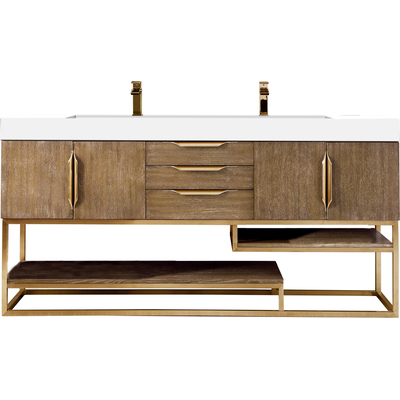
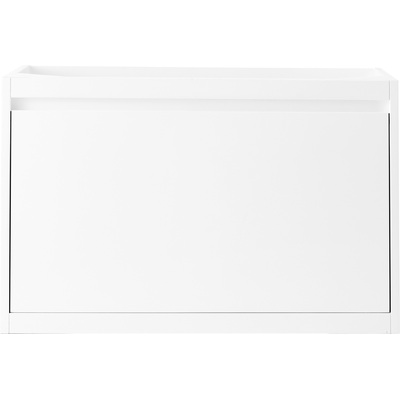
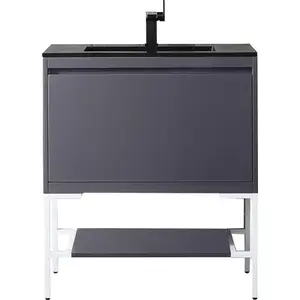
A wall-mount, or floating, bathroom vanity opens sightlines, makes floors easier to clean, and gives small rooms a lighter, more modern feel. James Martin combines this sleek look with furniture-grade construction — kiln-dried hardwood frames, dovetailed drawers, and soft-close hardware — all finished to resist daily humidity and routine cleaning. From compact single-sink options to wide double-sink layouts, you’ll find configurations that balance counter space with organized storage.

Planning the Installation

  • Floating cabinets must be anchored into wall studs or solid blocking.

  • Many installers use a ledger board along with rated brackets for leveling and load distribution.

  • Verify dimensions: true width, depth (~21 inch –23 inch), and height (~33 inch–36 inch).

  • Check rough-in locations so the P-trap and shut-off valves sit within the cabinet cavity and don’t interfere with drawers.

  • If using a vessel sink or wall-mount faucet, account for added height and confirm faucet drilling (single-hole or 8" widespread) on pre-fabricated tops.

Countertop & Finish Options

  • Quartz: low-maintenance and durable.

  • Natural stone: unique veining and organic style.

  • Engineered surfaces: often come with a coordinating backsplash.

Floating vanities pair especially well with large-format tile and underfloor heating, as the open toe space improves airflow and access.

Lighting & Mirrors

  • Size each mirror to match the basin area.

  • Or choose one wide mirror with flanking sconces to keep the layout bright and balanced.

Conclusion
With thoughtful planning and secure stud mounting, a James Martin wall-mount vanity delivers sleek designer lines, practical storage, and a clean, elevated look that enhances any modern bathroom.


??????, ? ?????? ????????? ????? ??? freestanding vanities, ????? ? ???? ???? ??????????? ???? — «Floating vs. Freestanding» ??? ??????? ?? ???? ??????????


FAQ

Can a floating vanity support a stone or quartz top?
Yes—when anchored into studs (or blocking) with rated brackets/ledger and installed per specs. Always verify load limits and wall construction.
What height should I mount a wall-hung vanity?
Common countertop heights are 33–36 inch from finished floor. Adjust for user height; add/subtract for vessel sinks and faucet reach.
How should I prep the wall for installation?
Locate studs (typically 16 inch OC) or add solid blocking before drywall. On tiled walls, drill through tile into studs; use a ledger to level and support during install.
Any plumbing considerations for floating cabinets?
Keep the P-trap and shut-offs within the cabinet envelope and clear of drawer paths. Confirm basin centers and faucet drilling on the spec sheet before rough-in.
Why choose wall-mount over freestanding?
Easier floor cleaning, a visually larger room, and adjustable mounting height. Freestanding offers maximum enclosed storage—choose based on priorities.