James Martin Bathroom Vanities with Optional Tops
 FILTER BY




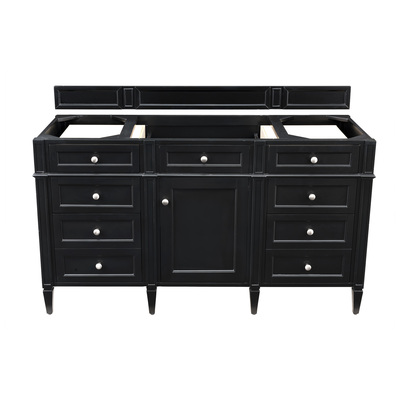

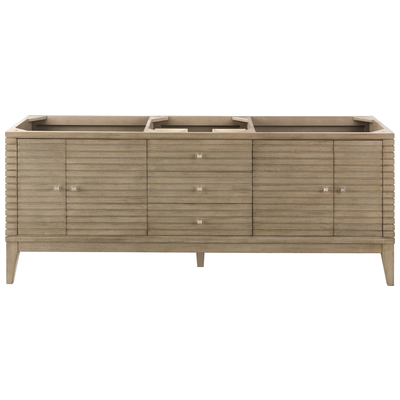


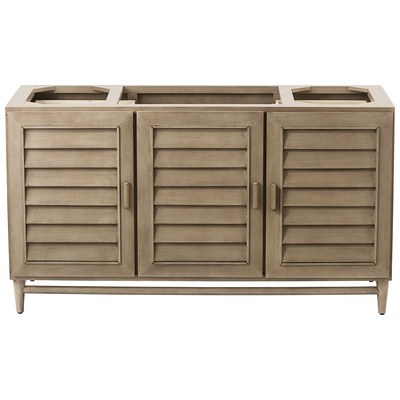


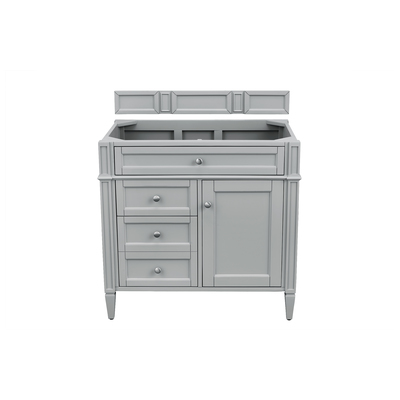
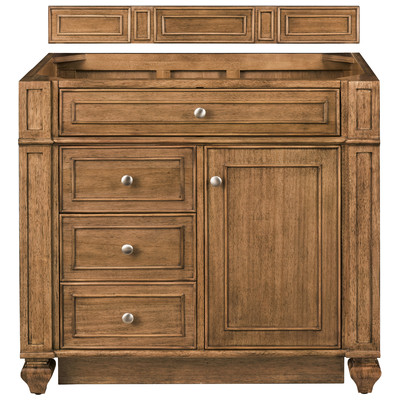
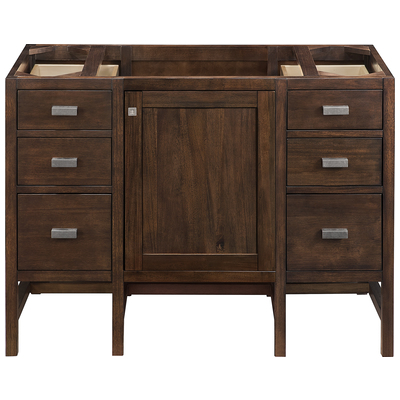
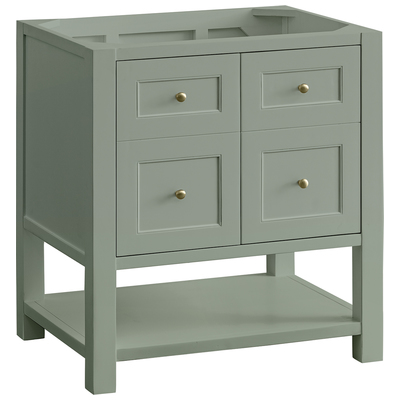
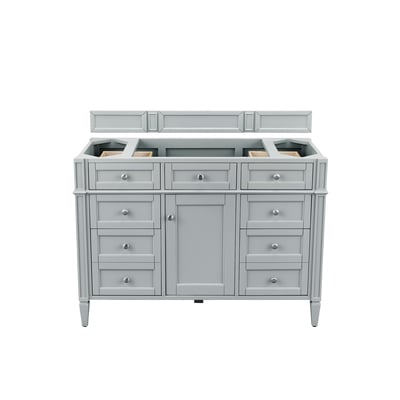

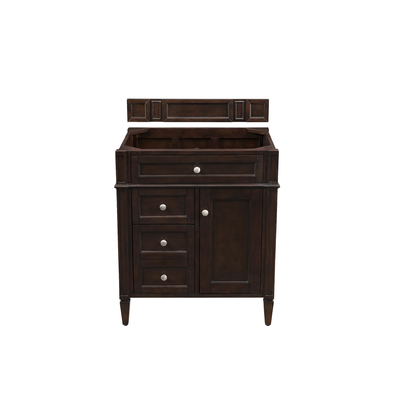


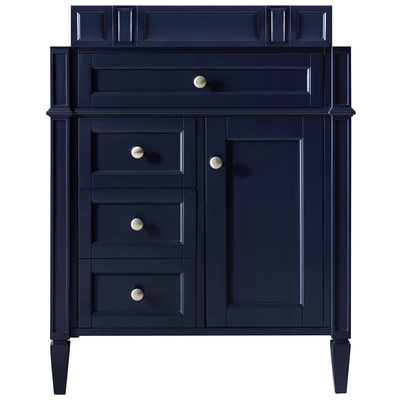
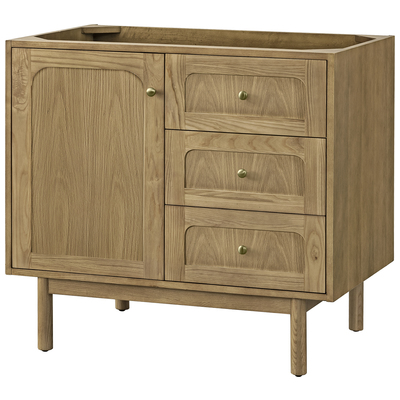


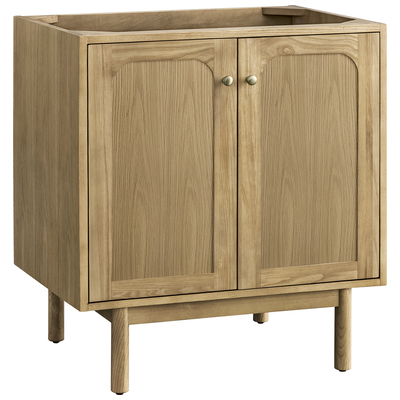
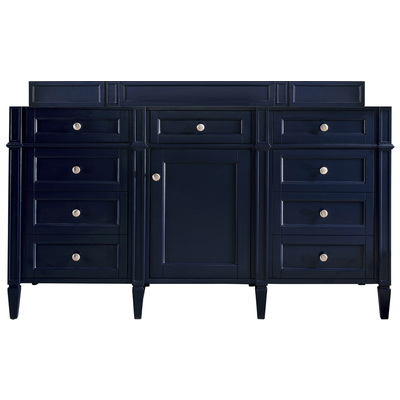
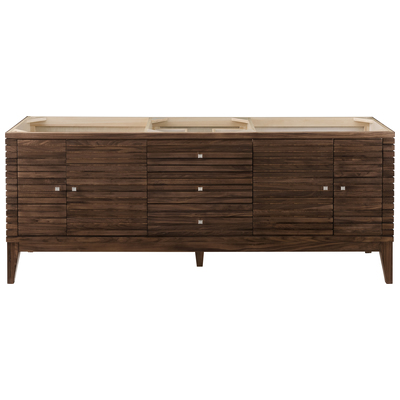
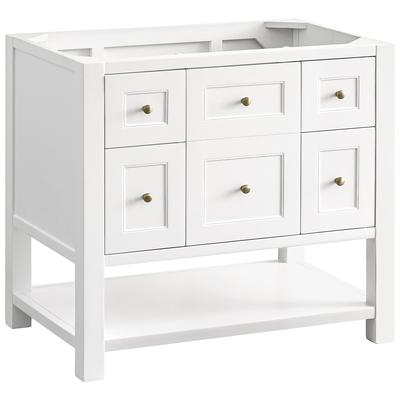


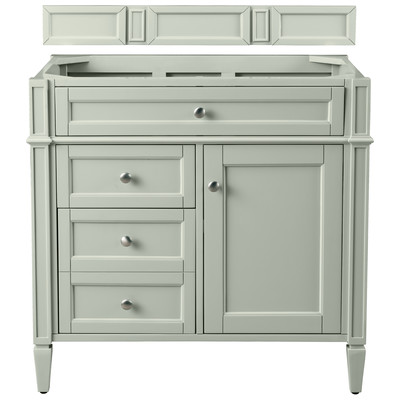


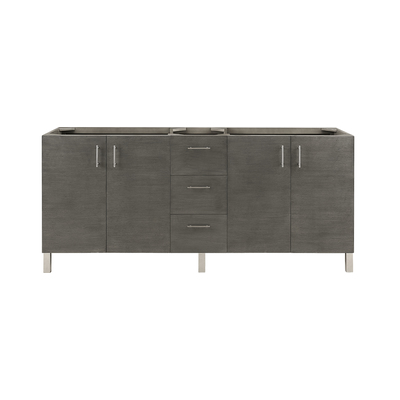


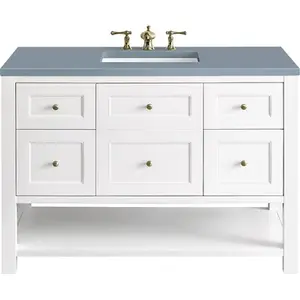
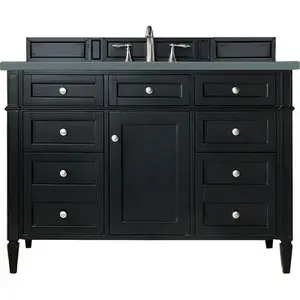
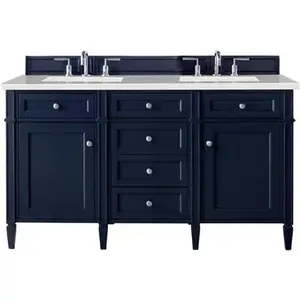
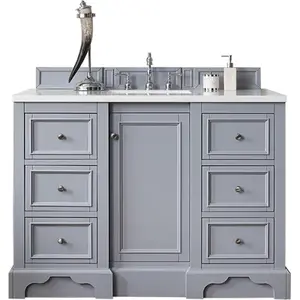
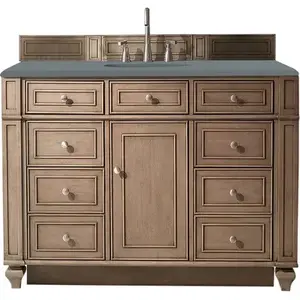
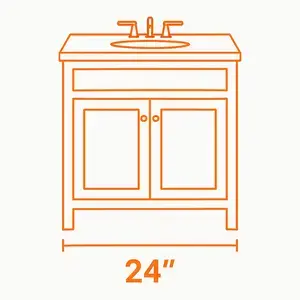
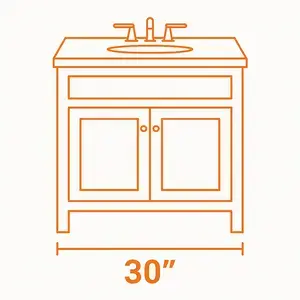
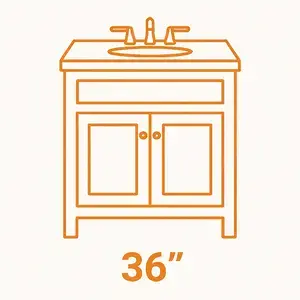
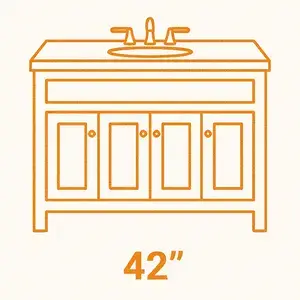
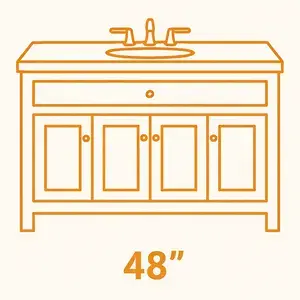
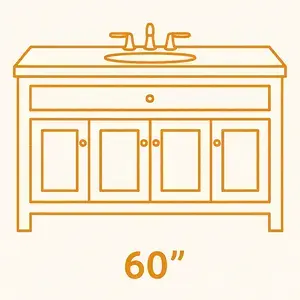
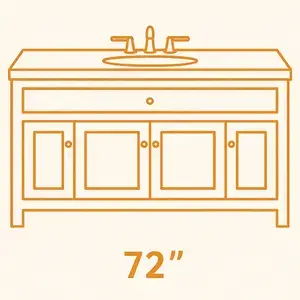
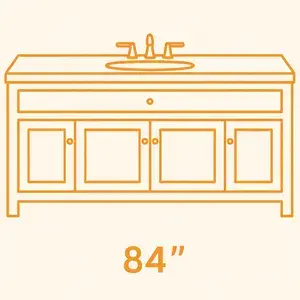
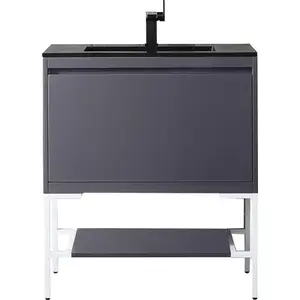
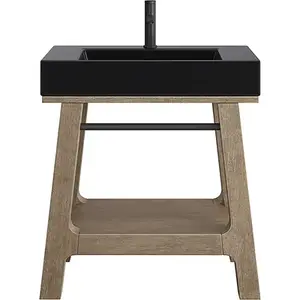
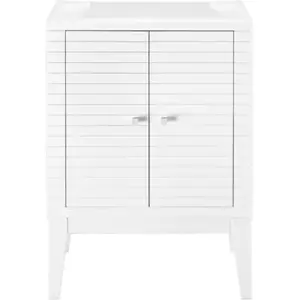
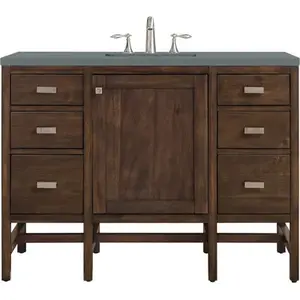
Vanities with Optional Tops
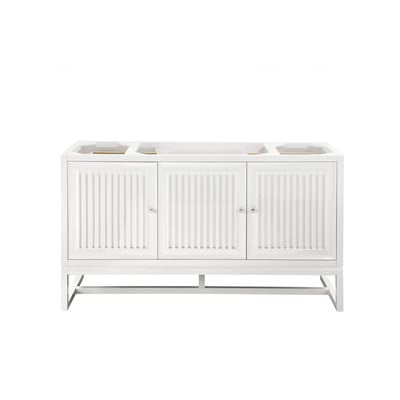
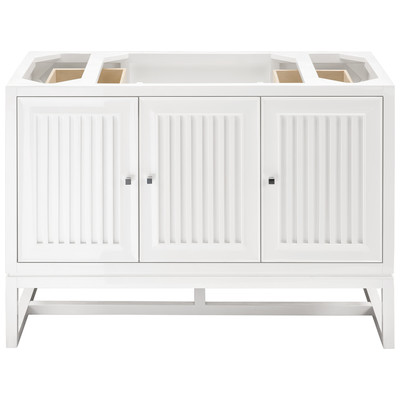
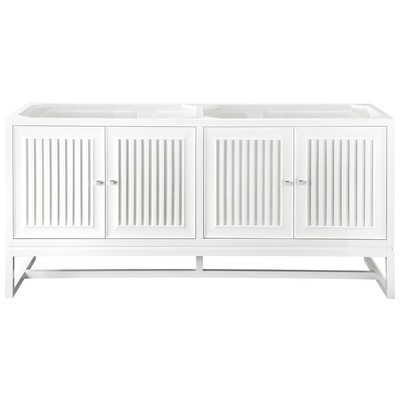
Choosing a James Martin vanity with an optional top gives you full control over the final look and performance of your bathroom. You purchase the furniture-grade cabinet now and pair it with a locally fabricated countertop — quartz for easy care, natural stone for distinctive veining, or another engineered surface that coordinates with your tile and fixtures.
This approach reduces shipping risk on heavy slabs and lets you fine-tune edges, overhang, and backsplash details directly with your fabricator.
Planning the Build
Follow the right order to avoid surprises:
-
Confirm cabinet width, depth, and height.
-
Check door and drawer clearances, shut-off valve positions, and the P-trap path.
-
Choose sink type:
-
Undermount for a clean, wipe-in edge.
-
Vessel for a taller, sculptural look.
-
-
Decide faucet style:
-
Single-hole for a streamlined setup.
-
8" widespread for classic hardware.
-
Wall-mount to keep the deck clear.
-
-
Your fabricator will template on site and cut:
-
Sink openings
-
Faucet holes
-
Back and side splashes (if desired)
-
Countertop Details to Discuss
-
Edge profile: eased, mitered, ogee, or other custom shapes.
-
Top thickness: often 2–3 cm.
-
Overhang: commonly ½ inch–1inch.
-
Seam placement: confirm for long spans or double sinks to keep seams discreet and structurally sound.
Cabinet Construction
James Martin cabinets are built like furniture:
-
Kiln-dried hardwood frames
-
Dovetailed drawers
-
Smooth soft-close hardware
-
Moisture-resistant finishes
Choose freestanding to maximize enclosed space, or floating to visually open the floor. Both options can support stone tops when installed per instructions (with ledger or stud anchoring for wall-hung models).
Conclusion
With careful measuring and a skilled fabricator, a James Martin vanity with an optional top delivers a tailored finish, premium durability, and long-term performance designed to match your exact bathroom style.