















































Blue Bathroom Sinks for a Statement Basin
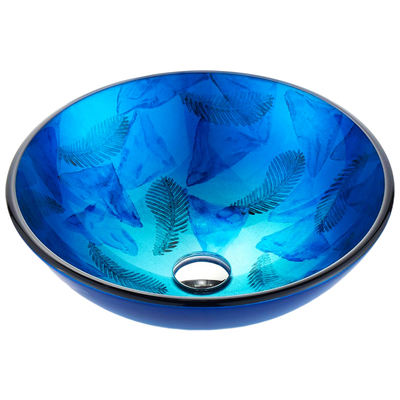
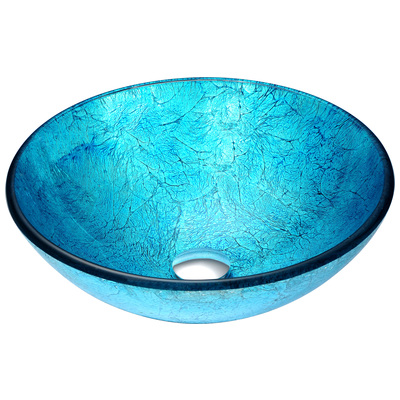
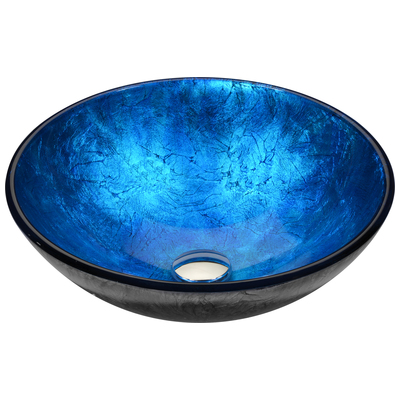
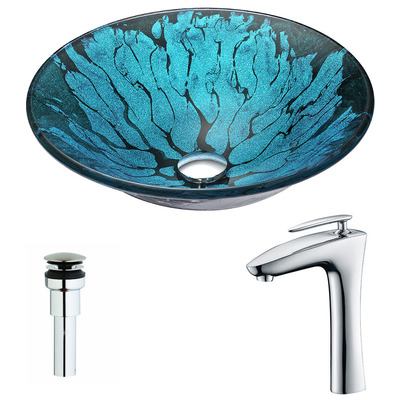
A blue bathroom sink turns a utilitarian fixture into the focal point of the room, offering a color choice that white and beige basins simply cannot match. Blue spans an unusually wide range — pale sky and seafoam for coastal baths, cobalt and sapphire for bold contemporary spaces, and deep navy for moody, spa-like powder rooms. Because blue is rarely a stock color, it signals a deliberate design choice the moment guests walk in.
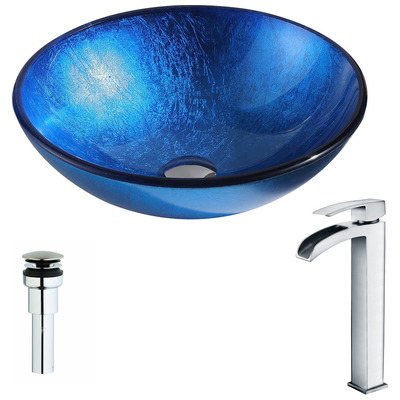
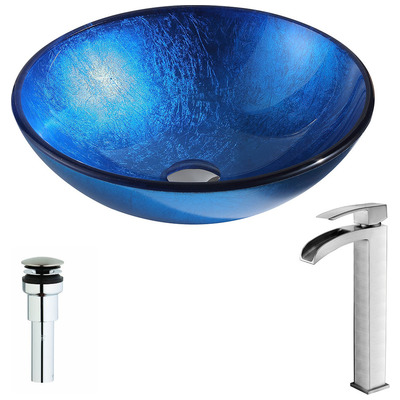
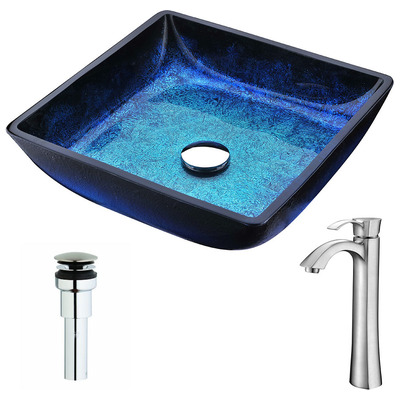
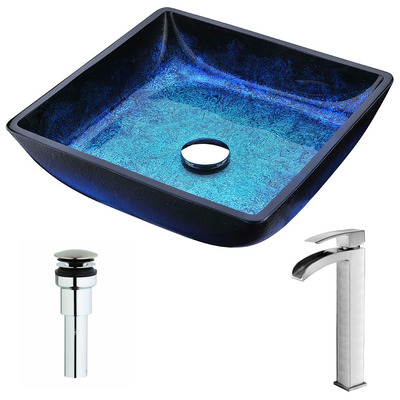
Blue basins are most often produced in tempered glass vessel form, where the color reads as translucent and shifts with the light, and in hand-glazed ceramic, where the finish is opaque and richer. You'll also find painted copper and reactive-glaze stoneware in this palette.
Browse the full bathroom sink collection or explore blue vessel sinks and the contrasting black sink lineup for darker schemes.
 FILTER BY















Frequently Asked Questions
Will a blue glass or ceramic sink fade over time?
Tempered glass blue sinks are colored throughout the glass body, not surface-coated, so they will not fade from sunlight or cleaning. Glazed ceramic and porcelain blues are sealed under a fired glass layer and are equally permanent. Avoid painted or epoxy-finished blue basins for full bathrooms — those coatings can chip or yellow near hot water and harsh cleaners.
What wall colors and vanity finishes work best with a blue sink?
Light, warm neutrals create the strongest backdrop. Crisp white, soft greige, and creamy off-white walls let blue read as a jewel tone rather than competing color. For vanities, natural oak, walnut, and white shaker cabinets all pair well. Avoid pale blue walls behind a blue sink — the basin will visually disappear instead of standing out.
Do blue sinks show water spots and toothpaste residue?
Darker blues like navy and cobalt show hard-water spots and white toothpaste streaks more than white basins do, similar to black sinks. Lighter blues hide residue better. A daily wipe with a soft microfiber and weekly vinegar rinse (safe on glass and glazed ceramic, but not on natural stone) keeps the surface looking clean.
Can I get a matching blue sink for a double vanity?
Yes, but order both sinks at the same time and from the same production batch. Blue glazes and reactive glass colors vary noticeably between firings — two sinks ordered months apart may differ in saturation. For a flawless match, mass-produced blue porcelain drop-in or undermount sinks are more consistent than hand-finished art basins.
Are blue sinks considered a trendy choice that will date quickly?
Mid-tone and deep blues — navy, sapphire, slate blue — have been used in bathrooms for over a century and read as classic rather than trendy. Bright aqua, turquoise, and electric cobalt are more era-specific and tied to coastal or maximalist styles. If long-term resale matters, choose a muted or deep blue in a timeless shape like oval or rectangular.