




































Waterfall Bathroom Faucets
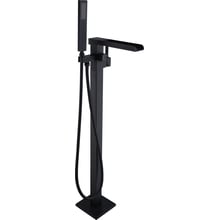
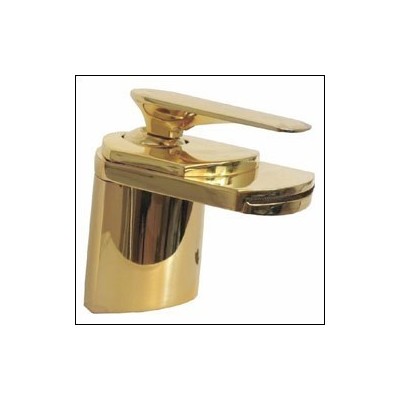
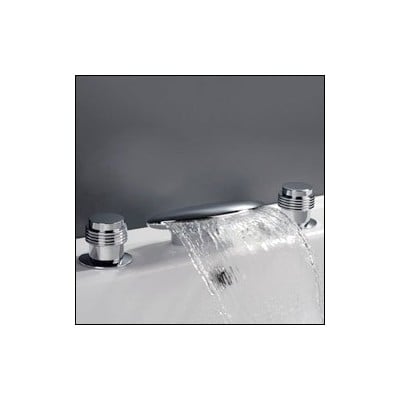
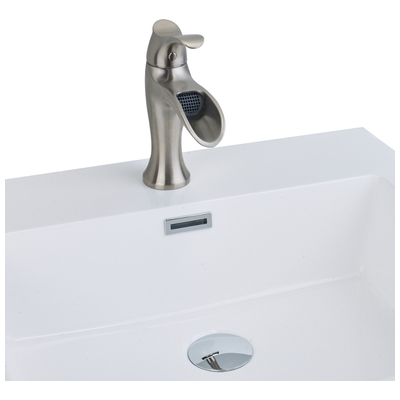
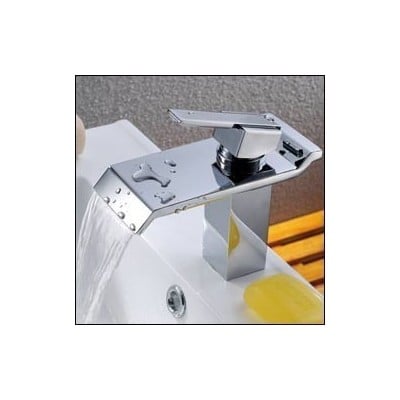
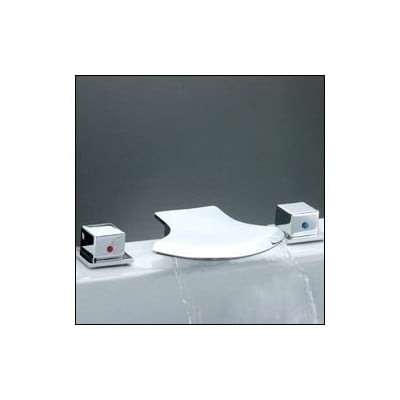
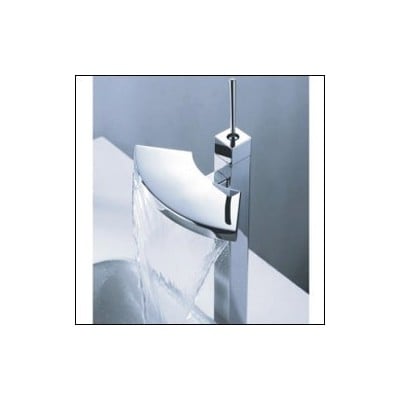
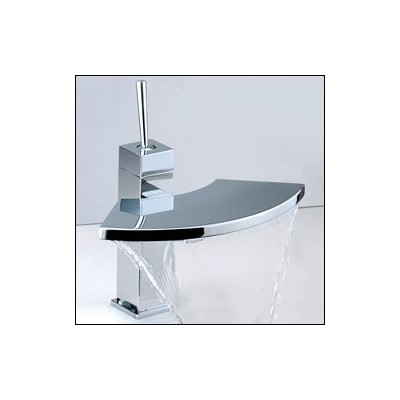
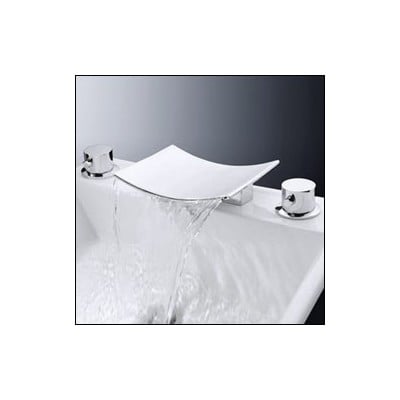
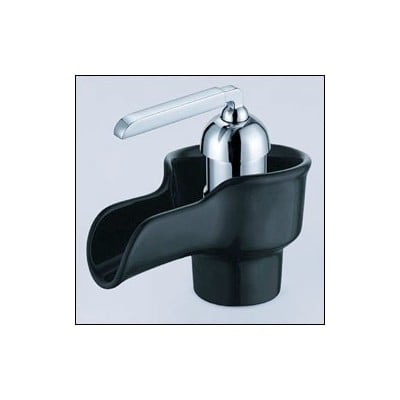
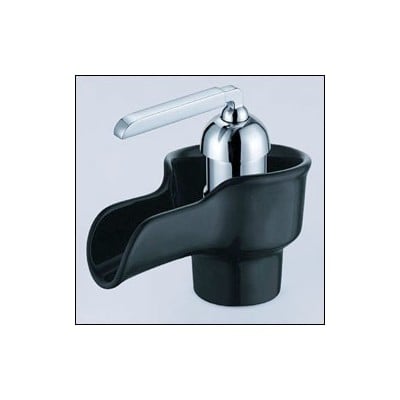
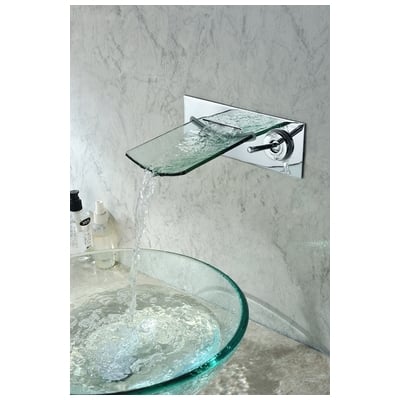
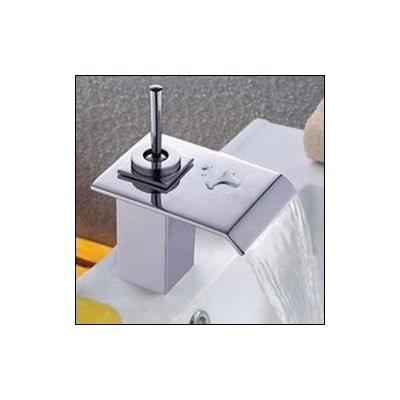
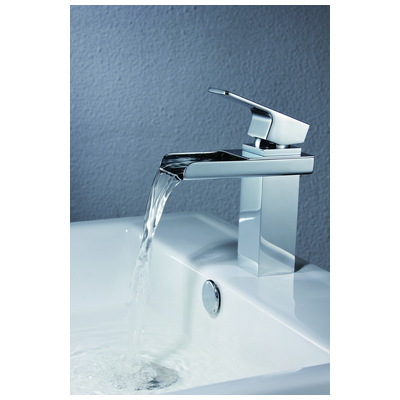
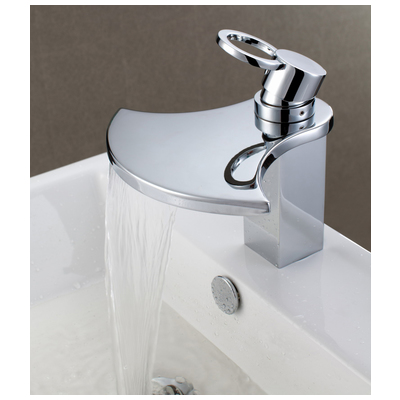
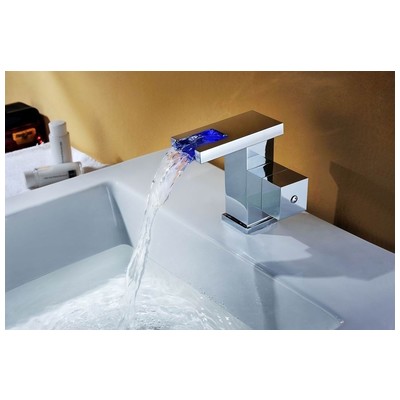
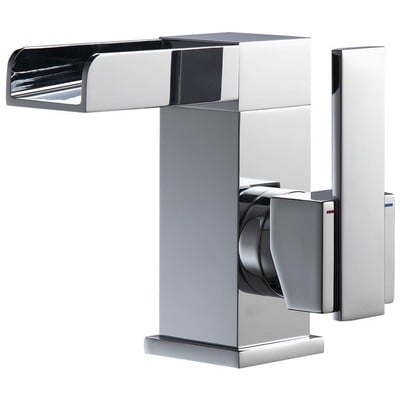
A waterfall faucet turns an everyday handwash into a small spa moment by sending water over an open, sheet-like spout instead of through an aerator. The visible cascade is the whole point of the design — it's why these faucets pair so well with vessel sinks, floating vanities, and minimalist powder rooms where the fixture is meant to be seen.
Because the stream is wider and shorter than a traditional aerated spout, waterfall designs need a bit more planning around basin depth and splash control. A bowl that's too shallow or a faucet mounted too high will scatter water onto the counter. Browse the full collection of bathroom faucets for comparison, or pair a waterfall spout with a vessel sink faucet setup for a coordinated above-counter look.
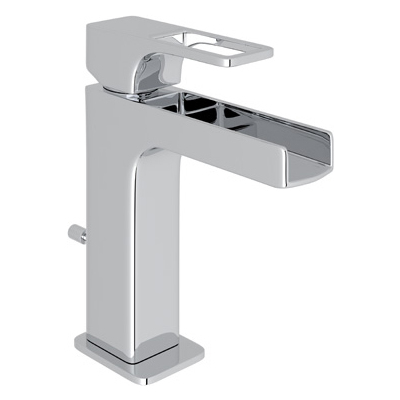
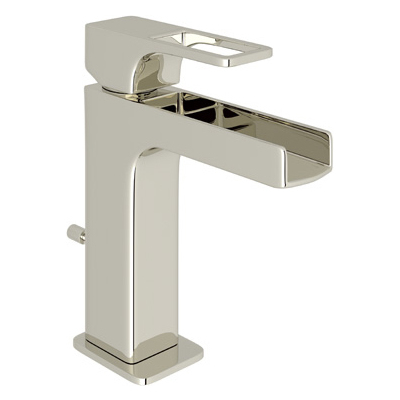
Filter by finish, handle count, and hole configuration to match your sink's pre-drilled spacing.
 FILTER BY













Frequently Asked Questions
Do waterfall faucets splash more than regular faucets?
Yes — because the spout is open and the stream is wider without an aerator, waterfall faucets splash more in shallow basins. Pair them with a sink at least 5-6 inches deep, and check the spout height: mounting a tall waterfall faucet over a low bowl is the most common cause of counter splashing. Vessel-style basins with high walls handle the cascade best.
How do I clean mineral buildup from a waterfall faucet spout?
Because the spout is open rather than capped by an aerator, hard water deposits are visible along the edge of the cascade channel. Wipe the spout daily with a soft cloth, and once a week soak a paper towel in white vinegar and lay it across the channel for 10-15 minutes. Avoid abrasive pads — they'll scratch the polished or coated edge that shapes the water sheet.
Are waterfall faucets WaterSense certified?
Some are, but not all. The open spout design can use more water than a standard aerated faucet if the flow isn't restricted. Look for models labeled 1.2 GPM or WaterSense certified if water efficiency is a priority. The product specs on each listing show the flow rate so you can compare before ordering.
What sinks work best with a waterfall faucet?
Vessel sinks and deep undermount basins are the best match because their height and depth contain the wider cascade. Avoid shallow drop-in sinks under 5 inches deep — the splash zone is too wide. If you're using a vessel, make sure the faucet is tall enough to clear the rim with comfortable hand clearance, typically 10-14 inches of total spout height.
Can a waterfall faucet replace my existing standard faucet?
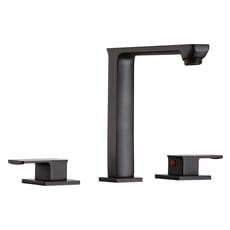
Usually yes, if the hole configuration matches. Waterfall designs come in single-hole, 4-inch centerset, and 8-inch widespread formats, so measure your sink's drilled spacing first. The bigger consideration is basin depth — a waterfall spout that worked visually in a showroom may splash in your existing shallow sink, so check spout height against your bowl depth before swapping.